
Philip Carteret (1733–1796), Royal Navy officer and circumnavigator
English Royal Navy officer Philip Carteret took part in mid‑18th century circumnavigations and exploratory voyages that contributed to European knowledge of the Pacific and naval hydrography.
Philip Carteret (22 January 1733 – 21 July 1796) was an English officer of the Royal Navy who took part in exploratory circumnavigations during the 1760s. Born in the early Georgian era, he is best known for sailing as a lieutenant on John Byron's circumnavigation in 1764 and for completing a second global voyage as part of Royal Navy exploratory activity beginning in 1766. These expeditions occurred in the same period of expanding European interest in Pacific navigation and charting.
Image gallery
1 Image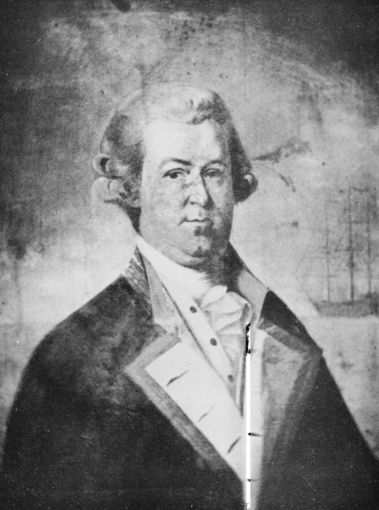
Voyages and naval service
Carteret served at a time when the Royal Navy combined practical seamanship with scientific observation. As a junior officer he joined a round‑the‑world cruise led by John Byron, which tested long‑distance navigation, provisioning, and contact with islands and ports far from Europe. A few years later he again circumnavigated the globe on a Royal Navy exploratory mission, contributing to the accumulation of navigational experience that naval commanders and hydrographers relied on.
Role and activities on expedition
Officers on these voyages carried multiple responsibilities: maintaining the ship, navigating using celestial methods, recording coastal bearings, and communicating with indigenous communities when contact occurred. The journals and logs kept by officers like Carteret provided material for later charts and accounts. Voyages of this era frequently faced hardships such as adverse weather, limited supplies, and disease, and officers had to balance discipline with pragmatic problem solving.
Contributions and historical context
While not as widely known as some later explorers, Carteret's participation added to the body of practical knowledge about long‑distance sailing and the geography of remote ocean regions. The information gathered on mid‑18th century circumnavigations fed into the Royal Navy's improving charts and informed subsequent voyages of exploration. For summaries of related naval service and the era's voyages see Royal Navy records and contemporary summaries such as expedition accounts.
- Born: 22 January 1733
- Died: 21 July 1796
- Noted for: participation in two mid‑18th century circumnavigations
Further reading and archival material about voyages of this period and officer biographies can be found in collections of naval logs and historical overviews covering Pacific exploration, educational resources on 18th‑century navigation and hydrography, and curated naval biographies held by maritime repositories. Carteret remains a figure of interest for scholars studying the practical challenges and outcomes of Britain's early scientific and exploratory seafaring.
Questions and answers
Q: Who is Philip Carteret?
A: Philip Carteret was an English officer in the Royal Navy.
Q: When was Philip Carteret born?
A: Philip Carteret was born on January 22, 1733.
Q: When did Philip Carteret sail on John Byron's circumnavigation?
A: Philip Carteret sailed on John Byron's circumnavigation in 1764 as a lieutenant.
Q: How many times did Philip Carteret sail around the world?
A: Philip Carteret sailed around the world twice - first in 1764 and then in 1766 as part of the Royal Navy's exploration.
Q: What was Philip Carteret's rank in the Royal Navy?
A: Philip Carteret was a lieutenant in the Royal Navy.
Q: What was the purpose of Royal Navy's exploration in 1766?
A: The purpose of Royal Navy's exploration in 1766 was for further exploration.
Q: When did Philip Carteret pass away?
A: Philip Carteret passed away on July 21, 1796.
Author
AlegsaOnline.com Philip Carteret (1733–1796), Royal Navy officer and circumnavigator Leandro Alegsa
URL: https://en.alegsaonline.com/art/128672