
Philippe I, Duke of Orléans (1640–1701)
Younger brother of Louis XIV, known as Monsieur; Duke of Orléans, courtier, military leader and patron. Husband of Henrietta Anne and Elisabeth Charlotte; ancestor of the modern House of Orléans.
Philippe of France (21 September 1640 – 9 June 1701) was the younger brother of King Louis XIV and a leading figure at the seventeenth‑century French court. As the sovereign's eldest surviving brother he bore the traditional honorific Monsieur and was formally created Duke of Orléans. His life combined service in war, active participation in court politics, and a conspicuous cultural role that shaped fashions and entertainments at Versailles and the Palais‑Royal.
Image gallery
10 Images


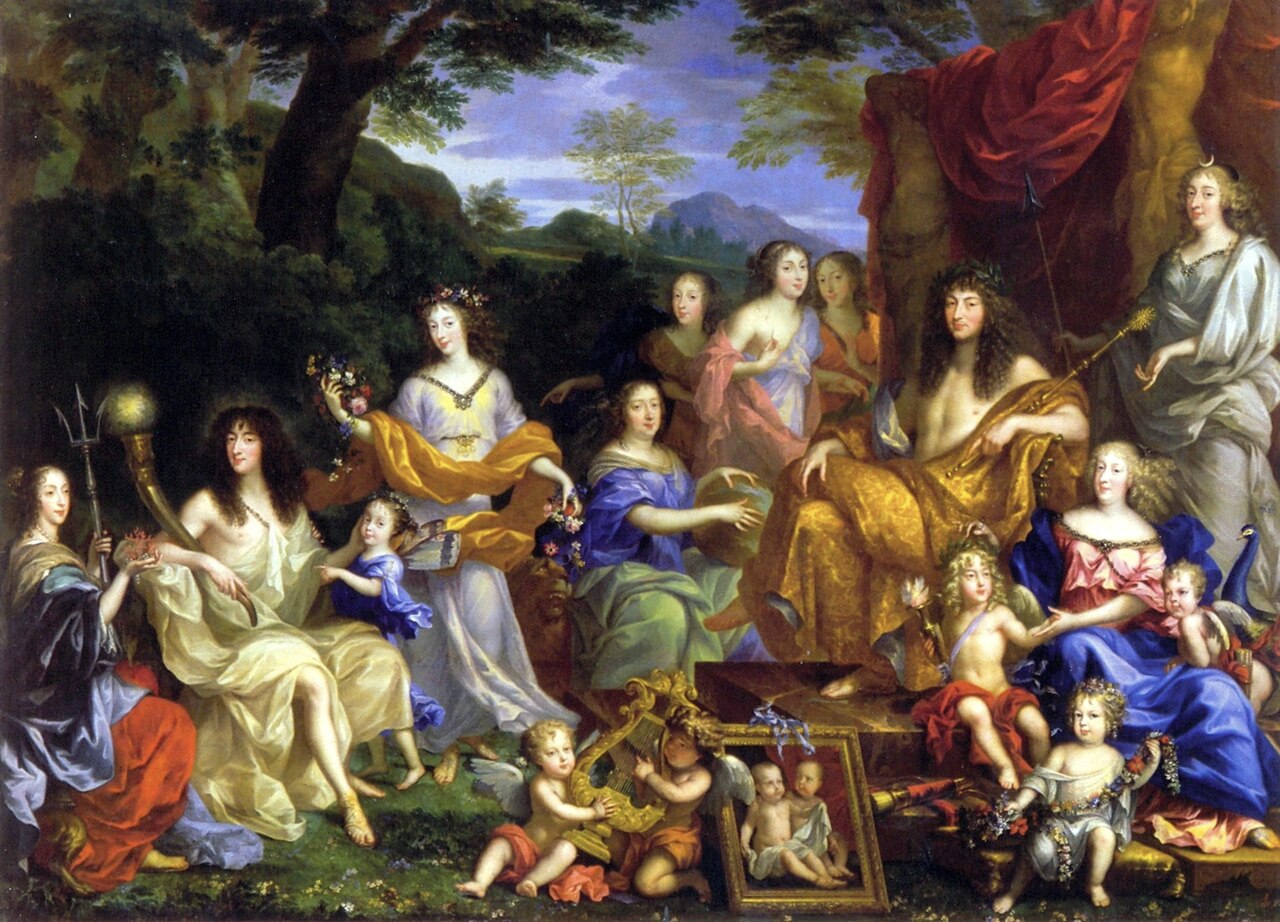


Family background and early life
Born to Louis XIII and Anne of Austria, Philippe grew up during the turbulent years of the Fronde and the consolidation of royal power under Cardinal Mazarin and, later, his brother the Sun King. His royal birth made him a Son of France with an important dynastic position: he ranked immediately after the king and headed the cadet branch that became the House of Orléans. Contemporary observers noted his charm and wit, qualities that helped him navigate the rivalries of court life.
Marriages and children
Philippe contracted two notable marriages. In 1661 he wed Henrietta Anne of England, youngest daughter of Charles I; she was a prominent figure at Versailles until her early death in 1670. In 1671 he married Elisabeth Charlotte of the Palatinate, known as Liselotte, whose voluminous letters are a major source for historians of the period. From these unions came children who continued the Orléans line, most famously Philippe II, Duke of Orléans, who later served as Regent for the young Louis XV.
Role at court, politics and military
Though frequently overshadowed by his elder brother's authority, Philippe exercised influence as a senior prince of the blood. He held military commands at times and participated in campaigns of the later seventeenth century, while also acting as a center of political patronage and familial networking. His relations with Louis XIV were often cordial but could be tense when court precedence or personal affairs intervened.
Cultural patronage and personal life
Philippe cultivated the arts and popularized court entertainments: music, dance, theatre and opera flourished under his patronage and taste. He kept a celebrated household at the Palais‑Royal and promoted ballet and theatrical productions. His private life attracted attention for its openness and the prominent position of several long‑term favourites, among them the Chevalier de Lorraine; such relationships have been widely discussed in both contemporary accounts and later studies.
Legacy and significance
The Duke of Orléans left an enduring dynastic and cultural legacy. The Orléans branch he headed became a major force in French politics and dynastic succession, eventually providing a king in the nineteenth century. His second wife Liselotte's letters furnish historians with rich detail about court manners, private quarrels and the social world that surrounded Louis XIV. For students of early modern France, Philippe represents the complexities of princely identity: part soldier, part courtier, part cultural patron and a figure whose household shaped tastes beyond the palace walls.
- Also known as: Monsieur
- Parents: Louis XIII and Anne of Austria
- Notable spouse: Henrietta Anne of England and Elisabeth Charlotte (Liselotte)
- Notable descendant: Philippe II, Duke of Orléans (the Regent)
Questions and answers
Q: Who was Philippe I, Duke of Orléans?
A: Philippe I, Duke of Orléans was the youngest son of Louis XIII of France and Anne of Austria.
Q: Who was his older brother?
A: His older brother was Louis XIV, also known as le roi soleil.
Q: What was Philippe I's title at his brother's court?
A: Philippe I was known as Monsieur at his brother's court.
Q: When was Philippe I born and when did he die?
A: Philippe I was born on September 21, 1640, and died on June 9, 1701.
Q: Who was Philippe I's mother?
A: Philippe I's mother was Anne of Austria.
Q: Who was Philippe I's father?
A: Philippe I's father was Louis XIII of France.
Q: What is Philippe I's full title?
A: Philippe I, Duke of Orléans, was also known as Philippe of France and Son of France.
Author
AlegsaOnline.com Philippe I, Duke of Orléans (1640–1701) Leandro Alegsa
URL: https://en.alegsaonline.com/art/128654