
Philippe Égalité (Philippe d'Orléans, 1747–1793)
Duke of Orléans who took the name Philippe Égalité during the French Revolution; a prince of the blood who supported reform yet was executed in 1793. His son would later become King of the French.
Overview
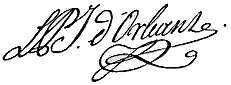
Louis Philippe Joseph d'Orléans (13 April 1747 – 6 November 1793) is commonly known by the republican name Philippe Égalité. A senior member of the cadet branch of the Bourbon dynasty, he held the ducal title and the rank of prince of the blood. Although born into the ancien régime, he adopted positions that aligned him with the reforming currents of his time and became associated with the upheavals of the French Revolution.
Image gallery
7 Images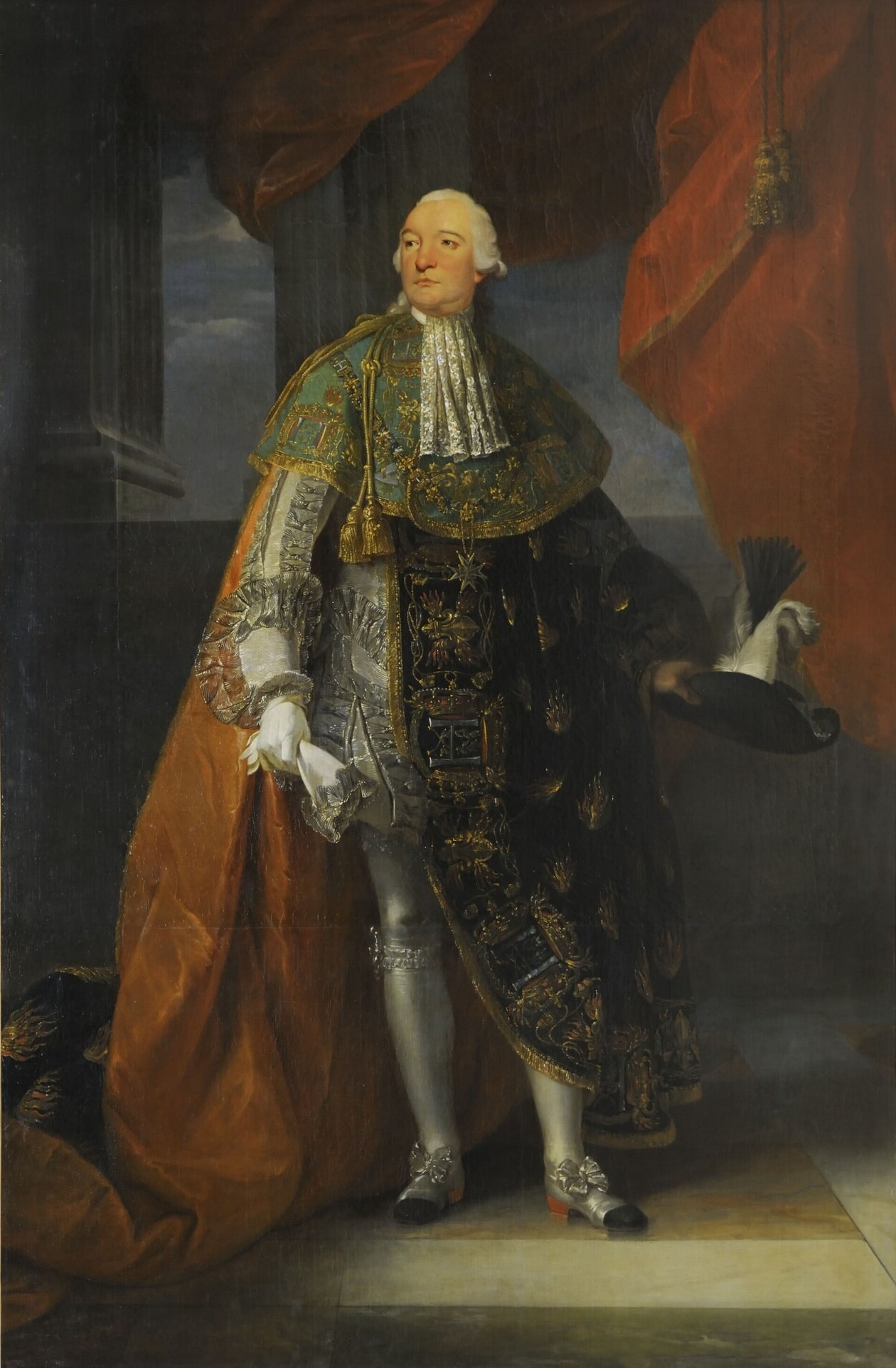


Background and position
As head of the House of Orléans, Philippe occupied a prominent place at court and in French aristocratic society. The Orléans branch combined great wealth with a degree of political independence from the main royal line; this standing helped shape his public role. He was a visible example of an aristocrat who publicly embraced measures that limited royal prerogatives and favored constitutional change. Genealogical and dynastic identity can be traced to the broader House of Orléans.
Role in the Revolution
During the revolutionary crisis he declared support for significant reforms and took the popular name Philippe Égalité to signal his identification with egalitarian ideas. He moved closer to revolutionary institutions and, when the trial of the king took place, he aligned with the faction that favored the sovereign's removal; contemporary records indicate he voted in the Convention for the execution of Louis XVI. His stance illustrates the complex alignments in which personal ambition, political principle and dynastic rivalry overlapped.
Arrest and execution
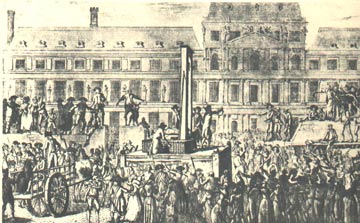
Despite his earlier support for revolutionary measures, Philippe's position became precarious as revolutionary politics radicalized. He was arrested, accused of conspiring with foreign powers and counter-revolutionary plotting, and was condemned during the wave of prosecutions in 1793. He was executed by the guillotine at the height of the Reign of Terror, a fate that underscored the Revolution's capacity to turn on its own supporters.
Legacy and family
Philippe's legacy is mixed: he is remembered both for his early reformist posture and for the irony of an aristocrat who embraced revolutionary change only to be consumed by it. His descendants remained politically active; notably his son became King of the French in 1830 after the July Revolution, a development that eventually restored an Orléans monarch to power under a constitutional framework.
Notable facts
- Adopted the popular name Philippe Égalité to signal support for equality and reform.
- Held the high rank of prince du sang while taking positions at odds with the senior Bourbon line.
- Executed in 1793 despite earlier cooperation with revolutionary authorities.
- His family line later produced a constitutional monarch during the restoration of a liberal monarchy in 1830.
Questions and answers
Q: Who was Philippe Égalité?
A: Philippe Égalité was the Duke of Orléans and a member of the House of Orléans who actively supported the French Revolution.
Q: What was Philippe Égalité's real name?
A: Philippe Égalité's real name was Louis Philippe Joseph.
Q: What did Philippe Égalité do during the French Revolution?
A: Philippe Égalité actively supported the French Revolution and adopted the name Philippe Égalité.
Q: When was Philippe Égalité guillotined?
A: Philippe Égalité was guillotined on November 6, 1793, during the Reign of Terror.
Q: Who became King of the French after the July Revolution of 1830?
A: Philippe Égalité's son, Louis Philippe, became King of the French after the July Revolution of 1830.
Q: What was Philippe Égalité's rank?
A: Philippe Égalité held the rank of prince of the blood.
Q: Why was Philippe Égalité guillotined?
A: Despite his support for the French Revolution, Philippe Égalité was guillotined during the Reign of Terror for allegedly conspiring against the government and plotting to become the ruler of France.
Author
AlegsaOnline.com Philippe Égalité (Philippe d'Orléans, 1747–1793) Leandro Alegsa
URL: https://en.alegsaonline.com/art/128647