
Peyton Manning
Comprehensive overview of Peyton Manning: career, style, records, teams, accolades, philanthropy and cultural presence. Covers college, NFL achievements with the Colts and Broncos, and post-retirement activity.
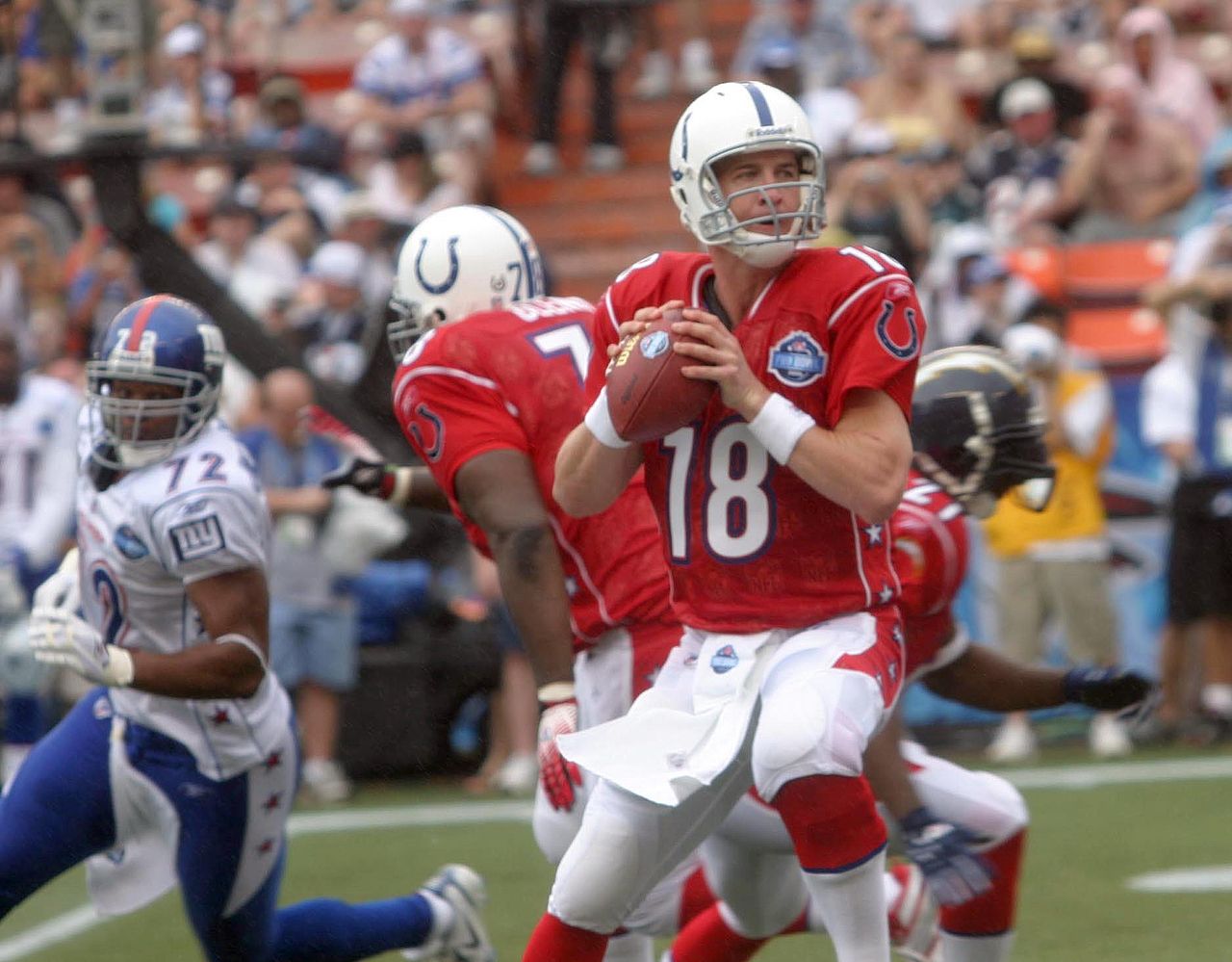
Peyton Williams Manning, born March 24, 1976, is a retired American football quarterback whose professional career and public profile made him one of the most prominent athletes of his era. He played collegiately at the University of Tennessee and spent eighteen seasons in the National Football League, fourteen with the Indianapolis Colts and four with the Denver Broncos. Known for meticulous game preparation, audible calls at the line of scrimmage, and a high football IQ, Manning combined statistical production with visible leadership on and off the field.
Image gallery
10 Images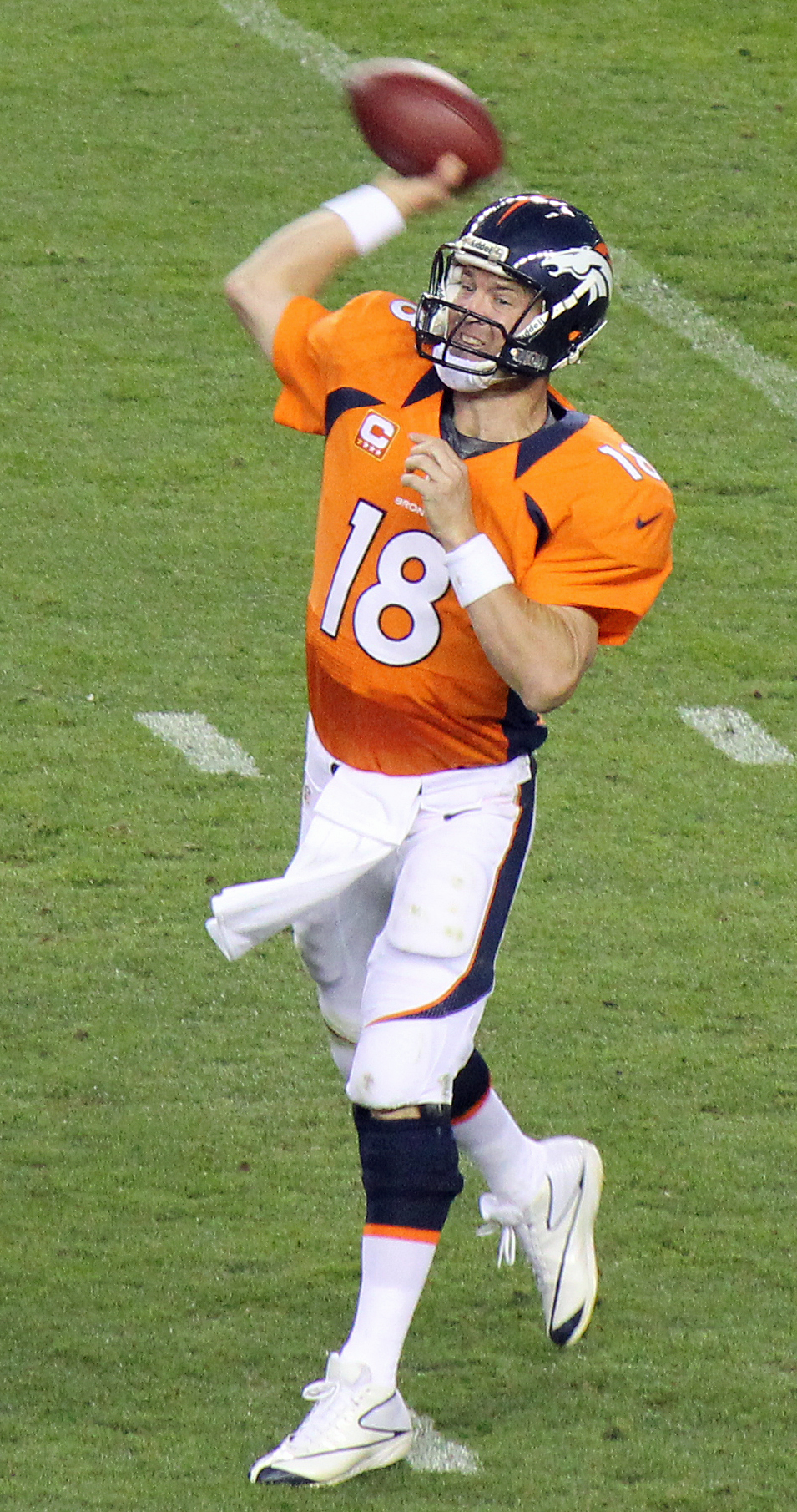


Career summary and achievements
Manning was the first overall pick in the 1998 NFL Draft and quickly became the face of a franchise. His on-field accomplishments include multiple league Most Valuable Player awards, a Super Bowl victory with the Colts in which he was named Most Valuable Player, and a second Super Bowl title later in his career with the Broncos. At the time he retired, Manning held many of the NFL's career passing marks and had established himself among the all-time leaders in passing yards and touchdown passes. He is widely regarded as one of the best quarterbacks in league history because of his longevity, consistency, and ability to elevate offensive performance.
Playing style and on-field traits
Manning's game was defined less by rushing mobility than by pre-snap control, quick reads and precision passing. He was famous for changing protections and routes at the line through audible calls—sometimes punctuated by hand signals, pointing and a seemingly endless string of assignments. Some of his audible calls entered popular culture; casual observers often cited examples such as “Omaha” as a shorthand for his pre-snap command of the offense. His approach emphasized studying opponents, adjusting plays to exploit matchups, and getting receivers into favorable positions.
Teams, milestones and notable moments
Selected first overall, Manning spent his early and middle career leading the Colts to consistent postseason contention and eventually a Super Bowl victory over the Chicago Bears on February 4, 2007. After an extended injury absence, he signed with the Denver Broncos, where he posted prolific seasons and capped his career with another championship. Manning is also one of the small group of quarterbacks who have recorded wins against every NFL franchise, a milestone shared with other elite contemporaries such as Brett Favre and Tom Brady.
Off-field influence, media and philanthropy
Beyond football, Manning became a recognizable public figure through endorsements and media appearances. He appeared in advertisements for national brands and in entertainment venues, including a hosting turn on Saturday Night Live. Manning’s charitable work includes significant donations and the establishment of the PeyBack Foundation, which supports youth programs and community initiatives; his giving and public service have been a consistent part of his legacy and outreach to charities. He also lent his image to video-game covers and commercial partnerships with companies such as Papa Johns and others tied to mainstream platforms, including gaming systems like Xbox.
Background and family
Peyton comes from a football family: his father, Archie, played quarterback in the professional ranks, and his younger brother, Eli Manning, also won multiple Super Bowls as a starter for the New York Giants. Peyton’s lineage and early exposure to the sport helped shape his understanding of the game and competitive drive. Early in his career Manning was selected over other notable prospects such as Ryan Leaf, a draft-day decision that proved consequential for both franchises involved.
Legacy and retirement
Manning announced his retirement from professional play in March 2016 and has since remained involved with football and media projects while expanding philanthropic and commercial interests. His reputation rests on a combination of statistical excellence, strategic command of offenses, and cultural visibility; his career influenced how quarterbacks prepare and manage games at the professional level. For further details about specific seasons, records, and honors, consult major sports archives and biographical resources maintained by league and team organizations.
For more information, see historical summaries and profiles from primary sports resources: birth date, birth year, sport, position, college, league, Colts, Broncos, draft rival, Giants, Eli, gaming, television, philanthropy, Super Bowl date, Super Bowl year, opponent, game MVP, Favre, Brady.
Questions and answers
Q: What year did Peyton Manning join the NFL?
A: Peyton Manning joined the NFL in 1998.
Q: Who was drafted ahead of Ryan Leaf in 1998?
A: In 1998, Peyton Manning was drafted ahead of Ryan Leaf.
Q: What is the name of Peyton Manning's charitable group?
A: The name of Peyton Manning's charitable group is called the Peyback Foundation.
Q: How many seasons did he play for the Indianapolis Colts?
A: Peyton Manning played for 14 seasons with the Indianapolis Colts.
Q: Who are his father and brother?
A: His father is former NFL quarterback Archie Manning and his brother is former New York Giants quarterback Eli Manning.
Q: What team did he sign with after being released by the Colts?
A: After being released by the Colts, Peyton signed with the Denver Broncos.
Q: On what date did he announce his retirement from professional football?
A: On March 7, 2016, Peyton announced that he was retiring from professional football.
Author
AlegsaOnline.com Peyton Manning Leandro Alegsa
URL: https://en.alegsaonline.com/art/128637