
Pete Townshend — guitarist, songwriter and founder of The Who
Pete Townshend (born 1945) is an English rock musician, principal songwriter and creative force behind The Who, noted for rock operas, stage theatrics, multi-instrumentalism and influence on modern rock.
Overview
Peter Dennis Blandford "Pete" Townshend (born 19 May 1945) is an English rock musician, songwriter and author best known as the founder and principal creative force behind the band The Who. He has been the group’s chief composer, a distinctive performer on stage and a driving presence in studio work that expanded the ambitions of popular music in the late 20th century.
Image gallery
9 Images
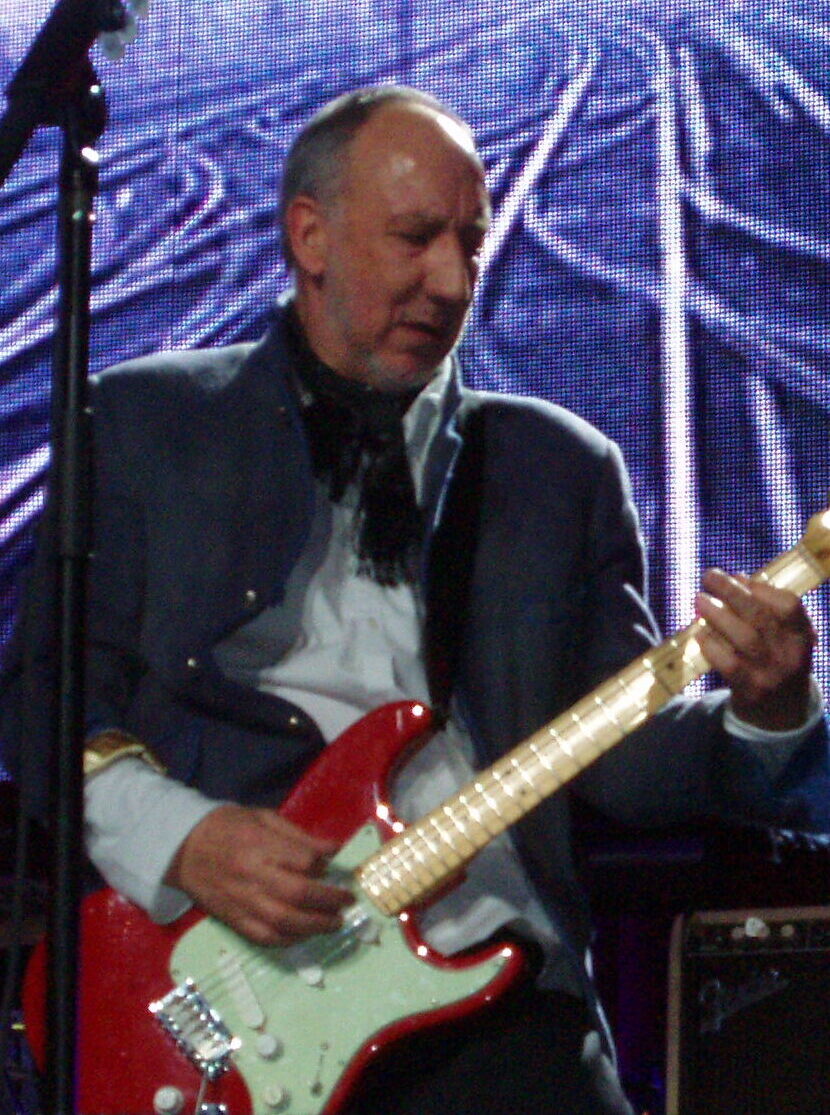


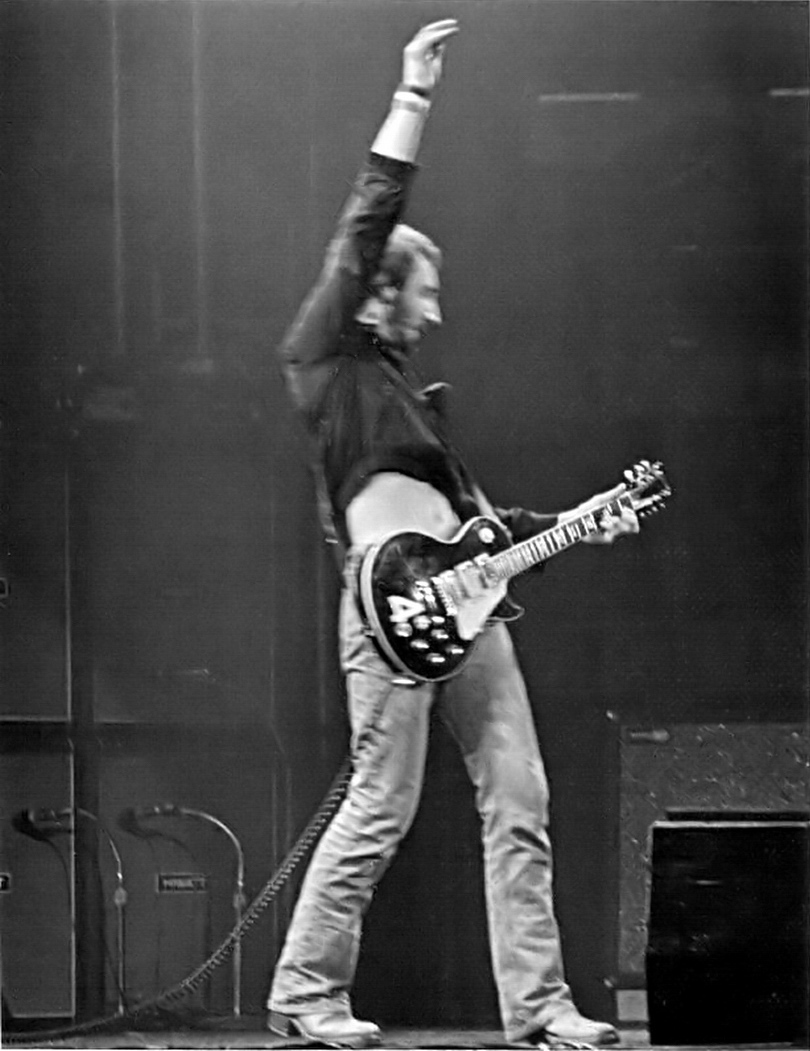


Early life and education
Townshend grew up in London and in 1961 enrolled to study graphic design at Ealing Art College. The college environment connected him with fellow students who later became notable figures in rock music; contemporaries included future Rolling Stones guitarist Ronnie Wood and, for a time, the young Freddie Mercury of Queen. Townshend’s art training influenced his interest in album cover design and theatrical presentation.
Role in The Who and major works
As The Who’s principal songwriter, Townshend wrote the material for the band’s most ambitious projects, including the rock operas Tommy and Quadrophenia, and contributed many songs found on classic albums such as Who’s Next. His work combined melodic songwriting with extended thematic structures, recurring motifs and narrative elements that helped popularize the idea of the rock album as a cohesive artistic statement.
Stagecraft and performance
Townshend’s onstage persona included energetic movement, a characteristic “windmill” guitar stroke and, in the band’s early years, public acts of instrument destruction that became part of The Who’s mythos. These theatrical behaviors complemented the band’s loud, dynamic sound and reinforced the connection between visual spectacle and rock performance.
Instruments and technical innovations
Although principally known as a guitarist, Townshend is a capable multi-instrumentalist and has used keyboards and early synthesizer technology to shape songs and textures. He helped bring synthesizers into mainstream rock arrangements—most famously integrating ARP and related synth sounds into recordings to produce sustained patterns and novel timbres. Townshend has also recorded and performed on other instruments and is known for experimenting with feedback, power-chord voicings and rhythmic sequencing.
- Guitar — primary instrument, source of signature riffs and techniques
- Banjo — occasional studio color
- Accordion — used selectively on recordings
- Bass guitar — demonstrated competence in arranging low-end parts
- Drums — basic proficiency and rhythmic understanding
Solo work, writing and other activities
Outside The Who, Townshend released solo albums and collaborated with other artists. He has written widely for newspapers and magazines and has published essays and books that reflect on music, faith and creativity. His writing includes commentary on the creative process and on the cultural contexts that shaped rock music during his career.
Honors, rankings and influence
Townshend has been recognized in critics’ and peers’ listings of influential guitarists and songwriters. He was placed highly in several such lists and is frequently cited in histories of British rock as a central figure in developing album-length composition and in bringing theatrical ideas into rock performance. His songs remain staples of classic-rock radio and continuing stage productions of band projects have kept his major works in public circulation.
Further reading and resources
Biographical entries, band histories and monographs provide detailed coverage of Townshend’s life and work. For accessible introductions and curated materials consult: biographical summaries, band histories, and feature articles that examine specific albums and tours. Institutional archives and music libraries also maintain documented interviews and primary sources about Townshend’s career.
For context on his education and early associates, see materials relating to Ealing Art College and its alumni; for discussions of his songwriting craft consult interviews and essays archived by major music publications and anthologies. Additional useful starting points include profiles that address his work with synthesizers and studio production techniques (studio work) and pieces that explore his influence on subsequent generations of guitarists (influence).
Questions and answers
Q: Who is Pete Townshend?
A: Pete Townshend is an English rock musician, songwriter and author, best known as the founder of the band The Who.
Q: What did Pete Townshend study at Ealing Art College?
A: Pete Townshend studied graphic design at Ealing Art College.
Q: Who were some of Townshend's classmates at Ealing Art College?
A: Townshend studied with future Rolling Stones guitarist Ronnie Wood and future Queen singer Freddie Mercury.
Q: What is Pete Townshend's role in The Who?
A: Pete Townshend is the primary songwriter for The Who and has written over one hundred songs for the band's eleven studio albums.
Q: What are some of The Who's popular albums and songs?
A: The Who's popular albums include the rock operas "Tommy" and "Quadrophenia" and the popular rock radio staple "Who's Next."
Q: What other instruments besides guitar does Pete Townshend play?
A: Pete Townshend is also an accomplished singer and keyboard player and has played many other instruments including: banjo, accordion, bass guitar and drums.
Q: What are some of Pete Townshend's other accomplishments besides music?
A: Pete Townshend has also written many newspaper and magazine articles, books, book reviews, essays and scripts.
Author
AlegsaOnline.com Pete Townshend — guitarist, songwriter and founder of The Who Leandro Alegsa
URL: https://en.alegsaonline.com/art/128619