
Pete Conrad: Naval Aviator, Test Pilot, and Apollo 12 Commander
Charles 'Pete' Conrad Jr. (1930–1999) was a U.S. naval aviator, test pilot and NASA astronaut. Commander of Apollo 12, he became the third person to walk on the Moon and later led Skylab’s first crewed mission.
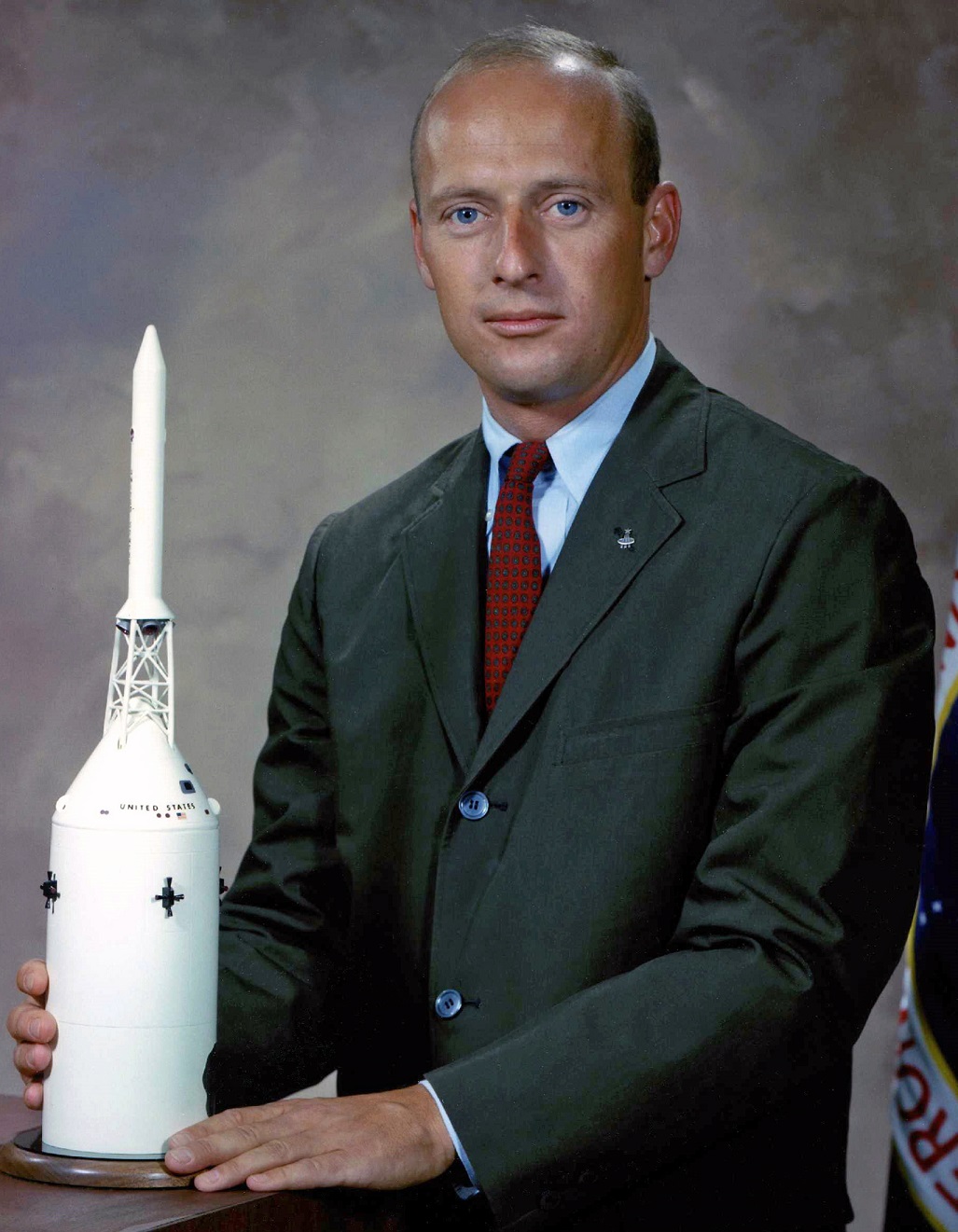
Charles “Pete” Conrad Jr. (June 2, 1930 – July 8, 1999) was an American naval officer, aeronautical engineer, and NASA astronaut known for his quick wit and leadership on several pioneering spaceflights. He trained as a test pilot and served as a naval aviator before joining NASA’s second group of astronauts. Conrad commanded missions in NASA’s Gemini, Apollo and Skylab programs and was the third person to set foot on the Moon.
Image gallery
10 Images






Early life and professional background
Conrad studied aeronautical engineering at a university and entered naval aviation, where he developed experience in flight testing and carrier operations. His professional path combined operational flying and technical training; he later attended formal test pilot instruction and performed experimental flight work. This background prepared him for selection to NASA’s astronaut corps in the early 1960s as part of a cohort commonly referred to as the "New Nine." During his pre‑NASA years he gained the skills that would be essential for spacecraft piloting and mission leadership.
Major spaceflights and accomplishments
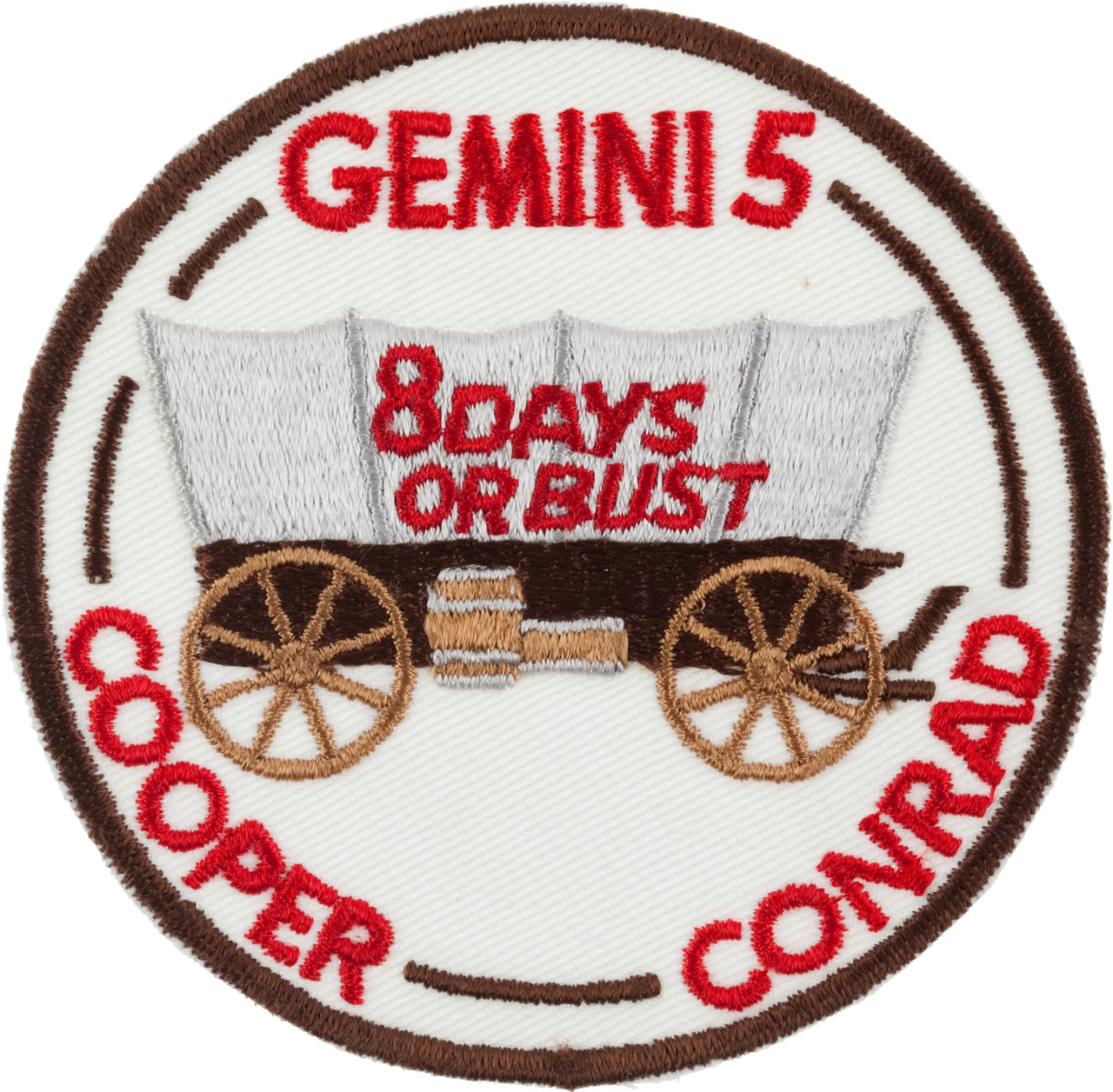
Conrad flew four crewed missions for NASA. He first reached orbit as pilot of Gemini 5, a long-duration flight that tested techniques for extended time in space. He returned as commander of Gemini 11, which carried out high‑altitude rendezvous and docking experiments. As commander of Apollo 12, Conrad led the second crewed lunar landing; he and his crewmate conducted surface exploration, sampled lunar material, and deployed scientific instruments. Later he commanded Skylab 2, the first crewed mission to the United States’ Skylab space station, which focused on station repair and life‑support studies.
- Gemini 5 — long‑duration endurance and systems tests (1965)
- Gemini 11 — rendezvous and propulsion experiments (1966)
- Apollo 12 — lunar landing; Conrad became the third person to walk on the Moon (1969)
- Skylab 2 — first crewed Skylab mission; station activation and repairs (1973)
Style, reputation and significance
Conrad was respected for his technical competence, calm command presence, and a sense of humor that was evident even on historic occasions. His lunar arrival is remembered for a lighthearted remark about the small size of the landing compared with the achievement of a crewed Moonwalk. Beyond the individual missions, his work helped validate long‑duration spaceflight techniques, orbital rendezvous methods, and on‑orbit station operations that informed later programs.
Later life and legacy
After leaving active flight status he remained involved with aerospace through leadership roles in industry and public outreach. Conrad received numerous honors for his service and contributions to human spaceflight. He died in a motorcycle accident in Ojai, California, on July 8, 1999. His career illustrates the transition from military test flying to routine human operations in Earth orbit and on the lunar surface.
Quick facts and related topics
- Full name: Charles "Pete" Conrad Jr.; a naval officer and aeronautical engineer who became an astronaut — see biographical notes.
- Part of NASA’s second astronaut group, with assignments across Project Gemini, Apollo and Skylab programs.
- Members of his crews included fellow astronauts such as Alan Bean and Richard F. Gordon on lunar and command modules; mission details are available in mission summaries like Apollo 12 archives.
- Conrad’s flights contributed to techniques for orbit rendezvous, extra‑vehicular activity, and space station operations — topics explored in technical histories.
- For contemporary references and primary material consult curated collections and oral histories indexed at sources such as archival centers and astronaut project pages like official mission profiles.
Questions and answers
Q: Who was Charles "Pete" Conrad, Jr.?
A: Charles "Pete" Conrad, Jr. was an American test pilot, aeronautical engineer, and astronaut.
Q: What was Conrad's third spaceflight?
A: Conrad's third spaceflight was as spacecraft commander (person in charge) of Apollo 12.
Q: When did Conrad fly into space as pilot of Gemini 5?
A: Conrad flew into space as pilot of Gemini 5 on August 21, 1965.
Q: How many spaceflights did Conrad make in total?
A: Conrad made four spaceflights in total.
Q: What was Conrad's significance in the Apollo program?
A: Conrad became the third man to walk on the Moon during the Apollo 12 flight.
Q: How did Conrad die?
A: Conrad died in a motorcycle crash in Ojai, California on July 8, 1999.
Q: When was Conrad's first spaceflight?
A: Conrad's first spaceflight was on August 21, 1965, as pilot of the Gemini 5 mission.
Author
AlegsaOnline.com Pete Conrad: Naval Aviator, Test Pilot, and Apollo 12 Commander Leandro Alegsa
URL: https://en.alegsaonline.com/art/128600