
Peter Zumthor: Swiss architect known for material, atmosphere, and craft
Peter Zumthor (born 1943) is a Swiss architect celebrated for sensory, craft-driven buildings such as Therme Vals and Kolumba; recipient of the 2009 Pritzker Prize.
Overview
Peter Zumthor (born 26 April 1943) is a Swiss architect whose work is widely admired for its restrained forms, careful materials and strong emphasis on atmosphere. He received the Pritzker Architecture Prize in 2009, an acknowledgment of a body of work that favors concentrated, often small-scale projects over high-profile expansion.
Image gallery
7 Images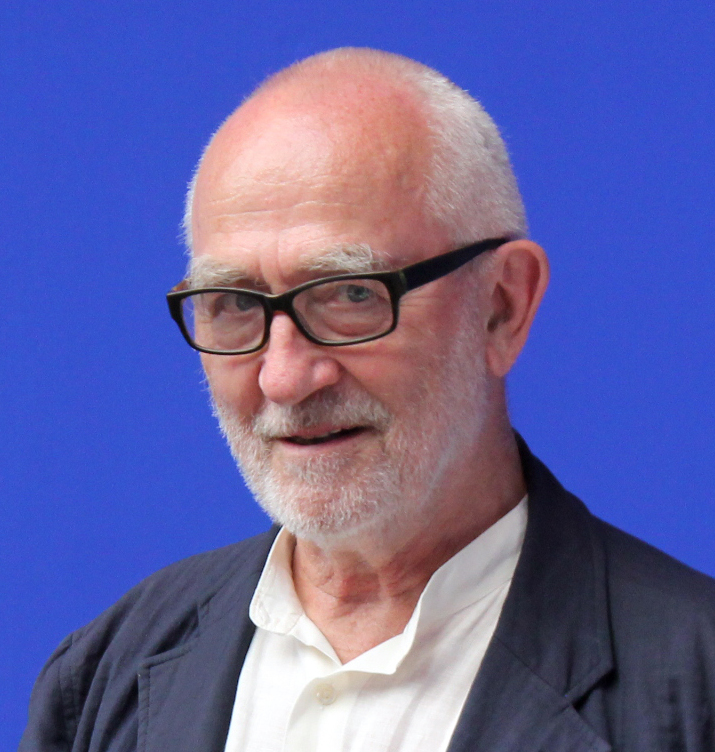


Design approach and characteristics
Zumthor’s buildings are noted for tactile surfaces, meticulous detailing and a sensory approach to space. Light, sound, temperature and materiality are treated as primary design tools. He prefers simple geometries and heavy, enduring materials—stone, concrete, wood and metal—assembled in ways that foreground craftsmanship and the lived experience of a place.
Background and development
Originally trained as a cabinetmaker, Zumthor later studied design and architecture in Switzerland and worked in various offices before opening his own practice. His experience with craft profoundly shaped his architectural thinking: he emphasizes the process of making, collaboration with skilled builders and an attention to how buildings are perceived over time.
Notable works
- Therme Vals, Switzerland – a bath complex known for its austere stone vaults and quiet interiors.
- Kunsthaus Bregenz, Austria – a museum noted for its precise light control and material clarity.
- Kolumba, Cologne – a museum that blends archaeology, history and contemporary space within a layered architectural gesture.
- Bruder Klaus Field Chapel and Steilneset Memorial – smaller, contemplative projects illustrating his interest in ritual and memory.
Importance and legacy
Zumthor’s influence is less about stylistic imitation and more about an attitude toward making architecture: slow, sensory and rooted in place. His projects are often used as case studies in architectural education and criticism for how they balance modern construction with artisanal craft. While he has completed a modest number of works compared with some contemporaries, those works are frequently cited for their intensity and integrity.
Distinctions and notable facts
In addition to the Pritzker Prize, Zumthor’s career is marked by a consistent refusal of spectacle and a commitment to the experiential qualities of buildings. His practice remains relatively small and selective, and his completed projects are dispersed across Switzerland and parts of Europe, each demonstrating a careful dialogue between context, material and human scale.
Author
AlegsaOnline.com Peter Zumthor: Swiss architect known for material, atmosphere, and craft Leandro Alegsa
URL: https://en.alegsaonline.com/art/128595