
Peter Pears
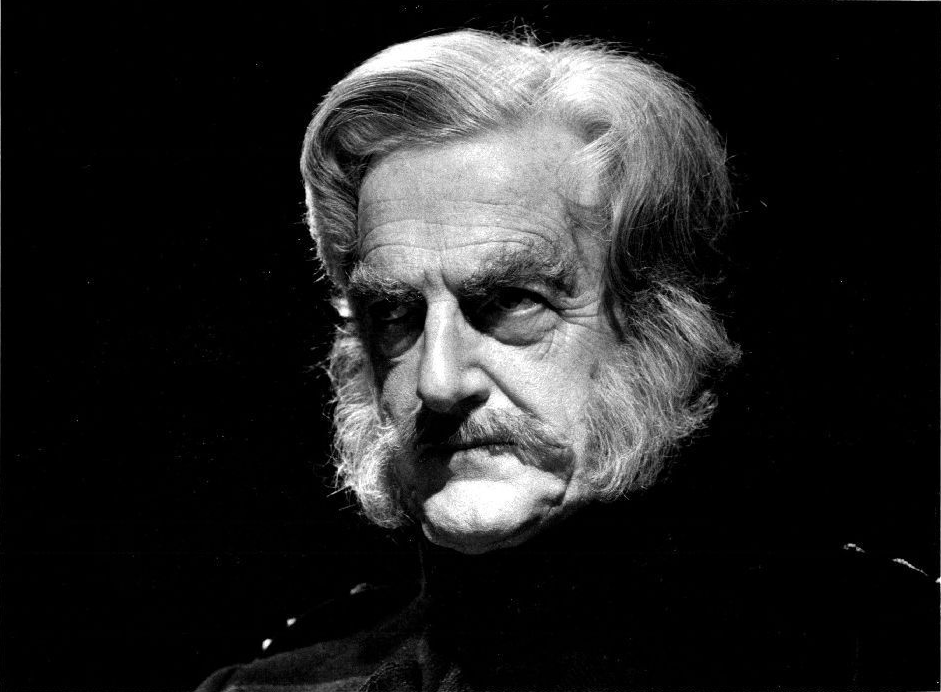
English tenor Peter Pears (1910–1986), celebrated interpreter of Benjamin Britten's works, co-founder of the Aldeburgh Festival and central figure in 20th-century British vocal music.
Overview
Peter Pears (22 June 1910 – 3 April 1986) was an English tenor whose clear, agile voice and distinctive diction made him one of the leading British singers of the 20th century. He combined a refined musicality with strong dramatic instincts and became especially associated with contemporary English song and opera.
Image gallery
3 Images

Voice, style and repertoire
Pears's voice was noted for its bright timbre, precise enunciation and ability to shape long phrases with expressive nuance. He sang a wide range of music from early English song and Baroque works to modern Lieder and recital repertoire. His interpretive strengths included intimate art song, oratorio and roles that demanded clarity of text as much as vocal power.
Career and premieres
Across a lengthy career Pears became the premier interpreter of many new English works. He created leading parts in operas and premiered songs written with his voice in mind. He built an international performance and recording profile through concert tours, festival appearances and studio work, helping to shape how contemporary British music was heard.
Partnership with Benjamin Britten
Pears was the life-long personal and professional partner of the composer Benjamin Britten. Their collaboration defined much of both men's artistic output: Britten wrote numerous roles and vocal works specifically for Pears, and the two worked closely on staging, performance practice and the development of new repertoire.
Founding Aldeburgh and legacy
Together with Britten and others, Pears helped establish the Aldeburgh Festival, a significant centre for music and education that promoted new works and young artists. He received national honours in recognition of his service to music and left a lasting influence through recordings, teachings and institutions dedicated to performance and study.
Notable facts
- Renowned for creating and championing contemporary English roles and songs.
- His partnership with Britten combined domestic life with a close musical collaboration.
- Legacy maintained through festivals, schools and a substantial recorded legacy.
Questions and answers
Q: Who was Sir Peter Neville Luard Pears?
A: Sir Peter Neville Luard Pears was an English tenor and life-long partner of the composer Benjamin Britten.
Q: When was he born?
A: He was born on 22 June 1910.
Q: What title did he hold?
A: He held the title of CBE (Commander of the Most Excellent Order of the British Empire).
Q: What is his most notable achievement?
A: His most notable achievement is being the life-long partner of Benjamin Britten, a renowned composer.
Q: When did he die?
A: He died on 3 April 1986.
Q: How do you pronounce his name?
A: His name is pronounced as "PEERZ".
Author
AlegsaOnline.com Peter Pears Leandro Alegsa
URL: https://en.alegsaonline.com/art/128553