
Peter Lalor: Leader of the Eureka miners and Victorian politician
Irish-born leader of the 1854 Eureka Stockade in Ballarat who later served in colonial Victoria's parliament; a complex figure in Australia's democratic history.
Peter Lalor (5 February 1827 – 9 February 1889) was an Irish-born miner and politician best known for leading the miners at the 1854 Eureka Stockade, an armed protest often regarded as a milestone in the development of Australian representative government. The episode is commonly described as a rebellion rebellion and is widely cited in narratives about democracy democracy in Australia.
Image gallery
6 Images


Early life and migration
Born at Tenakill in Queen's County (now County Laois), Ireland, Lalor came from a family involved in Irish public affairs and national politics. His father, Patrick Lalor, served as a member in the House of Commons. Peter received his education in Dublin and trained as a civil engineer before deciding to emigrate. Like many contemporaries seeking fortune and escape from social unrest, he sailed to colonial Victoria in the early 1850s and worked briefly on infrastructure projects such as the railway linking Melbourne and Geelong.
Goldfields and the Eureka uprising
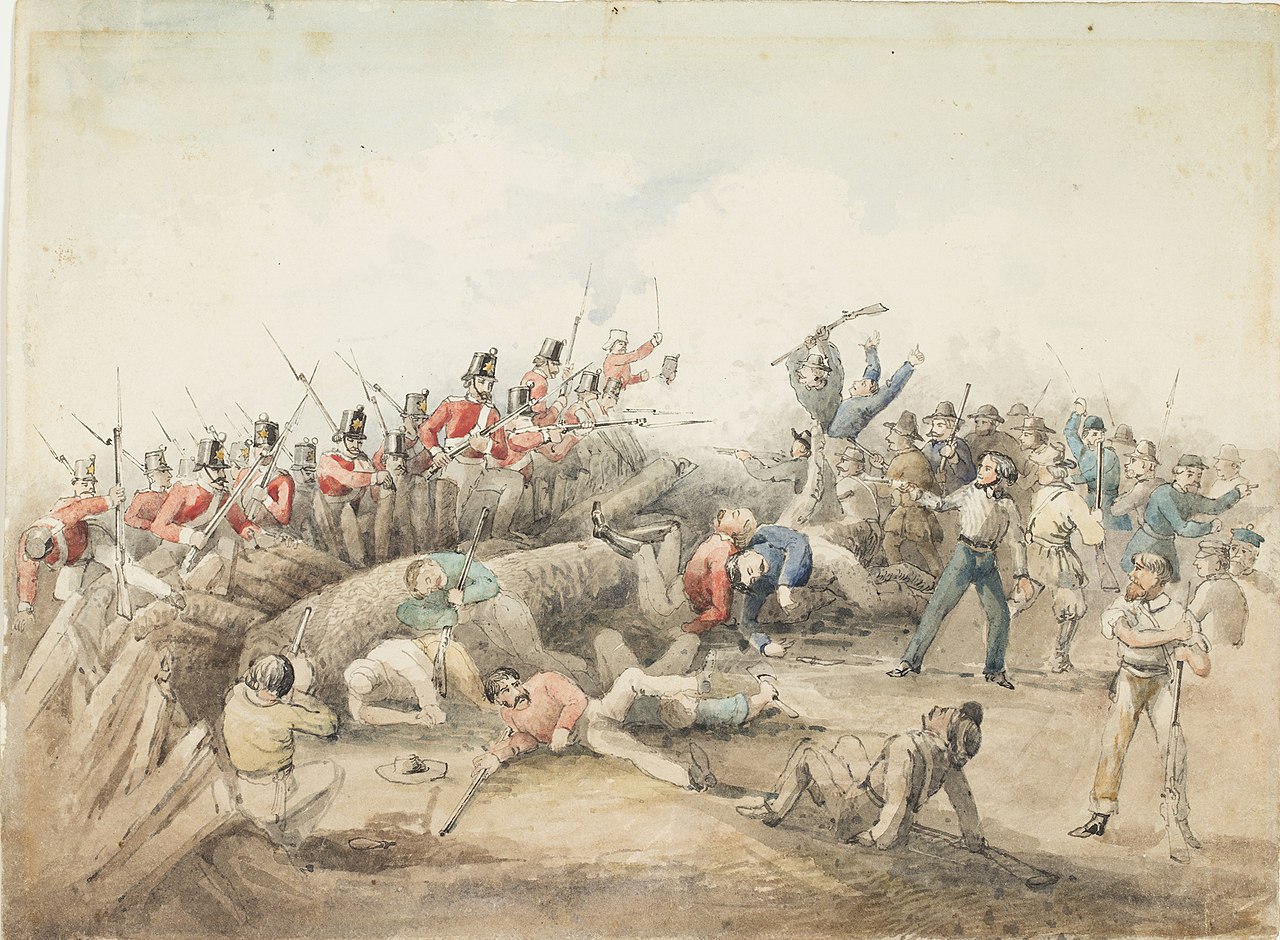
Drawn to the goldfields, Lalor moved to the Ballarat region at a time when many miners — including large numbers from Ireland — had congregated around rich leads. He camped on what was known as the Eureka Lead near Ballarat and became active in miners' meetings protesting licensing fees, policing methods and lack of political representation. In late 1854 he emerged as a leader during the confrontation at the stockade. The clash left Lalor severely wounded; he was shot and suffered the loss of an arm. The immediate legal aftermath eventually produced public debate and political concessions, and several of the miners' grievances were addressed after broad public scrutiny.
Political career and later life
After the events at Ballarat, Lalor transitioned into formal politics. He stood for colonial parliament and served as a representative in the Victorian legislature, holding multiple seats over his career and later occupying the parliamentary office of Speaker. His evolution from rebel leader to parliamentarian is often highlighted in histories of Victoria's institutions. Some contemporaries and later commentators noted that his political views became more conservative over time, a shift that surprised many of his former supporters.
Significance and legacy
The Eureka episode and Lalor's role have been interpreted in different ways: as a radical insurrection, as a defence of miners' rights, and as a catalyst for reform. The Eureka Flag flown at the stockade has become a powerful symbol in Australian political and cultural memory, evoked by groups across the political spectrum. Lalor himself remains a contested figure — celebrated by some as a founder of parliamentary democracy in the colonies, criticised by others for his later conservatism.
Key points
- Born in Ireland and trained as a civil engineer; emigrated to Victoria.
- Worked on the railway before seeking gold on the Victorian fields.
- Led miners at the Eureka Stockade near Ballarat and was seriously wounded.
- Later served in the colonial parliament and held senior parliamentary office, becoming an established politician.
- His life illustrates tensions between protest movements and institutional politics in 19th-century Australia.
For readers who want to explore primary documents and histories, many collections and summaries exist that discuss the setting of the Ballarat goldfields, the miners' grievances, and the political reforms that followed. Further context about Ireland's political climate at the time can be found through studies of Irish public life and emigration, while regional histories cover the development of Melbourne, Geelong and the infrastructure projects Lalor initially worked on. Contemporary discussions of Eureka often return to questions of representation, civil liberties and the meanings assigned to protest symbols in public life.
Research into Lalor's biography also touches on family links: his brother returned to Ireland and later entered national parliament, underlining the transnational currents that connected Britain, Ireland and the Australian colonies during the mid-19th century. Histories that treat the events at Ballarat in detail typically combine eyewitness accounts, trial records and later political reportage to trace how a local conflict became a defining moment in Victoria's path toward wider suffrage and institutional reform. For curated overviews and archival holdings, see specialist collections and interpretive sites focusing on the Eureka story and Victorian colonial politics.
Questions and answers
Q: When was Peter Lalor born?
A: Peter Lalor was born on February 5, 1827.
Q: What did his father do?
A: His father Patrick represented Queens County in the House of Commons.
Q: Where did Peter and his brother go in 1852?
A: In 1852, Peter and his brother left Ireland for Victoria, Australia.
Q: What type of work did they do upon arriving in Australia?
A: Upon arriving in Australia, they worked on building the railway between Melbourne and Geelong.
Q: Where did Peter go to look for gold in 1853?
A: In 1853, Peter went to the Ovens River looking for gold.
Q: What business did he set up in Melbourne?
A: He set up a business selling wine and tobacco in Melbourne.
Q: Where did he decide to look for gold in 1854?
A:In 1854, he decided to go to Ballarat to look for gold.
Author
AlegsaOnline.com Peter Lalor: Leader of the Eureka miners and Victorian politician Leandro Alegsa
URL: https://en.alegsaonline.com/art/128521