
Peter Fonda
American actor and cultural figure, best known for Easy Rider and influential roles in counterculture cinema; a son of Henry Fonda and nominee for an Academy Award for Ulee's Gold.
Peter Fonda (February 23, 1940 – August 16, 2019) was an American actor and film personality whose career spanned five decades. He became a prominent face of 1960s and 1970s counterculture cinema, often associated with motorcycle imagery and independent filmmaking. Born into a theatrical family, his work ranged from low-budget cult pictures to acclaimed dramatic performances.
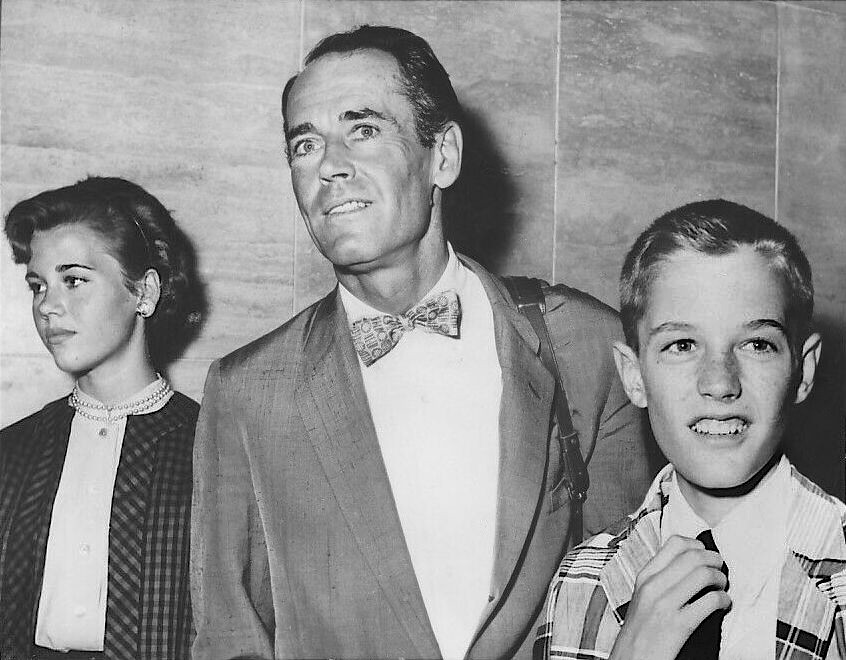
Fonda was born in New York City, the son of actor Henry Fonda and the younger brother of actress Jane Fonda. He began acting in the 1960s on stage, television and in small film roles before rising to wider attention. His early screen persona combined a laconic presence with an emblematic cool that filmmakers of the era frequently tapped.
He achieved international recognition with a string of low-budget features and collaborations. Alongside Dennis Hopper he starred in and helped shape a new kind of American independent picture; the pair appeared together in motorcycle-themed films such as Roger Corman’s motorcycle films and the landmark feature Easy Rider. Easy Rider (1969) in particular became a cultural touchstone, noted for its portrayal of freedom, restlessness and social change.
Across later decades Fonda displayed range in roles both small and large. Critics singled out his performance in the 1990s drama Ulee’s Gold, for which he received an Academy Award nomination for Best Actor. He also appeared in family films, television biopics and ensemble pieces, maintaining a steady screen presence while occasionally returning to themes of Americana and the open road.
Image gallery
7 Images


Selected films and highlights
- The Wild Angels (1966) — early counterculture biker picture
- Easy Rider (1969) — breakthrough, widely cited in film histories
- Ulee’s Gold (1997) — acclaimed late-career dramatic role
- The Passion of Ayn Rand and Thomas and the Magic Railroad — examples of his varied later work
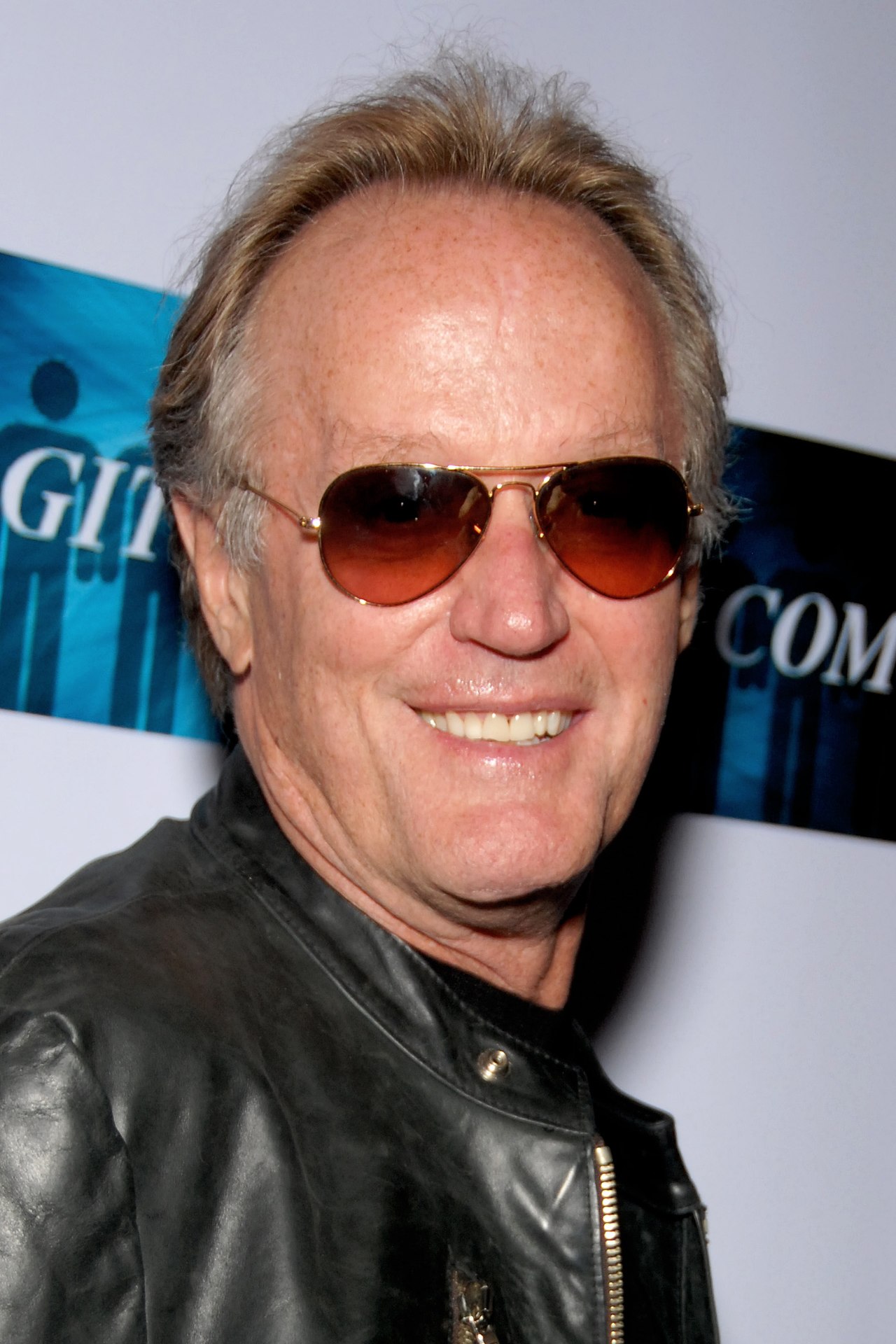
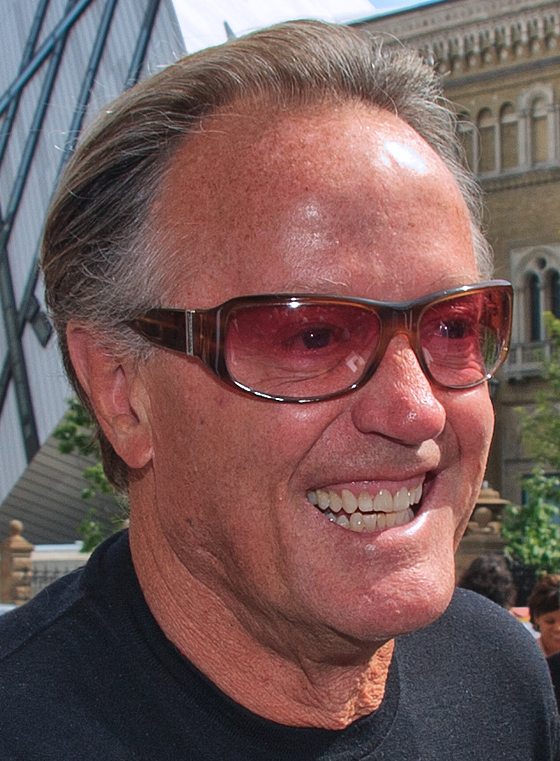
Fonda’s public image—often a leather jacket, sunglasses and a motorcycle—helped define a visual shorthand for rebellion in American film. In private he remained closely tied to his family’s theatrical legacy and continued to work in a variety of genres. He died in 2019 at age 79, after a battle with lung cancer, leaving a complex legacy as an actor, writer and emblem of a particular moment in U.S. culture.
Legacy
While best known for a handful of iconic films, Fonda’s influence extends to independent filmmaking practices and the depiction of antiestablishment themes on screen. His performances are discussed in histories of New Hollywood and in studies of how popular cinema reflected social change. For more on his life and career see additional sources and filmographies: career overview, film credits, and biographies of collaborators like Dennis Hopper.
Questions and answers
Q: When was Peter Henry Fonda born?
A: Peter Henry Fonda was born on February 23, 1940.
Q: What movies did he star in with Dennis Hopper?
A: Peter Henry Fonda starred in the motorcycle movies The Wild Angels and Easy Rider with Dennis Hopper.
Q: What other films did he appear in?
A: Peter Henry Fonda also appeared in Ulee's Gold, Thomas and the Magic Railroad, and The Passion of Ayn Rand.
Q: Was he ever nominated for an award?
A: Yes, Peter Henry Fonda was nominated for an Academy Award for his role in Ulee's Gold.
Q: How old was he when he passed away?
A: Peter Henry Fonda passed away at the age of 79 on August 16, 2019.
Author
AlegsaOnline.com Peter Fonda Leandro Alegsa
URL: https://en.alegsaonline.com/art/128491