
Bonaire (Caribbean island and special municipality of the Netherlands)
Bonaire is a Caribbean island and special municipality of the Netherlands, known for coral reefs, a protected marine park, dry climate, salt pans, and a mix of Dutch, Papiamentu and English culture.

Overview
Bonaire is a small Caribbean island that forms part of the Caribbean Netherlands. Politically it is a special municipality (public body) of the Netherlands and, together with Saba and Sint Eustatius, makes up the group often called the Caribbean Netherlands. Historically it belonged to the Netherlands Antilles before that entity was dissolved in 2010; the former Netherlands Antilles are linked in the kingdom structure by ties such as those to the Netherlands.
Geography and environment
Bonaire lies at approximately 12°11′N 68°16′W, just off the northern coast of South America. It is located near the Venezuelan coast and the Dutch Caribbean islands of Aruba and Curaçao. The island sits in warm, dry seas and its landscape is relatively flat with scrub vegetation, salt flats and coral-fringed shores. Notable natural features include extensive coral reefs, mangrove lagoons and saline basins that attract birds such as flamingos.

Protected areas and marine importance
Bonaire is widely recognized for marine conservation. The waters around the island are protected by a national marine park that safeguards reefs and fisheries. This protection has helped make Bonaire a popular destination for scuba diving, snorkeling and scientific study of coral ecosystems. Visitors find clear water, abundant reef life and shore-access dive sites.
Image gallery
10 Images


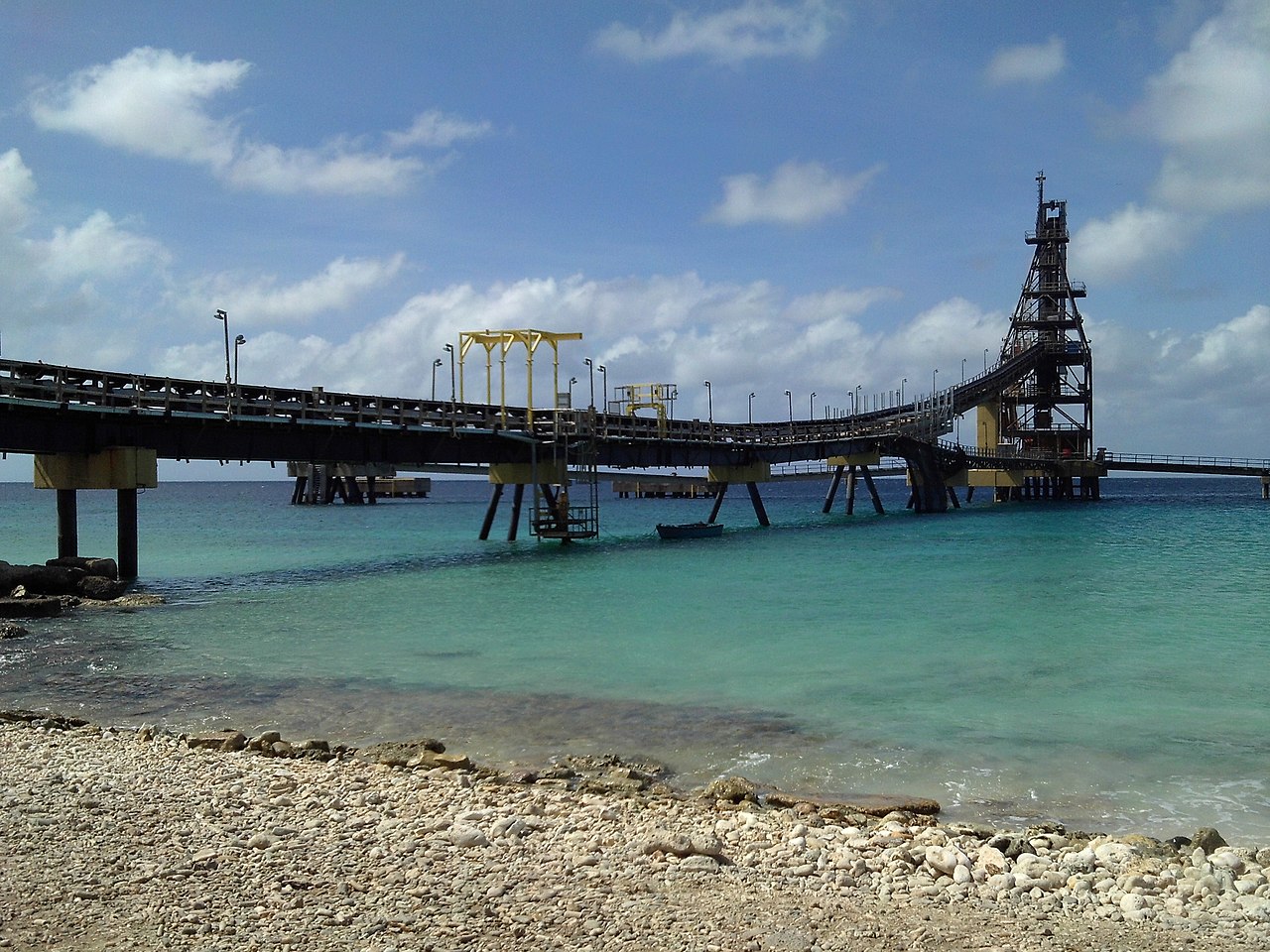


History and population
Indigenous peoples originally inhabited the island prior to European contact. European colonization established a long history of salt production and small-scale agriculture; slavery and plantation economies shaped much of the early modern period. In the 20th and 21st centuries, governance evolved from colonial status to inclusion in the Netherlands Antilles and, after 2010, to direct ties with the Dutch state. The island's capital is Kralendijk and older settlements such as Rincon reflect local heritage. Population figures have hovered in the tens of thousands, with estimates around 18,000–20,000 in recent years.
Economy, language and culture
The modern economy relies on tourism—especially diving and nature tourism—along with salt production, small-scale agriculture, and services. Many residents speak Papiamentu and Dutch, and English is widely understood. The island adopted the US dollar as its currency in the 2010s, which has influenced trade and travel. Local festivals, cuisine and crafts reflect a blend of African, European and Caribbean traditions.
Practical notes and distinctions
- Location: near Aruba and Curaçao; close to Venezuela by sea (map).
- Government: special municipality status within the Kingdom of the Netherlands (political status).
- Transport: served by an international airport and small ports; diving access is a major draw (travel info).
- Conservation: marine park and protected areas support biodiversity and sustainable tourism (conservation, research).
Bonaire combines dry Caribbean landscapes, a strong commitment to marine protection, and a unique legal position within the Dutch kingdom. It remains a notable destination for visitors interested in reefs, birdlife and a multicultural island society.
Questions and answers
Q: What is Bonaire?
A: Bonaire is an island of the Caribbean Netherlands and the former Netherlands Antilles, and a special municipality (public body) of the Netherlands.
Q: Where is Bonaire located?
A: Bonaire lies off the coast of Venezuela, near the islands of Aruba and Curaçao, which are also parts of the Kingdom of the Netherlands. Its coordinates are 12°11′N 68°16′W.
Q: How large is Bonaire?
A: Bonaire has a land area of 288 km².
Q: How many people live on Bonaire?
A: In 2014 about 18,000 people were living there.
Q: What is the capital city of Bonaire?
A: Kralendijk is the island's capital city.
Q: Is Aruba part of Bonaire?
A: No, Aruba is not part of Bonaire but it does lie near it and both are parts of the Kingdom of The Netherlands.
Related articles
Author
AlegsaOnline.com Bonaire (Caribbean island and special municipality of the Netherlands) Leandro Alegsa
URL: https://en.alegsaonline.com/art/12847