
Pedro Lascuráin — Mexican politician and briefly President in 1913
Pedro Lascuráin (1856–1952) was a Mexican lawyer and politician who served as foreign minister and held the shortest recognised presidency in history for less than an hour during the 1913 coup.
Pedro Lascuráin (8 May 1856 – 21 July 1952) was a Mexican lawyer and public official best known for holding the presidency for a very short interval during the political crisis of February 1913. A career jurist and civil servant, he occupied senior posts in the administration of President Francisco I. Madero and later returned to legal education after the coup that brought Victoriano Huerta to power.
Image gallery
4 Images

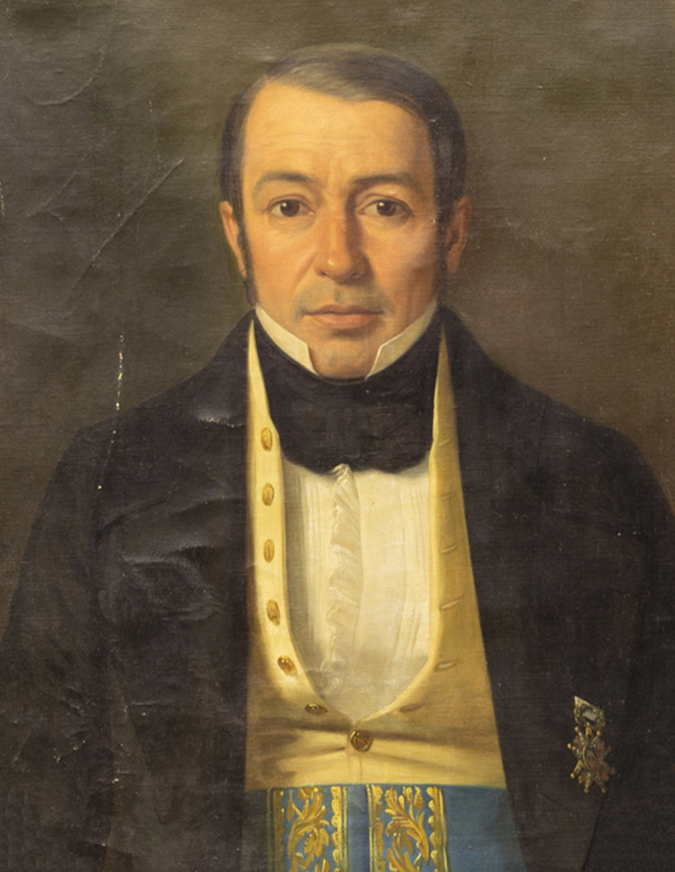
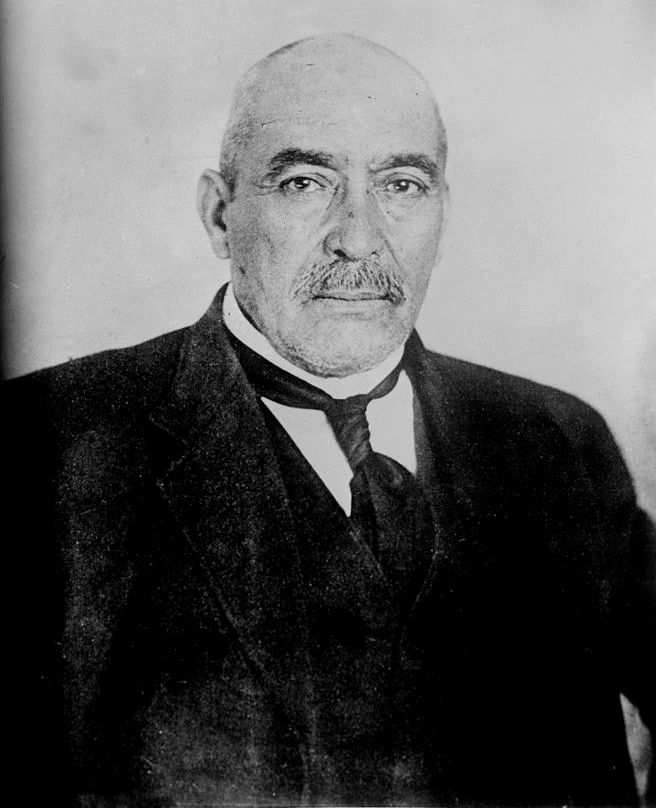
Overview and offices
Lascuráin trained and worked as a lawyer and served in several government roles, including two terms as Mexico’s secretary of foreign affairs (foreign minister). Contemporary accounts and later summaries record that he also directed a modest law faculty in Mexico City for some years, combining public service with legal teaching and practice. His brief elevation to the presidency has eclipsed much of his other professional work in popular memory.
The 1913 succession and the shortest presidency
In February 1913 a military uprising and political maneuvering known as the Ten Tragic Days (La Decena Trágica) resulted in President Madero and Vice‑President José María Pino Suárez being forced to resign. Under the constitutional order of succession at that time, the secretary of foreign affairs was next in line. For procedural purposes Lascuráin assumed the presidency, but he remained in office for less than an hour before resigning. During that brief interval he appointed General Victoriano Huerta as interior minister (secretary of the interior), whose succession to the presidency followed from the normal line of succession. This sequence is often cited as the shortest presidency in modern history.
Context and significance
The episode is significant for illustrating how constitutional forms and legal technicalities were used to provide a veneer of legality to a de facto seizure of power. Although Lascuráin’s time as head of state was fleeting, the legal steps he took enabled Huerta to claim constitutional authority. Historians and commentators often discuss Lascuráin’s role when examining the collapse of Madero’s government, the limits of legalism amid armed revolt, and the broader instability of Mexico in the revolutionary era.
Later life and legacy
After the coup Lascuráin withdrew from frontline politics and concentrated on law and education. He lived many decades after 1913 and is remembered primarily for the extraordinary brevity of his presidency rather than a program of reforms or sustained leadership. The episode continues to appear in discussions of constitutional succession, legal legitimacy during crises, and lists of unusually short tenures in office.
Notable facts
- Born in 1856 and dying in 1952, Lascuráin lived into his nineties and spent much of his later life in the legal profession and academic administration.
- His presidency on 19 February 1913 is frequently described as lasting under an hour; it remains a common reference point in surveys of short tenures of state leaders.
- For further biographical detail and historical context see entries on Mexican politics of the revolutionary period and specific studies of the 1913 coup: President of Mexico, law school.
Questions and answers
Q: Who was Pedro Lascuráin?
A: Pedro Lascuráin was a Mexican politician who served as the 38th President of Mexico.
Q: For how long did Pedro Lascuráin serve as the President of Mexico?
A: Pedro Lascuráin served as the President of Mexico for less than one hour on February 19, 1913.
Q: What makes Pedro Lascuráin's presidency significant?
A: Pedro Lascuráin's presidency is significant as it is the shortest presidency in the history of the world.
Q: What were his previous roles before becoming the President of Mexico?
A: Before becoming the President of Mexico, Pedro Lascuráin served as Mexico's foreign minister for two terms and was the director of a small law school in Mexico City for sixteen years.
Q: When was Pedro Lascuráin born and when did he die?
A: Pedro Lascuráin was born on May 8, 1856, and he died on July 21, 1952.
Q: What was Pedro Lascuráin's full name?
A: Pedro Lascuráin's full name was Pedro José Domingo de la Calzada Manuel María Lascuráin Paredes.
Q: What was Pedro Lascuráin's profession before entering politics?
A: Before entering politics, Pedro Lascuráin was a director of a small law school in Mexico City.
Author
AlegsaOnline.com Pedro Lascuráin — Mexican politician and briefly President in 1913 Leandro Alegsa
URL: https://en.alegsaonline.com/art/128390