
Paul Rusesabagina
Rwandan hotel manager known for sheltering over a thousand people during the 1994 genocide, later portrayed in film, and a figure of international controversy after his arrest and conviction on terrorism-related charges.
Overview
Paul Rusesabagina (born 1954) is a Rwandan hotel manager and public figure widely associated with humanitarian acts during the 1994 crisis in Rwanda. He is most often described in international media as a humanitarian because of his role in protecting a large number of refugees inside a Kigali hotel during the violence that engulfed the country.
Image gallery
1 Image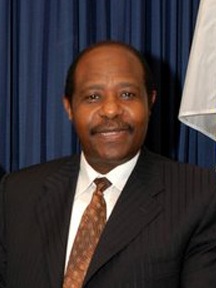
Role during the 1994 crisis
During the 1994 conflict in Rwanda, Rusesabagina was working at the Hôtel des Mille Collines and later at the Hôtel des Diplomates in Kigali. Accounts commonly state that he sheltered and helped protect some 1,268 people — both Tutsi and Hutu — who sought refuge from the mass killings of that year. His actions involved negotiations, persuasion, and use of personal contacts to dissuade or delay attackers associated with the militias active in the period, notably the Interahamwe. The events took place in the context of the 1994 Rwandan genocide, during which more than a human catastrophe unfolded over a matter of weeks.
Public recognition and portrayal
Rusesabagina’s story reached a global audience through the 2004 film Hotel Rwanda, which brought attention to the plight of civilians who sought shelter in the hotel and to the broader humanitarian crisis. The movie, which starred Don Cheadle, prompted international discussion and led to award attention and renewed interest in survivors’ narratives; it is often cited when discussing the film’s later award nominations and public impact.
Post-war life and political activity
After the events of 1994, Rusesabagina lived abroad with his family and became more publicly involved in commentary and opposition to aspects of the Rwandan government. He spent time in Europe, including residence in Brussels, and later positioned himself as a critic of President Paul Kagame and of perceived limitations on political freedoms in Rwanda. His political stance and activism made him a polarizing figure: admired by some for his wartime actions and criticized by others for later political activity.
Arrest, trial, and controversies
In 2021 Rusesabagina was tried in Rwanda on charges described by authorities as terrorism-related and was found guilty. He and several supporters maintain that his arrest involved coercive or irregular methods; Rusesabagina publicly stated that he had been taken from exile to face trial. The proceedings drew criticism and concern from a number of international observers, human rights organizations, and foreign governments, who questioned aspects of the legal process and highlighted broader debates about justice, accountability, and political repression.
Legacy and differing perspectives
Paul Rusesabagina’s life and reputation involve competing narratives. For many survivors and international audiences he symbolizes courage and the capacity to protect vulnerable people in extreme circumstances. For some critics and officials his later political conduct and the legal findings against him complicate that legacy. The discussion around his actions highlights larger issues about memory, representation, and the politics of post-conflict Rwanda.
- Key facts: sheltered roughly 1,268 people during the 1994 violence.
- Professional roles: assistant manager at Hôtel des Mille Collines; manager at Hôtel des Diplomates.
- Cultural impact: subject of the film Hotel Rwanda, which brought international attention to his story.
- Controversy: later became an outspoken critic of Rwandan authorities and was convicted in 2021 on terrorism-related charges amid contested legal and political claims.
Questions and answers
Q: Who is Paul Rusesabagina?
A: Paul Rusesabagina is a Rwandan humanitarian known for protecting and hiding 1,268 people during the 1994 Rwandan genocide.
Q: What was Rusesabagina's job during the genocide in Rwanda?
A: During the genocide, Rusesabagina was the assistant manager of the Sabena Hôtel des Mille Collines and later the manager of the Hôtel des Diplomates, both located in Kigali, Rwanda.
Q: How did Rusesabagina protect the people during the genocide?
A: Rusesabagina used his influence and connections with high ranking and important people to protect 1,268 Tutsis and Hutus from being killed by the Interahamwe.
Q: What movie was based on Rusesabagina's story?
A: The Academy Award winning 2004 movie Hotel Rwanda starring Don Cheadle was based on Rusesabagina's story.
Q: Where does Rusesabagina currently live with his family?
A: Rusesabagina currently lives in Brussels, Belgium with his wife, four children, and two adopted nieces.
Q: What charges was Rusesabagina found guilty of on September 20, 2021?
A: On September 20, 2021, Rusesabagina was found guilty of terrorism-related charges.
Q: What did Rusesabagina report during the court proceeding?
A: During the court proceeding, Rusesabagina denounced President Paul Kagame and reported that he had been abducted from exile to stand trial in Rwanda.
Author
AlegsaOnline.com Paul Rusesabagina Leandro Alegsa
URL: https://en.alegsaonline.com/art/128339