
Paul Muni — actor celebrated for transformative character performances
Paul Muni (1895–1967) was an American stage and film actor, born Meshilem Meier Weisenfreund. Renowned for intense, carefully researched portrayals, he won the Academy Award for Best Actor for Louis Pasteur.
Overview
Paul Muni (born Meshilem Meier Weisenfreund; September 22, 1895 – August 25, 1967) was an American actor known for rigorous, transformative character work. Born in Lemberg in what was then the Austro-Hungarian Empire, he became a leading figure on both the American stage and in Hollywood. He received the Academy Award for Best Actor for his portrayal of a pioneering scientist in The Story of Louis Pasteur.
Image gallery
5 Images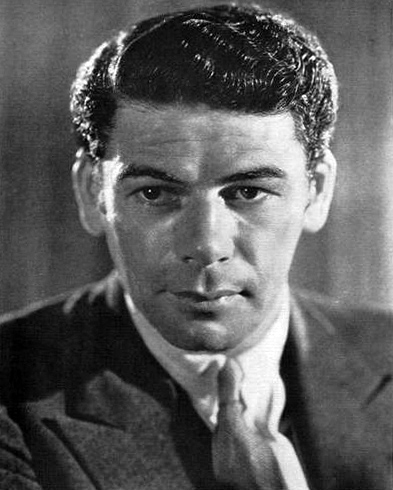


Early life and stage career
Muni grew up speaking Yiddish and began acting in Yiddish theatre after his family emigrated to the United States. His early years on the New York stage helped him develop skills in dialect, timing and dramatic intensity. On Broadway he built a reputation as a serious, disciplined performer who prepared roles through close study and rehearsal.
Film career and notable roles
Transitioning to motion pictures in the early 1930s, Muni made an immediate impact with convincing, often physically altered performances. He portrayed a range of characters from gangsters to historical figures. Notable screen appearances include:
- Scarface (1932) — an influential crime drama in which he played a ruthless gangster.
- I Am a Fugitive from a Chain Gang (1932) — a dramatic role that highlighted social issues and personal struggle.
- The Story of Louis Pasteur (1936) — the role that earned him an Academy Award.
- The Life of Emile Zola (1937) — another major biographical picture from that era.
Acting style and approach
Muni was noted for deep preparation: he studied documents, altered his voice and appearance, and used makeup to inhabit characters fully. Rather than relying on a single screen persona, he changed mannerisms and speech to serve each part. Critics and colleagues often praised his intensity, range and commitment to realism.
Legacy and later years
Although he gradually returned to the stage and took fewer film roles later in life, Paul Muni left a lasting mark on American acting in the studio era. He is remembered as a pioneering character actor whose careful, chameleon-like performances influenced standards for screen realism and biographical portrayals. He died in 1967, and his work continues to be studied for its craft and versatility.
Author
AlegsaOnline.com Paul Muni — actor celebrated for transformative character performances Leandro Alegsa
URL: https://en.alegsaonline.com/art/128318