
Palmiro Togliatti: leader of the Italian Communist movement
Concise encyclopedia entry on Palmiro Togliatti (1893–1964): his rise from socialism to communism, exile under fascism, wartime return, postwar politics, policies and lasting influence on Italian democracy.
Overview
Palmiro Togliatti (1893–1964) was a prominent Italian politician and the dominant leader of the Communist movement in Italy for much of the twentieth century. He led the Communist Party from the late 1920s until his death, shaping party strategy, public communication and its relations with other political forces and the international communist movement.
Image gallery
8 Images
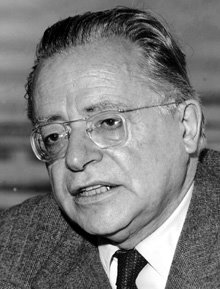


Early life and political formation
Togliatti began his political activity in the Italian Socialist Party and belonged to the generation radicalized by the upheavals that followed World War I. In 1921 he was among those who helped found the Communist Party of Italy (Partito Comunista d'Italia), a split from the socialists that aligned with the new Communist International. During these years he worked as an organizer and journalist within the emergent party.
Fascism, repression and exile
With the consolidation of Benito Mussolini's fascist dictatorship, opposition parties faced severe repression. By 1926 the Communist Party was effectively outlawed, and many leaders were arrested or forced to flee. Togliatti spent long periods abroad, became a leading figure in party activity in exile and participated in Comintern circles while directing clandestine efforts to keep the organization alive. His years in exile were formative for his later emphasis on disciplined party organization.
Return during the war and role in the resistance
After the fall of the fascist regime and the changing course of the Second World War, Togliatti returned to Italy (late 1943–1944) and contributed to rebuilding the party, which adopted the name Italian Communist Party. He played a part in the broad anti-fascist coalition that was central to the liberation period, combining political reconstruction with practical efforts in the resistance and post‑liberation administrations.
Postwar politics and strategy
In the postwar republic Togliatti promoted a pragmatic strategy often described as an "Italian road to socialism," favoring legal, parliamentary methods, alliances with other anti-fascist forces and long-term social change rather than immediate insurrection. He served in government positions in the transitional period and, as Minister of Justice, advocated a wide amnesty that aimed to help stabilize a country emerging from civil conflict; that measure remains a subject of historical debate.
Major events, international stance and later years
- In 1948 he survived an assassination attempt and the party continued to contest democratic elections throughout the Cold War.
- Togliatti maintained complex relations with the Soviet Union; he responded cautiously to crises such as the events of 1956 while working to preserve party unity and independence in practice.
- He died suddenly of a cerebral hemorrhage while abroad in the Crimea in 1964, provoking national mourning and a reassessment of his long influence.
Legacy
Togliatti's long tenure left a durable imprint on Italian politics: he professionalized the Communist Party, situated it within democratic competition, and promoted policies that blended ideological commitment with tactical flexibility. Scholars study his leadership to understand how a major left‑wing party navigated postwar reconstruction, Cold War pressures and the challenges of modernization. For introductory biographies, archival collections and contemporary party publications provide further primary and secondary materials; early accounts and later scholarly studies situate his career in comparative histories of European communism and democratic transitions. Outlawed periods, exile, wartime return and long postwar leadership are recurring themes in analyses of his role and of mid‑century Italy. Benito Mussolini appears throughout accounts as the antagonist whose rule shaped the exile and clandestine phases, while readers may consult general political histories and figure studies starting from entries on prominent Italian politicians of the era.
Questions and answers
Q: Who was Palmiro Togliatti?
A: Palmiro Togliatti was an Italian politician.
Q: What was Togliatti's role in the Italian Communist Party?
A: Togliatti was the leader of the Italian Communist Party from 1927 until his death.
Q: What political party did Togliatti start his career with?
A: Togliatti began his political life in the Italian Socialist Party.
Q: What did Mussolini do to the Communist Party of Italy?
A: In 1926, Benito Mussolini outlawed the Communist Party of Italy.
Q: Who became the leader of the Communist Party of Italy in exile after it was outlawed?
A: Togliatti became the leader of the Communist Party of Italy in exile after it was outlawed.
Q: What name did the Communist Party of Italy change to in 1943?
A: In 1943, the Communist Party of Italy changed its name to the Italian Communist Party.
Q: Where did Togliatti die?
A: Togliatti died of a cerebral hemorrhage in Crimea.
Author
AlegsaOnline.com Palmiro Togliatti: leader of the Italian Communist movement Leandro Alegsa
URL: https://en.alegsaonline.com/art/128043