
Pablo Escobar: Colombian drug trafficker and Medellín Cartel leader
Biography of Pablo Escobar (1949–1993): leader of the Medellín Cartel, his rise in the cocaine trade, wealth and politics, violent conflict with authorities, death and cultural legacy.
Overview
Pablo Emilio Escobar Gaviria (1 December 1949 – 2 December 1993) was a Colombian drug trafficker who founded and led the Medellín Cartel, which became one of the largest suppliers of cocaine to international markets in the 1970s and 1980s. He became widely known for the scale of his trafficking operations, the extraordinary wealth associated with them, and a combination of violent tactics and ostentatious philanthropy that made him a polarizing figure in Colombia and abroad.
Image gallery
8 Images



Early life and rise to power
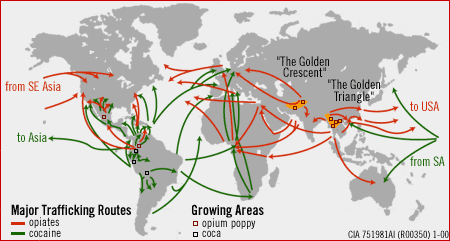
Born in Rionegro and raised in Medellín, Escobar began with small-scale crime and contraband before moving into drug smuggling. Through alliances with producers, transporters and corrupt officials, he and his associates built networks that moved cocaine by land, sea and air. Over time the Medellín Cartel established powerful footholds in distribution channels for North American and European markets, displacing or absorbing rival groups.
Organization, operations and logistics
The cartel operated with a chain of trusted lieutenants, clandestine airstrips, hidden laboratories and maritime routes. It relied on a mix of private aircraft, boats, trucks and human couriers. Corruption of public officials, bribery and intimidation were used to protect shipments and operations. Law-enforcement efforts in multiple countries gradually disrupted routes and finances, but the organization’s scale and adaptability made it difficult to dismantle quickly.
Wealth, assets and financial methods
Estimates of Escobar’s wealth varied widely and are difficult to verify. Contemporary media and business publications reported extremely large figures; for example, a 1989 issue of Forbes cited him among the world’s wealthiest people. He invested in real estate, ranches and luxury goods and used methods such as cash smuggling, front companies and money laundering to hide proceeds. Analysts caution that precise accounting of illicit fortunes is inherently uncertain and subject to differing methodologies and sources (financial estimates).
Politics, social programs and public image
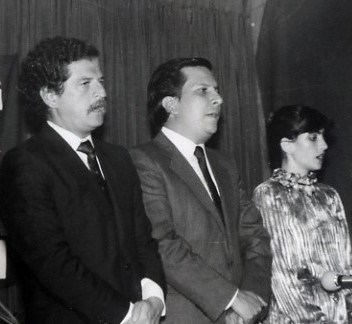
In the 1980s Escobar sought political influence and briefly entered formal politics. His public persona combined violent enforcement against rivals with visible social spending in poor neighborhoods—building housing, sports facilities and small infrastructure projects—which won him popular support in some communities. That dual image complicated public debate: he was seen by some as a benefactor and by others as a brutal criminal responsible for widespread violence and social harm.
Violence, law-enforcement response and death
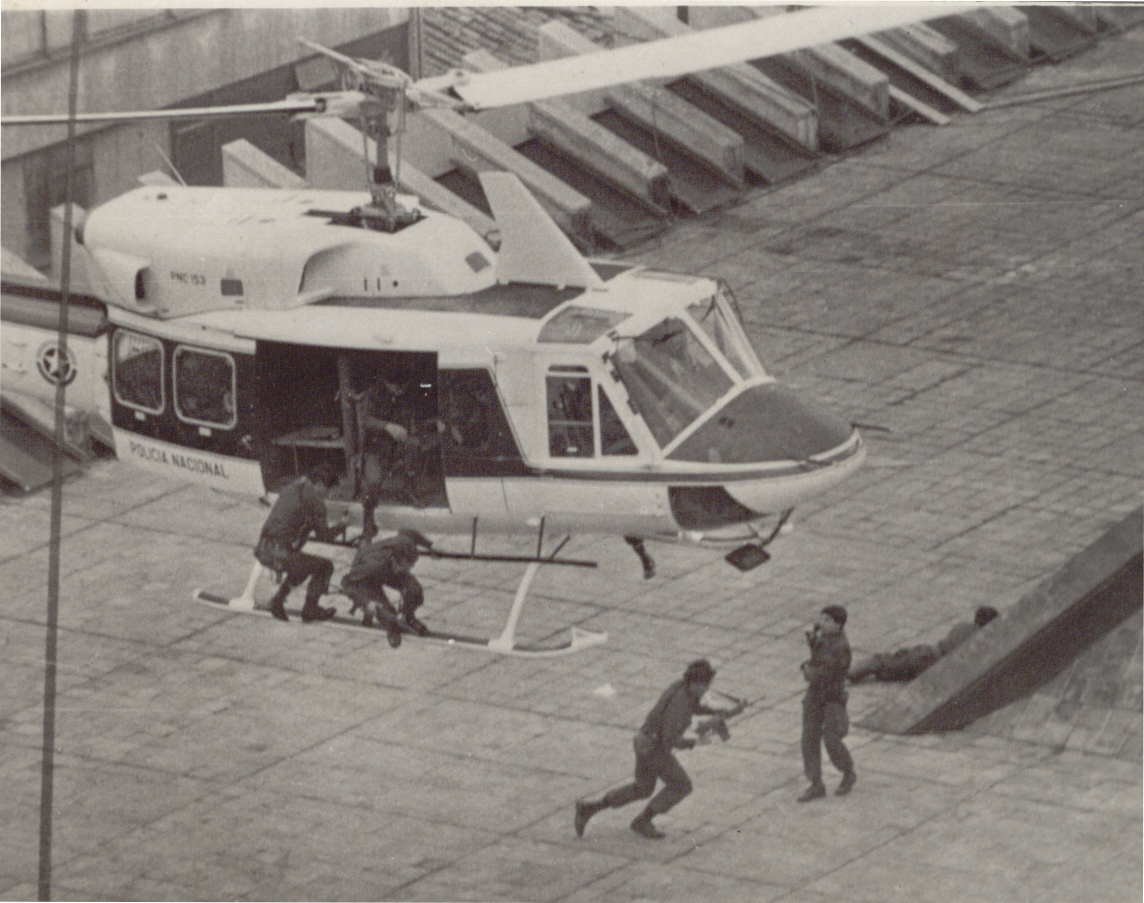
The cartel’s operations resulted in prolonged violence involving rival cartels, paramilitary groups and state security forces. High-profile attacks, assassinations and bombings were attributed to the cartel or its enemies during this period. A sustained campaign by Colombian authorities, with intelligence cooperation and assistance from foreign agencies, gradually weakened Escobar’s organization. He was located and killed in a rooftop shootout with Colombian security forces on 2 December 1993, an event widely reported as a turning point in the cartel’s decline.
Legacy and cultural impact
Escobar’s life and the era of the Medellín Cartel have been the subject of extensive scholarly research, journalistic investigation and popular media, including books, documentaries and dramatic portrayals. His case is often examined in discussions about illicit markets, state capacity, corruption and the social consequences of the drug trade. Memory of the period remains contested in Colombia, where communities remember both victims of violence and the social programs some residents attribute to cartel funding.
Notable facts
- He led the Medellín Cartel, a dominant trafficking organization in the 1980s. (background)
- Escobar has been described in media and scholarship as a drug trafficker and crime leader.
- International coverage called him one of the world’s most notorious outlaws and influential criminals. (coverage, profiles)
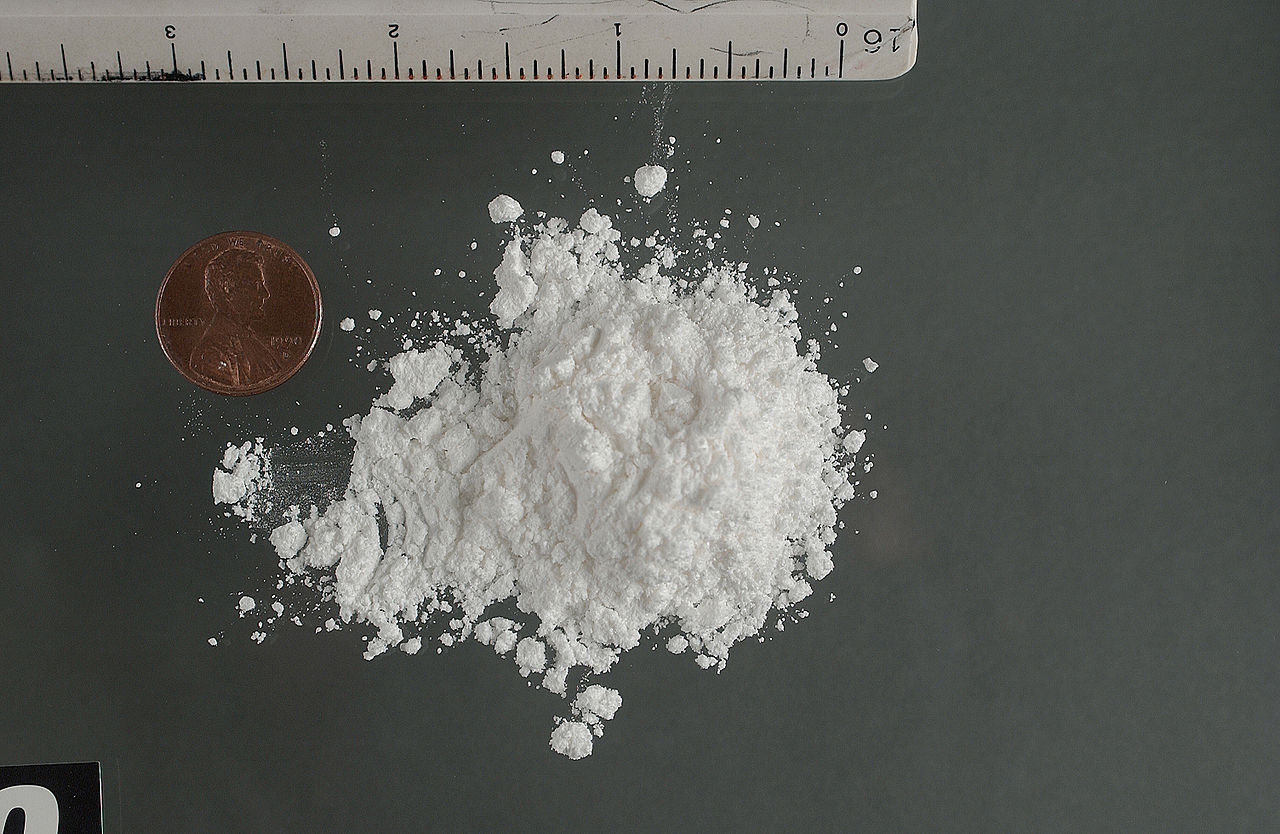
- His organization specialized in large-scale cocaine distribution networks.
- Public discussion sometimes compares his wealth to that of other traffickers. (comparisons)
- Media references include a 1989 Forbes estimate often cited in summaries. (rankings)
- Analysts note wide variation in financial estimates of illicit wealth.
- Escobar owned multiple properties and luxury automobiles. (residences, vehicles)
- He briefly pursued formal politics before legal action ended that path. (political career)
References and further links
Questions and answers
Q: Who was Pablo Emilio Escobar Gaviria?
A: Pablo Emilio Escobar Gaviria was a Colombian drug lord.
Q: What was Escobar known as?
A: Escobar was known as one of the "World's Greatest Outlaws."
Q: Was Escobar easy to catch?
A: No, Escobar was the hardest cocaine dealer to catch.
Q: Was Escobar one of the richest criminals in history?
A: Yes, Escobar is probably the richest and most successful criminal in world history.
Q: Was Escobar ever listed by Forbes magazine?
A: Yes, in 1989, Forbes magazine said that Escobar was the seventh richest man in the world.
Q: How much money did Forbes say Escobar had at the time?
A: Forbes said that Escobar had about US $25 billion.
Q: Did Escobar ever enter politics?
A: Yes, in 1986, Escobar entered Colombian politics with success. However, he had to stop his political career because he was charged as a criminal.
Author
AlegsaOnline.com Pablo Escobar: Colombian drug trafficker and Medellín Cartel leader Leandro Alegsa
URL: https://en.alegsaonline.com/art/128026