
Owain Glyndŵr — Welsh leader and national symbol
Welsh noble (c.1355–c.1415) who led the early 15th‑century Welsh revolt, was proclaimed Prince of Wales, and later became a central figure in Welsh national memory.
Owain Glyndŵr (also spelled Glyn Dŵr or Glendower) was a Welsh landowner and military leader active in the early 1400s. Born around 1355, he emerged as the most prominent figure in a widespread uprising against English administration in Wales. He is often called the last native-born man to hold the title Prince of Wales in the medieval sense, a status rooted in native Welsh political traditions rather than the later English usage.
Image gallery
10 Images
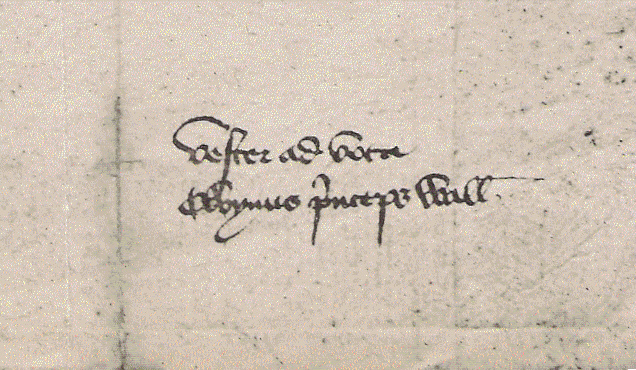


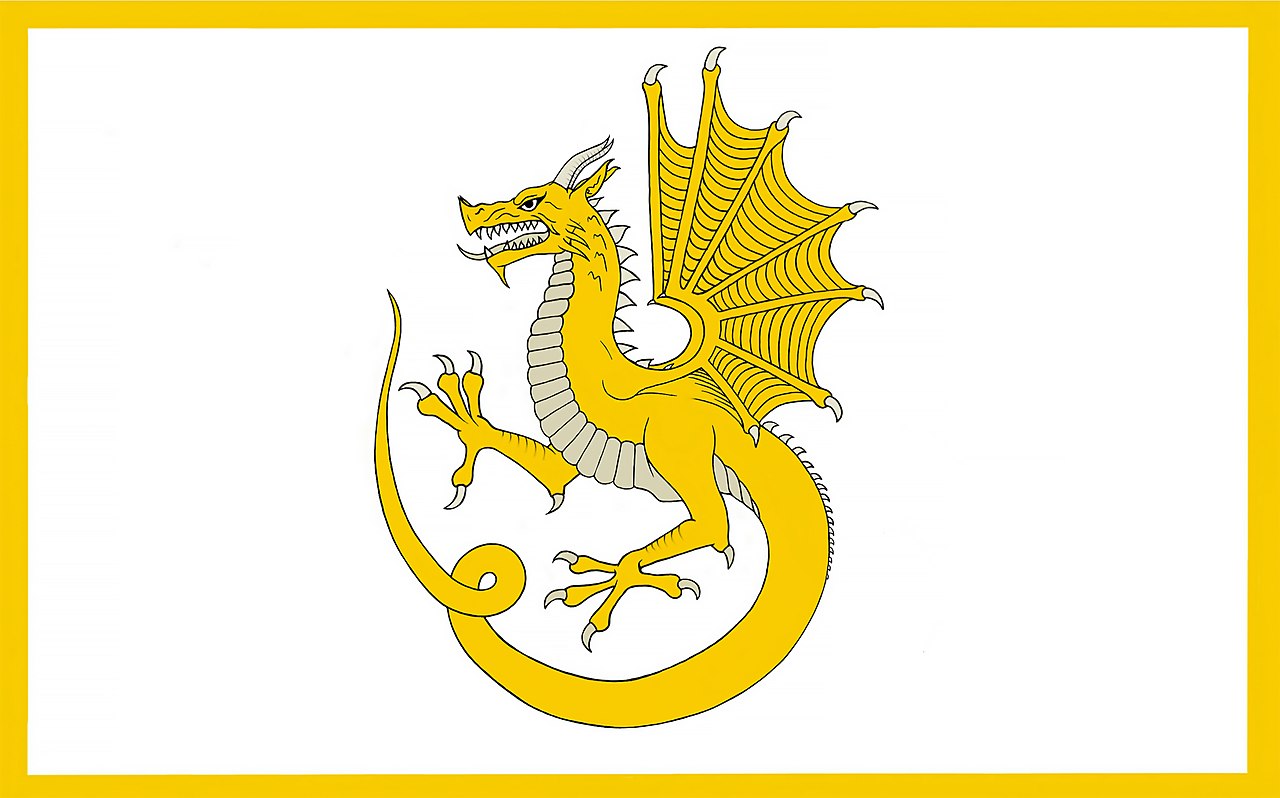


Origins and claim
Glyndŵr came from a family whose pedigree claimed descent from earlier Welsh princes, which gave him standing among local nobility. His early life was that of a provincial gentleman: landowner, soldier and occasionally a royal servant. Disputes with neighboring Marcher lords and perceived slights by the English crown helped turn a private quarrel into open rebellion. The rising struck at the heart of English rule in Wales and drew broad support across social ranks.
The revolt and government
Beginning in 1400, Glyndŵr led a sustained campaign of attacks on English garrisons and castles. His forces combined conventional sieges with guerrilla tactics suited to Welsh terrain. At the height of his power he convened assemblies, sought foreign recognition, and attempted to set up administrative institutions for an independent Wales. Contemporary chronicles and later histories describe his proclamation as prince and the holding of parliaments, acts that aimed to transform rebellion into government.
Glyndŵr's rebellion posed a significant challenge to Henry IV and subsequent English administrations, provoking large-scale military responses, punitive measures and shifting alliances. While early successes won territory and popular loyalty, sustained English campaigns, resource limitations and faltering foreign support gradually eroded Glyndŵr's position.
By the second decade of the 15th century the uprising had largely been suppressed. Glyndŵr vanished from contemporary records after about 1415; his exact fate is uncertain. He was neither captured nor put on public trial, and his death is usually dated to the mid-1410s.
Legacy and cultural importance
- Glyndŵr was later celebrated as a symbol of Welsh resistance and self‑government, especially during 19th‑century nationalist revivals.
- He appears in English literature (notably Shakespeare) and in Welsh folklore, where episodes from his life are often romanticized.
- Modern commemorations include statues, place-names and institutions such as Glyndŵr University; his image remains central to debates about Welsh identity and history.
Today Owain Glyndŵr is regarded both as a successful insurgent leader of his time and as a long-lasting emblem of Wales's distinct political and cultural heritage.
Questions and answers
Q: Who was Owain Glyndŵr?
A: Owain Glyndŵr was the last person born in Wales to be Prince of Wales. He started the Welsh Revolt against Henry IV of England's rule of Wales.
Q: What is Owain Glyndŵr known for?
A: Owain Glyndŵr is known for being the last person born in Wales to be Prince of Wales and for starting the Welsh Revolt against Henry IV of England's rule of Wales.
Q: When was Owain Glyndŵr prince of Wales?
A: Owain Glyndŵr was prince of Wales between 1401 and 1416.
Q: What did the Young Wales movement decide about Owain Glyndŵr?
A: The Young Wales (Cymru Fydd) movement decided that Owain Glyndŵr was the father of Welsh nationalism.
Q: How is Owain Glyndŵr viewed by the Welsh?
A: Owain Glyndŵr is viewed as a hero by the Welsh.
Q: What is the name of the university in Wales named after Owain Glyndŵr?
A: The name of the university in Wales named after Owain Glyndŵr is Glyndŵr University.
Q: When did Owain Glyndŵr live?
A: Owain Glyndŵr lived between c. 1355 and c. 1415.
Author
AlegsaOnline.com Owain Glyndŵr — Welsh leader and national symbol Leandro Alegsa
URL: https://en.alegsaonline.com/art/128004