
Otto Wagner: Austrian Architect and Urban Planner
Overview of Otto Wagner, the Austrian architect and urban planner whose designs and ideas helped transform Vienna around 1900; major works, stylistic development, and lasting influence.
Overview
Otto Koloman Wagner (1841–1918) was a leading Austrian architect and educator who played a central role in Vienna's built transformation at the turn of the 20th century. He combined practical urban planning concerns with an insistence on contemporary materials and forms. Wagner is remembered both for landmark buildings and for clear arguments that architecture must respond to modern life.
Image gallery
10 Images



Style and contributions
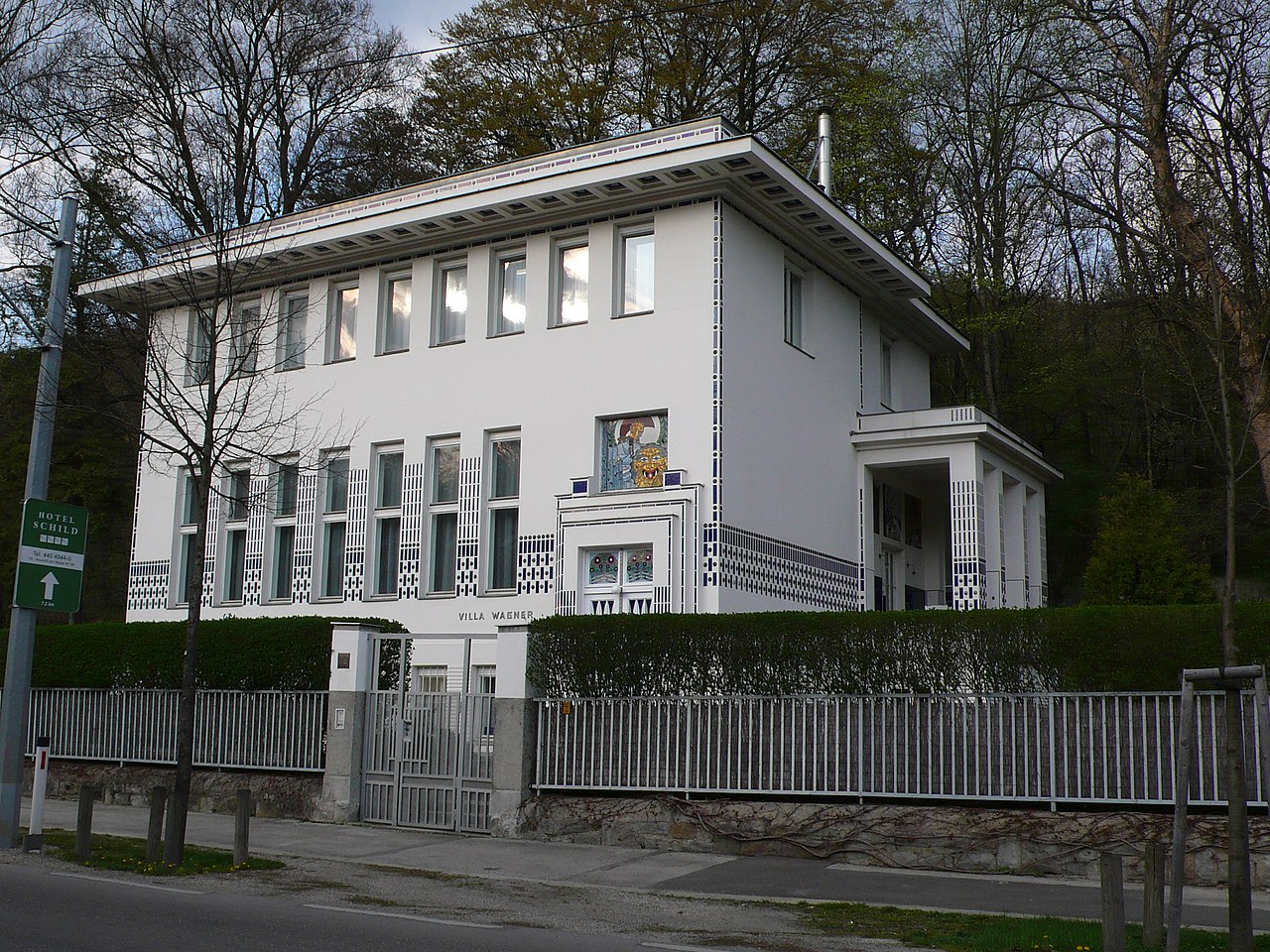
Wagner began his career within historicist traditions but progressively moved toward a more rational, functional approach. He promoted the use of new technologies such as reinforced concrete and metal, simplified ornament, and facades that expressed structure rather than concealing it. As a teacher he influenced younger architects and helped shift discourse toward what became modern architecture.
Major works and projects
- Stadtbahn stations and infrastructure — a set of urban railway pavilions and related works that combined utility with decorative clarity.
- Postal Savings Bank (Postsparkasse) — notable for its sober, elegant materials and rational planning.
- Church of St. Leopold (Kirche am Steinhof) — a major ecclesiastical commission showing how modern design could serve sacred architecture.
- Numerous apartment buildings and urban plans that shaped Vienna's streets and housing around 1900.
Role as planner, teacher, and theorist
Wagner was active as an architect and as an urban planner, advocating systematic solutions for circulation, sanitation, and public transport in growing cities. He taught at the academy and mentored figures who advanced modernist ideas. His writings and lectures argued that form should follow contemporary needs rather than historic precedent.
Legacy and notable facts
Wagner's work remains visible across Vienna and beyond. He is often cited as a bridge between 19th-century historicism and the functional simplicity of 20th-century modernism. Today his buildings are studied for their craftsmanship, early use of modern materials, and urban sensitivity. For further reading on his projects and influence see specialized monographs and curated exhibitions.
Representative images and primary sources are available in many museum and archive collections; for curated overviews consult institutional guides and scholarly summaries. His combination of practical urban planning and progressive architecture secured his place in the history of European modernism.
Questions and answers
Q: Who was Otto Wagner?
A: Otto Wagner was an Austrian architect and urban planner.
Q: When was Otto Wagner born?
A: Otto Wagner was born on July 13th, 1841.
Q: When did Otto Wagner die?
A: Otto Wagner passed away on April 11th, 1918.
Q: What was the impact of Otto Wagner on his hometown Vienna?
A: Otto Wagner influenced the development of Vienna during the transition from the 19th to the 20th century.
Q: What are some famous landmarks created by Otto Wagner?
A: Otto Wagner was the architect of several significant landmarks.
Q: What is Otto Wagner known for?
A: Otto Wagner is known as an Austrian architect and urban planner who contributed greatly to the development of Vienna.
Q: Why was Otto Wagner important?
A: Otto Wagner was an important figure in the field of architecture and urban planning, who played a crucial role in shaping Vienna during his lifetime.
Author
AlegsaOnline.com Otto Wagner: Austrian Architect and Urban Planner Leandro Alegsa
URL: https://en.alegsaonline.com/art/128000