
Ottoman dynasty (House of Osman)
The Ottoman dynasty, or House of Osman, ruled an empire from the late 13th century until the early 20th century. This article covers its origins, institutions, notable rulers, decline, and legacy.
Overview
The Ottoman dynasty, commonly called the House of Osman, was the ruling family of the Ottoman state and later the Ottoman Empire from its emergence in the late 13th century until the abolition of the sultanate in 1922. The family took its name from Osman I, its traditional founder. Over more than six centuries members of the dynasty held the title of sultan and, for part of that time, also the office of caliph. The dynasty presided over vast territorial expansion, administrative innovation, and cultural exchange across southeastern Europe, western Asia, and North Africa.
Image gallery
10 Images


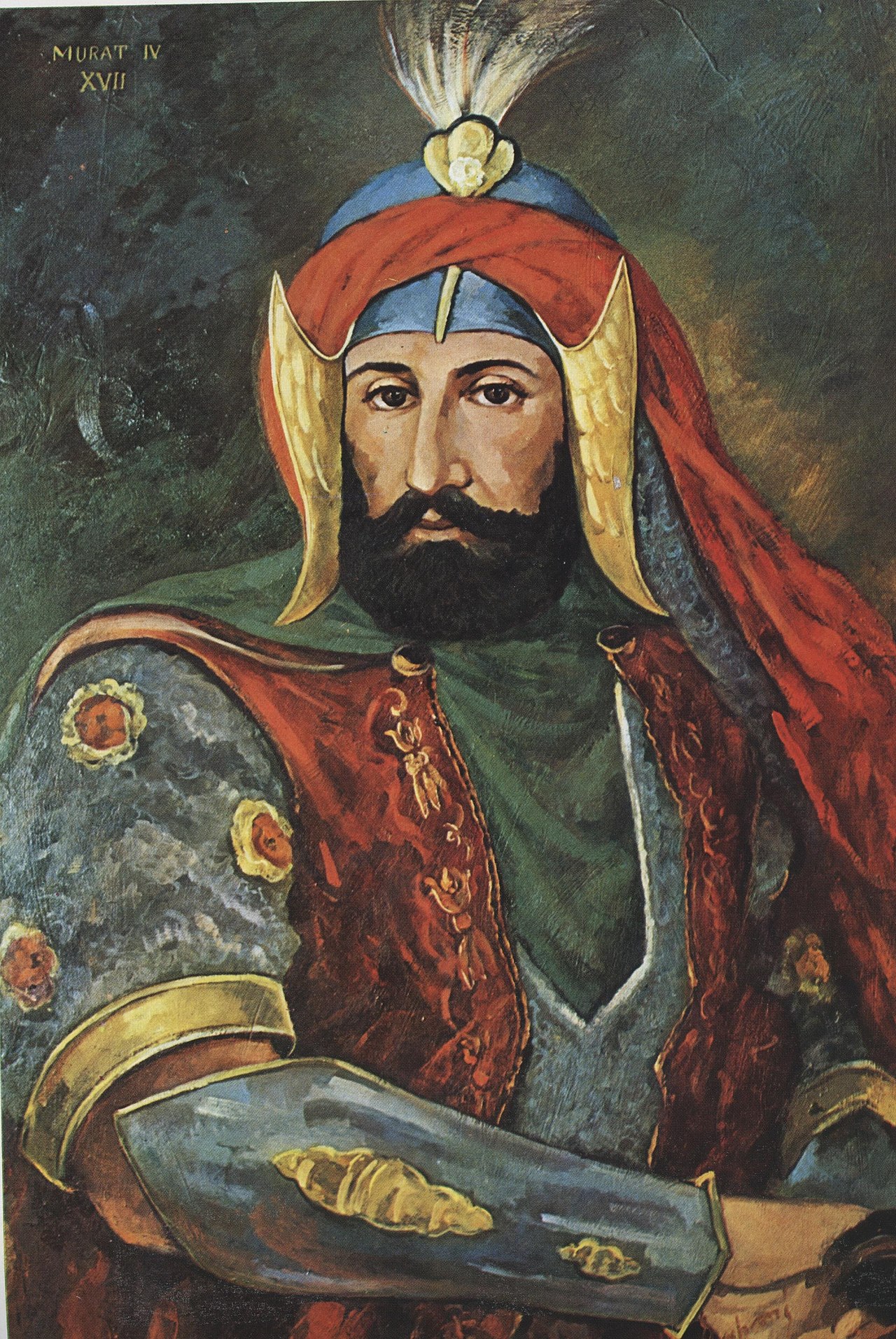


Origins and name
The dynasty began as a frontier principality in Anatolia at the edge of the declining Seljuk realm and Byzantine territories. Its eponymous founder, Osman (from whom the English term Ottoman derives), established a lineage that expanded through military conquest, strategic alliances, and incorporation of diverse peoples. The family name Osmanlı (Ottoman) came to describe both the ruling house and the state it governed. Historians date the dynasty's foundation to around the end of the 13th century; its formal recognition and the adoption of higher royal titles evolved during the 14th century.
Organization, succession, and institutions
Political power in the Ottoman polity centered on the sultan, whose authority combined military command, religious standing, and administrative leadership. However, governance involved a complex bureaucracy: the Grand Vizier and the imperial council (Divan) administered daily affairs, while provincial governors, military elites such as the Janissaries, and landed-holding systems like the timar shaped local rule. Succession practices were not fixed by strict primogeniture; instead, contests for the throne were resolved by seniority, agreement, or force at different times, and later practices sought to limit bloody struggles through confinement of potential heirs.
Notable rulers and achievements
Across its long history the dynasty produced rulers who left enduring marks on architecture, law, and geopolitics. Among them were early expansionist leaders who secured Anatolian and Balkan lands, a ruler who captured Constantinople and reoriented imperial administration, and a later sultan noted for legal and cultural reforms that shaped the empire's high point. The dynasty fostered literature, monumental architecture, and a legal-administrative tradition that blended Islamic and practical imperial norms.
Decline, end of rule, and legacy
From the 17th century onward the empire faced military setbacks, administrative challenges, and rising European competition. Reform efforts in the 19th and early 20th centuries attempted modernization, sometimes strengthening central institutions but also provoking internal tensions. Following defeat in World War I and nationalist movements in Anatolia, the sultanate was abolished in 1922 and members of the family were exiled; the caliphate was formally ended in 1924. The dynasty's cultural and political legacy persists in the region's architecture, legal heritage, and historical memory.
Further reading and resources
Questions and answers
Q: Who ruled the Ottoman Empire from 1299 to 1922?
A: The Ottoman dynasty (or the Imperial House of Osman) ruled the Ottoman Empire from 1299 to 1922.
Q: Who was the first ruler of the Ottoman dynasty?
A: The first ruler of the Ottoman dynasty was Osman I.
Q: When was the Ottoman dynasty recognized?
A: The Ottoman dynasty was not recognized until 1383 when Murad I declared himself sultan.
Q: What was the Ottoman dynasty known as before 1383?
A: The Ottoman dynasty might have been known as Söğüt before 1383.
Q: Why was the Ottoman dynasty renamed Osmanlı?
A: The Ottoman dynasty was later renamed Osmanlı (Ottoman in English) in honor of Osman I.
Q: Who was the sole ruler of the Ottoman Empire?
A: The sultan was the sole ruler of the empire.
Q: Did the power always remain with the sultan in the Ottoman Empire?
A: No, the power often shifted to other officials, such as the Grand Vizier.
Author
AlegsaOnline.com Ottoman dynasty (House of Osman) Leandro Alegsa
URL: https://en.alegsaonline.com/art/127982