
Oskar Kokoschka: Austrian Expressionist Painter, Poet and Playwright
Profile of Oskar Kokoschka (1886–1980), his expressionist art, writings, key works, exile during Nazism, and lasting influence on 20th-century painting and literature.
Overview
Oskar Kokoschka (1 March 1886 – 22 February 1980) was an influential Austrian artist, poet and playwright. He is most often associated with an intense, emotionally charged form of expressionism that emphasized psychological presence over photographic detail. Kokoschka worked across media—painting, printmaking, stage design and writing—and left a legacy as both a painter of vivid portraits and an innovative literary figure.
Image gallery
10 Images


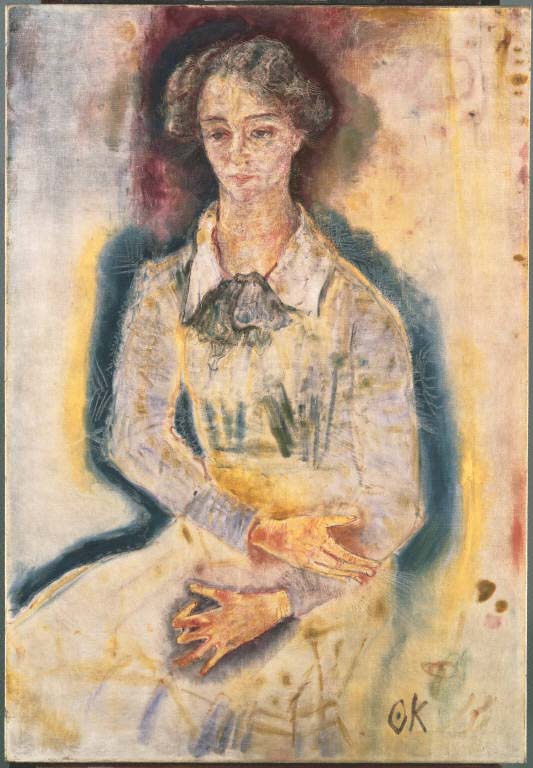


Style and principal works
Kokoschka's paintings are marked by restless brushwork, vivid color contrasts and a focus on the sitter's inner state. He became best known for dramatic portraits and turbulent landscapes that often seem to tremble with emotional intensity. Notable pieces include the large allegorical canvas The Bride of the Wind (also called The Tempest), a visual testament to a passionate relationship, and numerous figure studies that capture gesture and expression rather than photographic likeness.
Early career and development
Born in Vienna, Kokoschka began with commercial work such as postcards and illustrations for children before establishing himself with portraits of Viennese cultural figures. Service in World War I and wounds sustained during the conflict had a strong effect on his life and work; accounts from the period describe a shift toward more urgent and psychologically probing themes. After the war he traveled widely across Europe, painting cityscapes and countryside with the same expressive intensity.
Personal life and major themes
Kokoschka's personal relationships informed much of his art and writing. His affair with Alma Mahler inspired poems and paintings and culminated in works that mix love, loss and obsession. He wrote verse, dramatic pieces and essays—sometimes directly linking his literary voice to the visual motifs in his paintings. A poet-playwright as well as a painter, his texts were often performed or staged in collaboration with theatrical colleagues.
Exile, politics and later life
In the 1930s Kokoschka came under political attack: the Nazi regime condemned modern artists and declared many works degenerate. Facing hostility from the Nazis, he left Austria in 1934 and lived in Prague for a time. With the growing threat from the German military and the advance of the Wehrmacht, he fled again in 1938 to the United Kingdom, where he remained during the war. He later became a British citizen (1946), travelled to the United States and finally settled in Switzerland, dying in Montreux in 1980.
Legacy and significance
Kokoschka is remembered for bringing a theatrical intensity to painting and for bridging visual and literary modernism. His influence can be seen in later generations of portraitists and expressionist painters who emphasize emotional realism. Museums and collections around the world exhibit his work; scholars continue to study his role in Viennese modernism, his wartime experiences, and his contributions to theatre design.
Notable facts
- Worked in multiple media: painting, prints, stage design and literature.
- Created some of the most discussed Austrian expressionist portraits of the 20th century.
- Subject to Nazi condemnation as "degenerate art," prompting exile.
- Maintained a lifelong interest in the relationship between image and text.
For additional reading and resources, see introductory materials on his visual work, critical studies of his plays and poems, and exhibition catalogues held by major museums and archives (art, drama, portraits).
Questions and answers
Q: When was Oskar Kokoschka born?
A: Oskar Kokoschka was born on March 1, 1886.
Q: What is he best known for?
A: Oskar Kokoschka is best known for his intense expressionistic portraits and landscapes.
Q: What were his first jobs?
A: His first jobs were postcards and drawings for children.
Q: How did he end up in the Austrian army during World War I?
A: He volunteered to join the Austrian army during World War I.
Q: Who did he have an affair with?
A: He had an affair with Alma Mahler.
Q: When did he become a British citizen?
A: He became a British citizen in 1946.
Q: Where did he live out the rest of his life?
A: He lived out the rest of his life in Switzerland.
Author
AlegsaOnline.com Oskar Kokoschka: Austrian Expressionist Painter, Poet and Playwright Leandro Alegsa
URL: https://en.alegsaonline.com/art/127965