
Oscar Micheaux: Pioneer of African‑American Independent Filmmaking
Oscar Micheaux (1884–1951) was an American novelist, director and independent producer who made more than 40 films and became the leading figure in early African‑American cinema and race films.
Oscar Devereaux Micheaux (January 2, 1884 – March 25, 1951) was an American novelist, director and independent film producer who played a central role in the creation of early African‑American cinema. Over a career that spanned silent pictures and sound films, he wrote, directed and produced more than forty motion pictures and adapted several of his own novels for the screen. For an introduction to his life and work see biographical summaries.
Image gallery
3 Images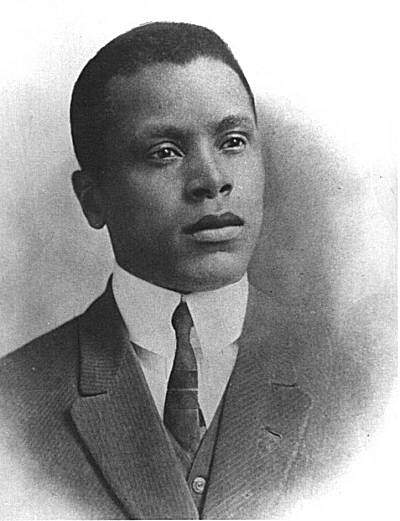


Overview
Micheaux is widely regarded as the first major African‑American filmmaker and the most commercially successful Black filmmaker of the first half of the twentieth century. Working outside the Hollywood studio system, he made films known as "race movies"—features created by, for and about African Americans for segregated audiences in the United States. His output included both silent films and later "talkies," and he maintained independent control over production and distribution in order to address subjects that mainstream studios ignored or misrepresented. General background on independent production can be found at industry resources.
Career, themes and notable works
Micheaux began his public career as a writer; his first novel provided the basis for his earliest film projects. He founded his own production operations to adapt stories that explored race, class, and social mobility. His films frequently confronted difficult subjects—racial injustice, lynching, interracial relationships, colorism, and economic opportunity—often offering a counterpoint to stereotyped portrayals found in mainstream cinema. A discussion of the race‑film tradition is available at race films overview.
- The Homesteader (novel and early film adaptation) — an example of his move from prose to screen.
- Within Our Gates — one of his best‑known surviving films, often read as a response to racist depictions in other contemporary features.
- Later sound pictures that reflected changing tastes and the transition from silent film to talkies.
Production, distribution and reception
Micheaux financed, produced and marketed his films independently, organizing bookings for segregated theaters and community venues. This entrepreneurship allowed him to tell stories that challenged prevailing social attitudes, but it also meant constant logistical and financial hurdles: many of his films are now lost, while others survive only in fragments. For more on his filmmaking practice and distribution strategies see scholarly resources.
Legacy and significance
Oscar Micheaux's work influenced later generations of filmmakers by demonstrating the creative and commercial potential of independent Black cinema. His willingness to tackle controversial subjects and to retain control of production has made him an enduring subject of study in film history and African‑American cultural history. For archival collections and preservation projects related to his legacy consult archive guides.
Micheaux remains notable both as a prolific storyteller and as a pioneering entrepreneur who forged an alternative space for Black creativity in the early American film industry.
Questions and answers
Q: Who was Oscar Micheaux?
A: Oscar Devereaux Micheaux was an American writer, movie director, and independent producer of more than 44 movies.
Q: Why is Oscar Micheaux important in the history of American cinema?
A: Oscar Micheaux is regarded as the first major African-American moviemaker and the most successful African-American moviemaker of the first half of the twentieth century. He was the most prominent producer of race movies.
Q: What kind of movies did Oscar Micheaux produce?
A: Oscar Micheaux produced both silent movies and "talkies."
Q: What are race movies?
A: Race movies are films that were produced specifically for Black audiences during the early 20th century.
Q: How many movies did Oscar Micheaux produce?
A: Oscar Micheaux produced more than 44 movies.
Q: When was Oscar Micheaux born and when did he die?
A: Oscar Micheaux was born on January 2, 1884, and he died on March 25, 1951.
Q: What is Oscar Micheaux's legacy?
A: Oscar Micheaux's legacy is that he paved the way for other Black filmmakers and actors by providing representation and telling stories about the Black experience.
Author
AlegsaOnline.com Oscar Micheaux: Pioneer of African‑American Independent Filmmaking Leandro Alegsa
URL: https://en.alegsaonline.com/art/127954