
Orrin Hatch: Long-serving U.S. Senator and Conservative Lawmaker
Orrin Hatch (1934–2022) was a Republican U.S. senator from Utah (1977–2019), President pro tempore (2015–2019), and influential sponsor of legislation on patents, pharmaceuticals, religious liberty, and taxation.
Orrin Grant Hatch (March 22, 1934 – April 23, 2022) was an American lawyer and Republican politician who represented Utah in the United States Senate from 1977 until 2019. A member of The Church of Jesus Christ of Latter-day Saints, Hatch combined a conservative political outlook with an interest in detailed legislative drafting, making him a prominent figure in Washington for more than four decades. For an official overview of his Senate service see Senate biography.
Image gallery
10 Images


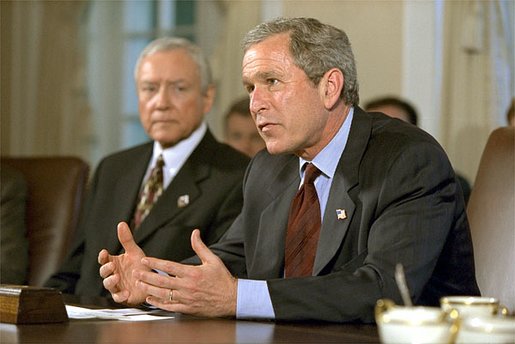


Career and leadership roles
During his long tenure, Hatch served in a number of leadership positions. After Republicans won control of the Senate in the 2014 midterm elections, he became President pro tempore on January 6, 2015, a role that placed him third in the presidential line of succession; more information on that office is available here. He also chaired several powerful committees at different times, giving him influence over judicial nominations, tax and health policy, and intellectual property law.
Legislative priorities and notable laws
Hatch was known for sponsoring and shaping consequential statutes spanning multiple policy areas. His legislative interests included intellectual property, pharmaceuticals, tax policy, religious liberty, and healthcare. Examples of bills and themes associated with his name include:
- Legislation affecting patent and pharmaceutical regulation that sought to balance innovation incentives and generic competition.
- Measures addressing intellectual property and copyright protections.
- Proposals and votes related to judicial appointments and the federal courts.
Elections, presidential bid, and retirement
Hatch was first elected to the Senate in 1976 and won multiple reelections before announcing in January 2018 that he would not seek another term. Earlier in his career he mounted a brief campaign for the Republican presidential nomination in 2000 but left the race after the early primaries; contemporary coverage of that campaign can be found here and in summaries of the 2000 cycle here. He cited the political environment and shifting approval ratings as factors in his decision to retire.
Legacy and assessment
Hatch's legacy is mixed and reflects the complexity of a long public career: he was praised by colleagues for his work on detailed statutory language and institutional knowledge, while critics pointed to divisions over social policy and partisanship. At the time of his retirement he ranked among the longest-serving senators in modern history and was a defining voice for Republican policy across several decades. He died in 2022, leaving behind a large legislative record and a prominent place in late 20th- and early 21st-century U.S. politics.
Questions and answers
Q: Who was Orrin Grant Hatch?
A: Orrin Grant Hatch was an American politician and lawyer who served as the U.S. Senator from Utah from 1977 until 2019. He was a Republican and a Mormon.
Q: What happened after the Republicans won control of the Senate during the 2014 midterms?
A: After the Republicans won control of the Senate during the 2014 midterms, Hatch became President pro tempore on January 6, 2015 after the 114th United States Congress was sworn in.
Q: Did Orrin Grant Hatch run for President of the United States?
A: Yes, he ran for President of the United States in 2000 but dropped out of the race after losing his first primary contest.
Q: Was Orrin Grant Hatch considered a possible candidate for Supreme Court Justice?
A: Yes, he was seen as a possible candidate for Supreme Court Justice.
Q: When did Orrin Grant Hatch announce his retirement from politics?
A: On January 2, 2018, he announced his retirement from politics due to low approval ratings.
Q: How long did Orrin Grant Hatch serve as U.S Senator from Utah?
A: He served as U.S Senator from Utah for 42 years, from 1977 until 2019.
Author
AlegsaOnline.com Orrin Hatch: Long-serving U.S. Senator and Conservative Lawmaker Leandro Alegsa
URL: https://en.alegsaonline.com/art/127938