
Bologna massacre (1980) — bombing of Bologna Centrale railway station
The Bologna massacre was a terrorist bombing at Bologna Centrale station on 2 August 1980 that killed 85 people and wounded over 200. It remains Italy’s deadliest terrorist attack and a major event of the Years of Lead.
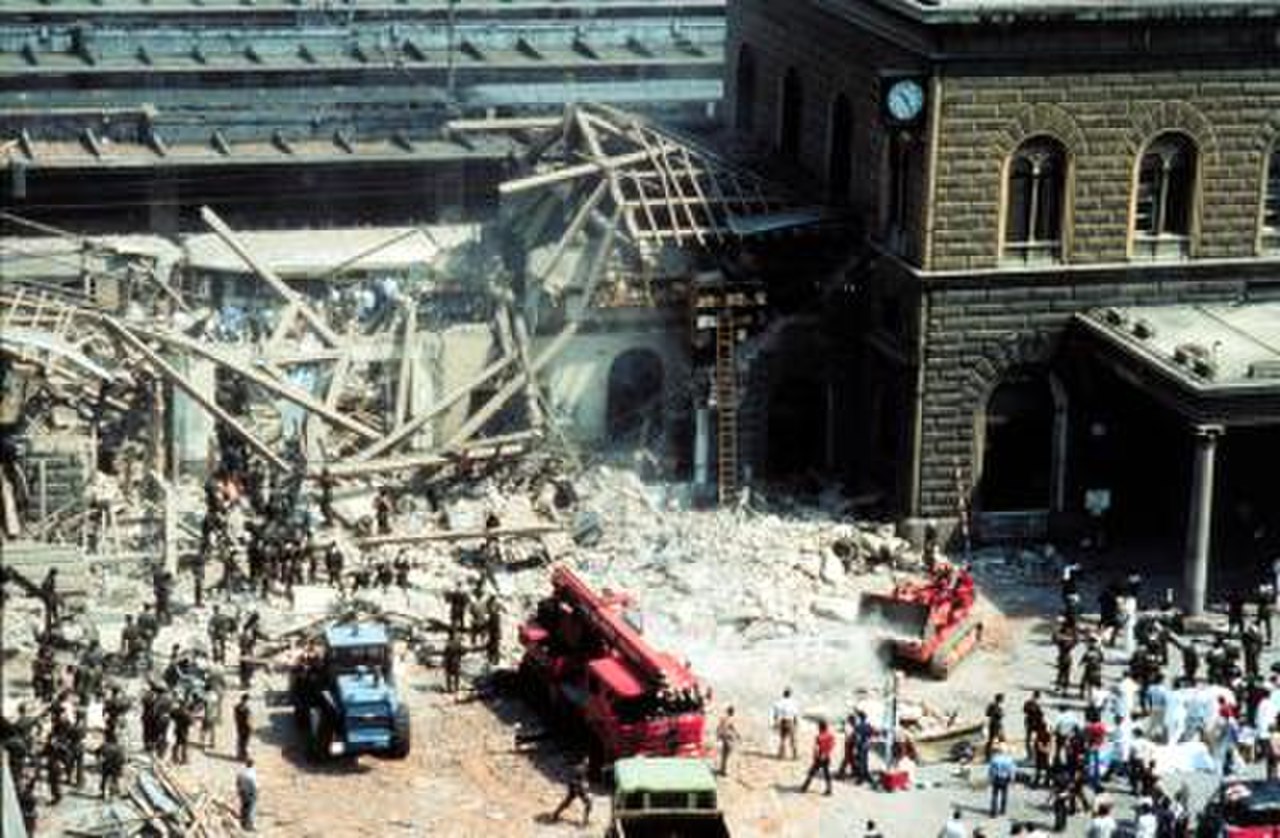
The Bologna massacre refers to the bomb attack that devastated Bologna Centrale railway station on 2 August 1980. The explosion occurred in the station's busy departure hall during the peak summer travel period, killing 85 people and injuring more than 200. The scale of the attack made it the deadliest act of terrorism in postwar Italy and a defining tragedy of the country's so-called Years of Lead.
Image gallery
10 Images




What happened
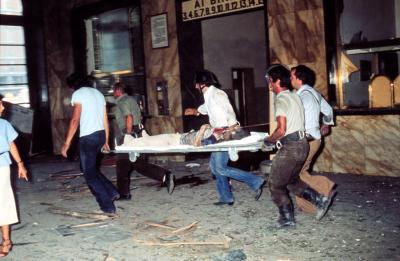
On the morning of 2 August a powerful timed explosive device detonated inside the station, collapsing part of the concourse and causing large numbers of casualties among waiting passengers. Emergency services, bystanders and medical teams struggled to cope with the devastation as bodies and wounded were removed and firefighting and search efforts continued through the day. The blast inflicted heavy structural damage and left a long-lasting scar on the urban fabric of Emilia-Romagna.
Perpetrators and judicial outcomes
An extremist neo‑fascist group called the Nuclei Armati Rivoluzionari (NAR) was held responsible for the bombing. After long investigations and a series of trials that extended across years, several members of the NAR were convicted in connection with the massacre. The judicial process also generated controversy and spirited debate over evidence, responsibility and the completeness of the inquiries.
Context and controversy
The attack took place during a turbulent period in modern Italian history marked by frequent political violence by both far‑right and far‑left militants — a period often labeled the Years of Lead. Allegations of collusion, cover‑ups and the involvement of shadowy networks or elements of the state were raised in subsequent investigations. Some inquiries examined possible links with broader covert operations; such matters remained the subject of political debate and inquiry for decades.
Impact, memory and significance
The massacre profoundly affected public life, national politics and victims' families. Annual memorial ceremonies are held on 2 August, and the names of the victims are commemorated by plaques and monuments at the station and around the city. The catastrophe prompted changes in emergency planning, security measures at transport hubs and policies to combat domestic terrorism in Italy. Survivors and relatives continue to seek full documentation and acknowledgment of the events surrounding the attack.
Notable facts
- Victims: 85 people were killed and over 200 wounded, making it the single deadliest terrorist incident in Italy’s republican era.
- Perpetrators: Responsibility was attributed to the far‑right Nuclei Armati Rivoluzionari; several members were later convicted.
- Legacy: The bombing remains a focal point in discussions about political violence, accountability and historical memory in contemporary Italy.
Questions and answers
Q: When did the Bologna massacre occur?
A: The Bologna massacre occurred on 2 August 1980.
Q: Where did the Bologna massacre take place?
A: The Bologna massacre took place at Bologna Centrale railway station in Bologna, Emilia-Romagna, Italy.
Q: Who was responsible for the Bologna massacre?
A: Nuclei Armati Rivoluzionari was responsible for the Bologna massacre.
Q: How many people were killed in the Bologna massacre?
A: 85 people were killed in the Bologna massacre.
Q: How many people were injured in the Bologna massacre?
A: Over 200 people were injured in the Bologna massacre.
Q: Is the Bologna massacre considered the most deadly terrorist attack in the history of Italy?
A: Yes, the Bologna massacre is considered the most deadly terrorist attack in the history of Italy.
Q: What was the objective of Nuclei Armati Rivoluzionari in carrying out the Bologna massacre?
A: It is not clear what the objective of Nuclei Armati Rivoluzionari was in carrying out the Bologna massacre.
Tags
Related articles
Author
AlegsaOnline.com Bologna massacre (1980) — bombing of Bologna Centrale railway station Leandro Alegsa
URL: https://en.alegsaonline.com/art/12793
Sources
- news.bbc.co.uk : Bologna blast leaves dozens dead