
Oliver Wolcott (1726–1797) — Signer and Connecticut leader
Oliver Wolcott was a Connecticut statesman who signed both the Declaration of Independence and the Articles of Confederation and played an active role in colonial and state government.
Oliver Wolcott was born on December 1 1726 and died on December 1, 1797. He is best known as one of the American Founding Fathers: Wolcott signed the Declaration of Independence and later added his name to the Articles of Confederation as a representative of Connecticut. His public life bridged the revolutionary era and the establishment of state institutions after independence.
Image gallery
5 Images
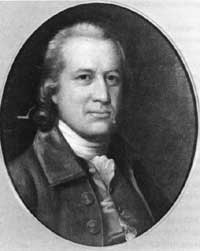

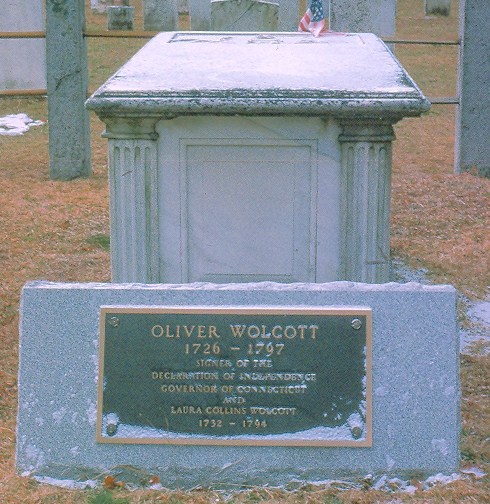

Overview and public role
Wolcott was a prominent Connecticut leader during the mid‑ to late‑18th century. He served in various colonial and state capacities, participating in legislative bodies and local governance. During the years of mounting conflict with Britain he joined committees and assemblies that coordinated resistance in New England and later represented Connecticut in the Continental Congress, where he was one of the signatories of key national documents.
Career and activities
Throughout his adult life Wolcott combined civic, military and administrative duties. He was active in the local militia and held public offices in his home colony, helping to organize supplies and personnel during the revolution. Like many colonial leaders, he moved between local responsibilities and national service, returning to Connecticut duties when called upon by his state.
Significance and legacy
Wolcott’s signature on both the Declaration and the Articles marks him among a small group of political figures who directly connected the revolutionary proclamation of independence with the earliest federal framework. His service helped Connecticut shape its post‑war government and legal order. The Wolcott family continued to be prominent: his son, also named Oliver Wolcott, achieved national office in the early Republic.
Notable facts
- He was one of the signers of two foundational American documents, linking revolutionary ideology to early national governance.
- Wolcott balanced military and civil service during a period when local leaders often filled multiple roles.
- His descendants and name have been associated with continued public service in Connecticut and at the federal level.
As with many figures of the era, Wolcott’s life illustrates how provincial elites moved from colonial institutions into roles that shaped the new United States. Further research in specialized historical works or archival records will provide more detail on his offices, military rank, and local initiatives during the Revolution.
Questions and answers
Q: Who is Oliver Wolcott?
A: Oliver Wolcott was a signer of the United States Declaration of Independence and also the Articles of Confederation as a representative of Connecticut.
Q: When was Oliver Wolcott born and when did he die?
A: Oliver Wolcott was born on December 1, 1726 and died on December 1, 1797.
Q: What did Oliver Wolcott do?
A: Oliver Wolcott was a representative of Connecticut who signed both the United States Declaration of Independence and the Articles of Confederation.
Q: What is the United States Declaration of Independence?
A: The United States Declaration of Independence is a document that declared the 13 American colonies free and independent from Great Britain.
Q: What are the Articles of Confederation?
A: The Articles of Confederation were the first written constitution of the United States, serving as the supreme law of the land from 1781 until 1789.
Q: What was Oliver Wolcott's role in American history?
A: Oliver Wolcott played an important role in American history as a founding father who helped create the United States Declaration of Independence and the Articles of Confederation.
Q: Which state did Oliver Wolcott represent in the Continental Congress?
A: Oliver Wolcott represented the state of Connecticut in the Continental Congress where he signed the United States Declaration of Independence and the Articles of Confederation.
Author
AlegsaOnline.com Oliver Wolcott (1726–1797) — Signer and Connecticut leader Leandro Alegsa
URL: https://en.alegsaonline.com/art/127873