
Oba Chandler: overview of the case, investigation, trial and legacy
Oba Chandler was convicted and executed in Florida for the 1989 murders of Joan Rogers and her two daughters. The case is notable for investigative methods, media coverage and its legal aftermath.
Oba Chandler (born October 11, 1946 in Cincinnati, Ohio; executed November 15, 2011 in Raiford, Florida) was an American man who was convicted of murdering three members of a single family in 1989. The killings and the subsequent investigation drew national attention because of the brutality of the crime, the investigative techniques used, and extensive media coverage.
Image gallery
7 Images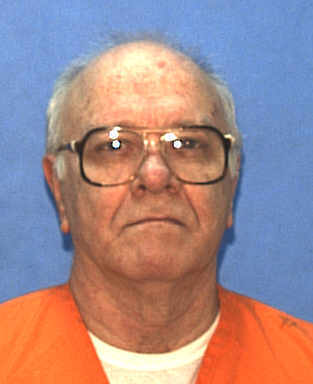


Crime and victims
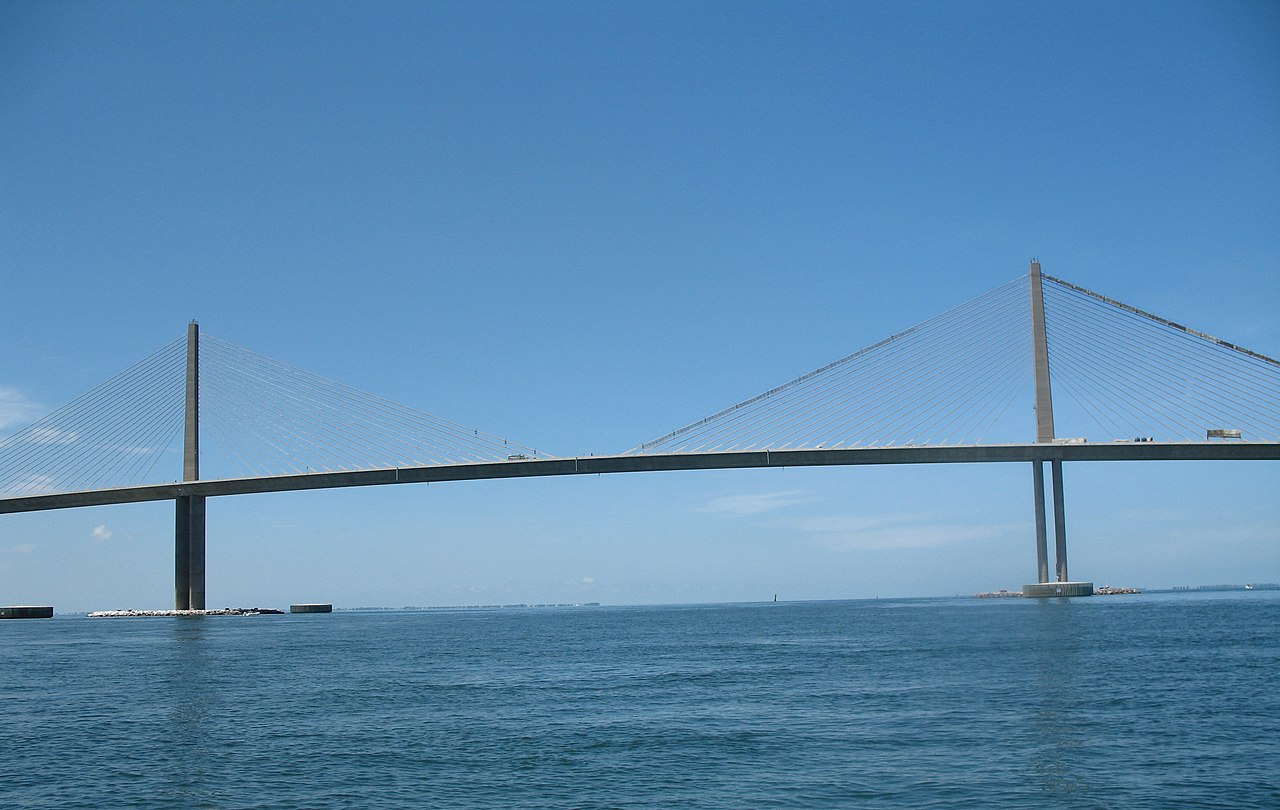
In June 1989 the bodies of a woman and her two teenage daughters were recovered floating in Tampa Bay. According to official accounts, the three had been bound and gagged and then weighted with concrete blocks and placed into the water. Investigators later reported that forensic testing indicated the victims had been assaulted prior to their deaths. The victims are widely identified in public records as a mother and her two teenage daughters; the case remains one of the most infamous homicides in the Tampa area.
Investigation
Law enforcement used a combination of traditional detective work and an unusual public outreach campaign to generate leads. Large roadside billboards displaying photographs of the victims and a sample of handwriting associated with the case were erected around Tampa to solicit tips. That billboard effort—at the time an uncommon use of mass advertising in a criminal inquiry—produced a tip that helped focus further inquiry on a particular suspect. Forensic comparisons of handwriting, physical evidence and testimony were central elements of the investigative file.
Arrest, trial and sentence
The man accused in public reports was arrested in September 1992 and later tried on multiple counts of murder. A twelve-member jury found him guilty; in November 1994 a judge imposed the death penalty. The method ordered by the court was lethal injection. During the years between conviction and execution the defendant remained in the Florida corrections system, including confinement at institutions in Florida, and pursued appeals and post‑conviction remedies that are typical in capital cases.
Aftermath and public response
Coverage of the murders and the trial prompted discussion about investigative innovation and the role of media in high-profile cases. Reporter Thomas French later wrote an extended series about the crime and its impact, a work that received the Pulitzer Prize for feature writing in 1998. The case also fueled debate over the death penalty, victims’ advocacy, and the use of public appeals such as billboards as an investigative tool.
Notable aspects and legacy
- The case is remembered for the use of conspicuous public advertising to solicit tips and for the role of handwriting and forensic evidence in linking a suspect to the crime.
- It illustrated how local law enforcement and media can interact to produce investigative leads, a model later studied and sometimes replicated in missing-person and homicide inquiries.
- Legal and ethical questions that arose during the lengthy appeals process brought attention to procedural safeguards in capital cases and to the long interval that often separates sentence and execution.
The story of the murders, investigation and court proceedings continues to be cited in discussions of criminal investigation techniques and capital-punishment policy. For further reading and primary-source accounts, consult published journalism and publicly available court records and archives.
Cincinnati | Ohio | Raiford | Florida | American | Convicted | Tampa Bay | Concrete blocks | Billboards | Suspect | Arrested | Jury | Lethal injection | Pulitzer Prize
Questions and answers
Q: Who was Oba Chandler?
A: Oba Chandler was an American convicted murderer who was executed in Florida for the murders of Joan Rogers and her two teenage daughters.
Q: When and where was he born?
A: Oba Chandler was born on October 11, 1946 in Cincinnati, Ohio.
Q: How were the victims found?
A: The victims' bodies were found floating in Tampa Bay, Tampa in June 1989. They had been bound and gagged and then tossed into the bay with concrete blocks tied to their necks while still alive.
Q: What method did investigators use to try to find the murderer?
A: Investigators used billboards that spread all over Tampa with pictures of the Rogers women and a picture of the hand-writing of the suspected triple murderer. This method had never been used before, and became useful in searches for missing people later on.
Q: When was Oba Chandler arrested?
A: Oba Chandler was arrested in September 1992.
Q: What happened at his trial?
A: At his trial, he was found guilty of the murders by a 12-member jury. In November 4, 1994 he was sentenced to death by a deadly injection by the judge in the case.
Q: What Pulitzer Prize did Thomas French win for his article series about this case?
A: Thomas French won a Pulitzer Prize for his article series Angels & Demons which told the story of these murders.
Author
AlegsaOnline.com Oba Chandler: overview of the case, investigation, trial and legacy Leandro Alegsa
URL: https://en.alegsaonline.com/art/127812