
Bolivian coriander (Porophyllum ruderale)
A pungent leafy herb used fresh in salsas and condiments across Mexico and South America. Known as pápalo or quillquiña, it is grown as an annual and has a sharp flavor likened to cilantro, arugula and rue.
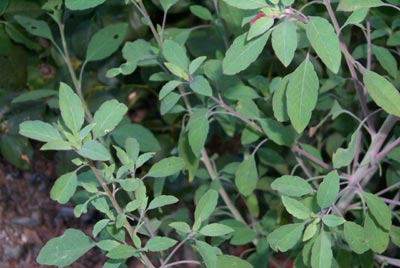
Bolivian coriander is the common name for Porophyllum ruderale, a fast-growing aromatic herb used primarily as a fresh seasoning. Although often called "coriander," it is not botanically related to true coriander; its culinary character comes from the volatile oils in its leaves and stems. The plant is generally cultivated as an annual and can reach about five feet in height with a spread near three feet when fully established.
Image gallery
2 Images
Characteristics
The leaves are the edible and flavorful portion of the plant. They are typically harvested fresh and added to dishes just before serving to preserve their pungent aroma. Many people describe the taste as somewhere between arugula, cilantro and rue, with a bright, peppery-green note that can be intense compared with common salad herbs. The vigorous habit and rapid growth make it easy to grow in warm climates and sheltered gardens.
Names and distribution
This herb is known by several vernacular names, reflecting its use across regions. Common alternatives include:
- quillquiña (also spelled quirquiña or quilquiña)
- pápalo or pápaloquelite
- killi and tepegua
It is widely cultivated and used in Mexico — see local culinary traditions in Mexico — and in various countries of South America where it appears in regional preparations; general information about its use in the Americas can be found via South America resources.
Uses and culinary tips
Bolivian coriander is most often eaten raw. Typical applications include salsas, fresh condiments for grilled meats and tacos, and as a finishing herb to brighten soups or stews. Because heat quickly dissipates its volatile compounds, it is usually stirred in at the end of cooking or used uncooked. For practical guidance on pairing and preparation, see general notes on seasoning and culinary use at seasoning guides.
Cultivation and traditional uses
Gardeners propagate the plant from seed or softwood cuttings and grow it in full sun with well-drained soil; in cooler climates it is treated as an annual. It flowers and reseeds readily where winters are mild. In traditional medicine across parts of the Americas, the herb has been used as a folk remedy for digestive complaints and to freshen breath, though robust clinical evidence for therapeutic effects is limited.
Distinctions and notable facts
Despite the English name "Bolivian coriander," this herb is distinct from coriander (cilantro); readers seeking botanical comparisons can consult sources about true coriander at coriander. Because of its strong, sometimes polarizing flavor, Bolivian coriander is prized in specific regional cuisines rather than as a universal substitute for milder leafy herbs.
Questions and answers
Q: What is Bolivian coriander?
A: Bolivian coriander is an annual plant whose leaves are used for seasoning food, having a taste described as a combination of arugula, cilantro, and rue.
Q: Where is Bolivian coriander commonly grown?
A: Bolivian coriander is commonly grown in Mexico and South America.
Q: How tall does fully grown Bolivian coriander get?
A: Fully grown Bolivian coriander can reach a height of about 5 feet and a diameter of 3 feet.
Q: What are some of the names for Bolivian coriander?
A: Some of the names for Bolivian coriander include quillquiña (also spelled quirquiña or quilquiña), killi, papalo, tepegua, and pápaloquelite.
Q: Is Bolivian coriander related to coriander?
A: Despite its name, Bolivian coriander is not botanically related to the coriander.
Q: How is Bolivian coriander used in cuisine?
A: Bolivian coriander is commonly used in salsas in Mexico and South America.
Q: Can Bolivian coriander be grown in other parts of the world?
A: Bolivian coriander can be grown in other parts of the world, but it is most commonly cultivated in Mexico and South America.
Related articles
Author
AlegsaOnline.com Bolivian coriander (Porophyllum ruderale) Leandro Alegsa
URL: https://en.alegsaonline.com/art/12776