
Norman Jay Coleman — American publisher and first cabinet-level U.S. Secretary of Agriculture
Norman J. Coleman (1827–1911) was an American lawyer, farmer, publisher and politician. Active in Missouri, he helped raise the Department of Agriculture to cabinet rank and is commonly cited as its first Secretary.
Overview
Norman Jay Coleman (May 16, 1827 – November 3, 1911) was an American lawyer, publisher, farmer and public official who became a prominent advocate for agricultural education and administration in the late 19th century. Through farming periodicals, state politics in Missouri and federal service, Coleman helped shape the institutional growth of agricultural policy in the United States and is commonly cited as the first person to hold the office of Secretary of Agriculture after the department acquired cabinet status.
Image gallery
2 Images
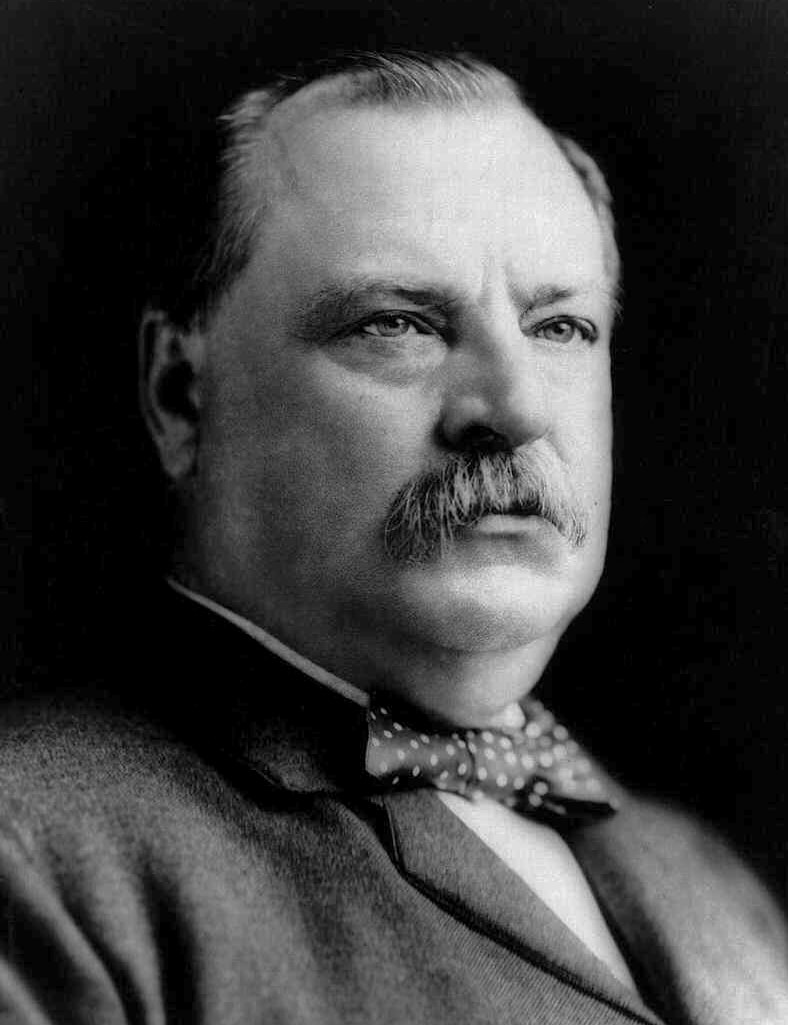
Early life and education
Coleman was born in Richfield Springs, New York, in 1827 to Hamilton and Nancy Coleman. He studied law and received a degree from the University of Louisville Law School in 1849. After completing his legal education he relocated to Missouri, where he combined farming with civic activity and established connections in rural communities that would form the base of his later work.
Publishing and agricultural advocacy
In 1855 Coleman founded the Valley Farmer, a regional agricultural newspaper that provided practical advice, market information and commentary for planters and smallholders. The Civil War disrupted many publications across border states and Coleman suspended that title during wartime. A few years after the conflict he returned to agricultural journalism with a new journal, Coleman’s Rural World, which continued his efforts to disseminate technical knowledge and organize farmers around common interests. His work in publishing made him a recognized voice in Missouri agricultural circles and helped him build networks of influence beyond the state.
Political career
Coleman was active in Missouri politics, serving in the state House of Representatives and later as Lieutenant Governor of Missouri from 1875 to 1877. In state office and through his publications he promoted agricultural education, agricultural societies and policies to support farmers. His political experience and his profile as an agricultural advocate positioned him as a candidate for national office when debates over the role of a federal agricultural agency intensified in the late 19th century.
Department of Agriculture and federal service
When the federal Department of Agriculture was elevated to cabinet rank in the late 1880s, Coleman was named to lead the department in its new status. Contemporary accounts note that his appointment occurred under the administration of President Grover Cleveland and that the Senate did not confirm his nomination. Regardless of that procedural outcome, Coleman is commonly referenced in historical summaries as the first person to serve in the cabinet position after the department gained cabinet-level recognition.
Later life and legacy
After his period of federal service Coleman returned to private life in Missouri but remained associated with agricultural interests. He continued to be remembered for bridging journalism, practical farming knowledge and public policy. Coleman was a member of fraternal organizations, including the Freemasons, and he died in 1911. Historians view his career as illustrative of how regional leaders and publishers could influence national institutions for agricultural research, education and administration in the post–Civil War United States.
Key facts
- Born: May 16, 1827, Richfield Springs, New York.
- Died: November 3, 1911.
- Education: Law degree, University of Louisville Law School (1849).
- Notable roles: Publisher (Valley Farmer, Coleman’s Rural World), Missouri legislator, Lieutenant Governor of Missouri (1875–1877), head of the Department of Agriculture when it attained cabinet rank.
- Other: Active in fraternal organizations; associated with agricultural advocacy and education.
Further reading and sources
Selected resources for further information and archival material:
- On Coleman and 19th-century agricultural publishing
- History of the United States Department of Agriculture
- University of Louisville Law School alumni records
- Missouri state history resources
- Studies of agricultural communities in the 1800s
- Contemporary accounts and correspondence
- Missouri legislative archives
- Civil War effects on regional newspapers
- Collections of agricultural periodicals
- Political history of Missouri
- Administrative history of the USDA
- Presidential administrations and cabinet changes
- Grover Cleveland era political context
- Fraternal organizations and public figures
Questions and answers
Q: When was Norman Jay Coleman born?
A: Norman Jay Coleman was born on May 16, 1827.
Q: Where did he receive his law degree from?
A: He received a law degree from the University of Louisville Law School in 1849.
Q: What newspaper did he start in 1855?
A: In 1855 he started the Valley Farmer newspaper.
Q: What position did he hold during the administration of President Grover Cleveland?
A: Under the administration of President Grover Cleveland, he served as the first Secretary of Agriculture.
Q: Was his position as Secretary of Agriculture confirmed by the United States Senate?
A: No, his position as Secretary of Agriculture was never confirmed by the United States Senate.
Q: What organization was Coleman a member of?
A: He was a member of the Freemasons.
Author
AlegsaOnline.com Norman Jay Coleman — American publisher and first cabinet-level U.S. Secretary of Agriculture Leandro Alegsa
URL: https://en.alegsaonline.com/art/127758