
Nina Simone: Singer, Pianist, Songwriter and Civil Rights Voice
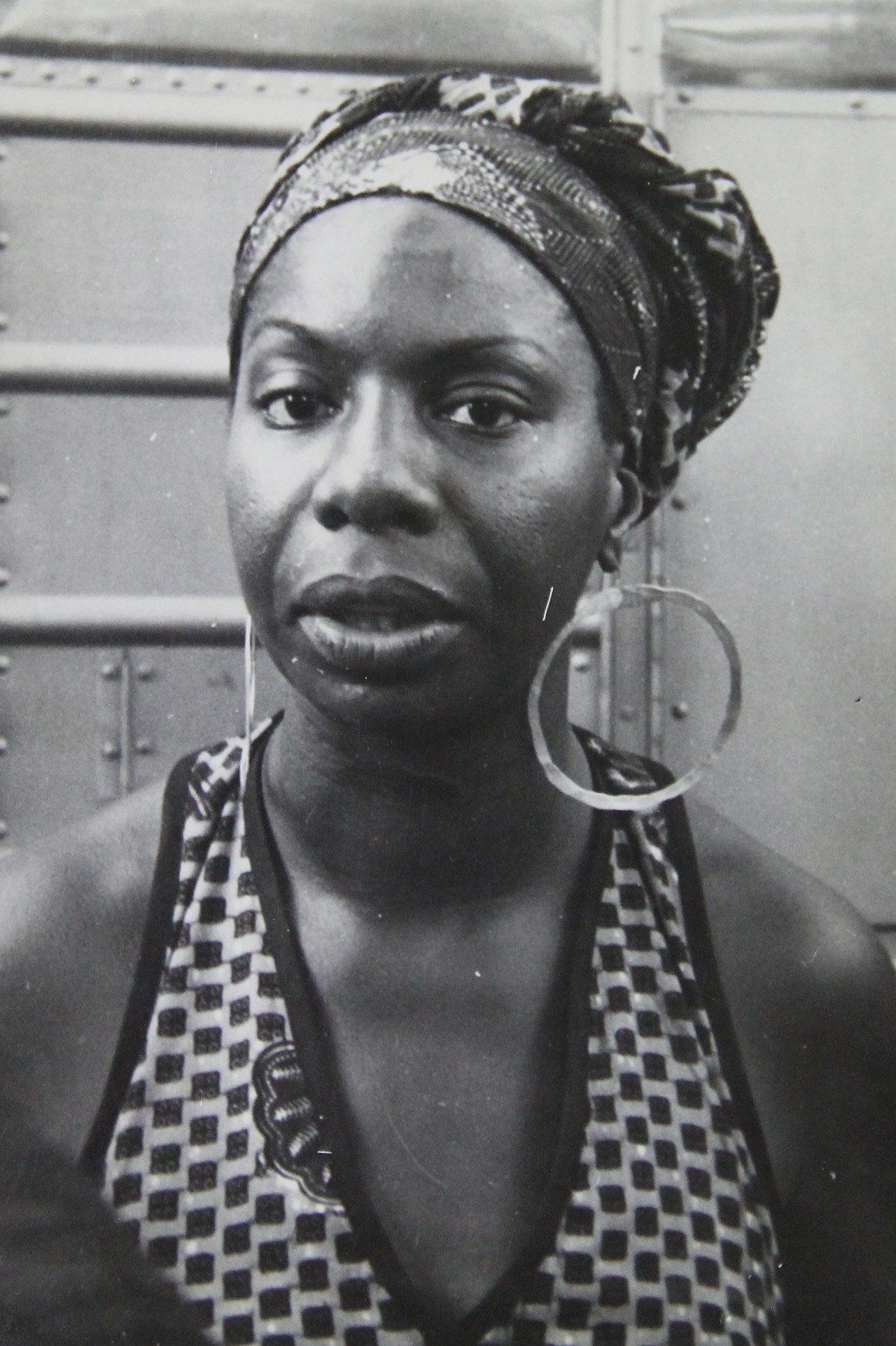
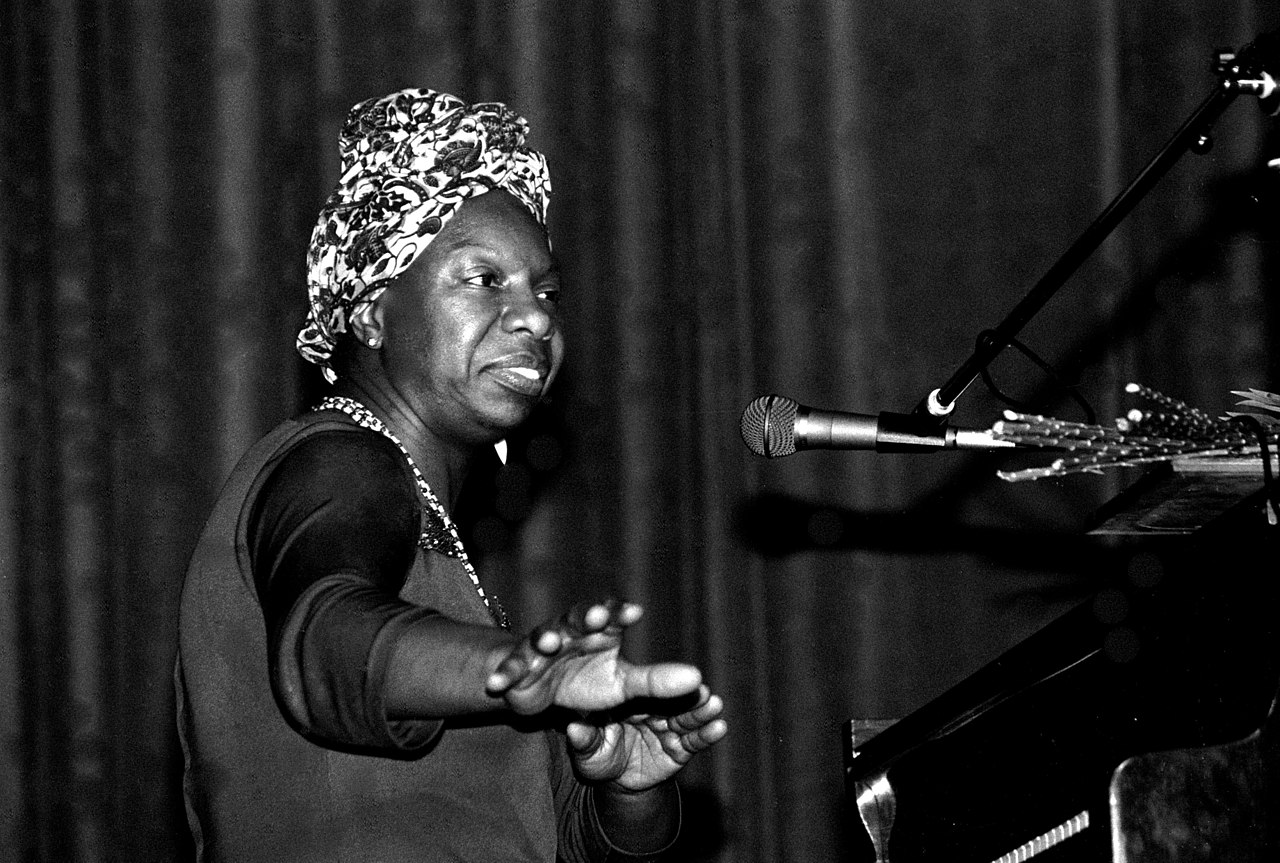
Nina Simone (Eunice Waymon, 1933–2003) was an American singer, pianist, songwriter and activist whose genre-defying work blended classical, jazz, blues and protest music.
Overview
Nina Simone (born Eunice Kathleen Waymon; February 21, 1933 – April 21, 2003) was an American singer, songwriter, pianist, arranger and a prominent civil rights activist. She resisted narrow labels and objected when others sought to classify her music, though commentators commonly associated her with particular genre categories such as jazz. Critics and fans also nicknamed her "The High Priestess of Soul."
Image gallery
10 Images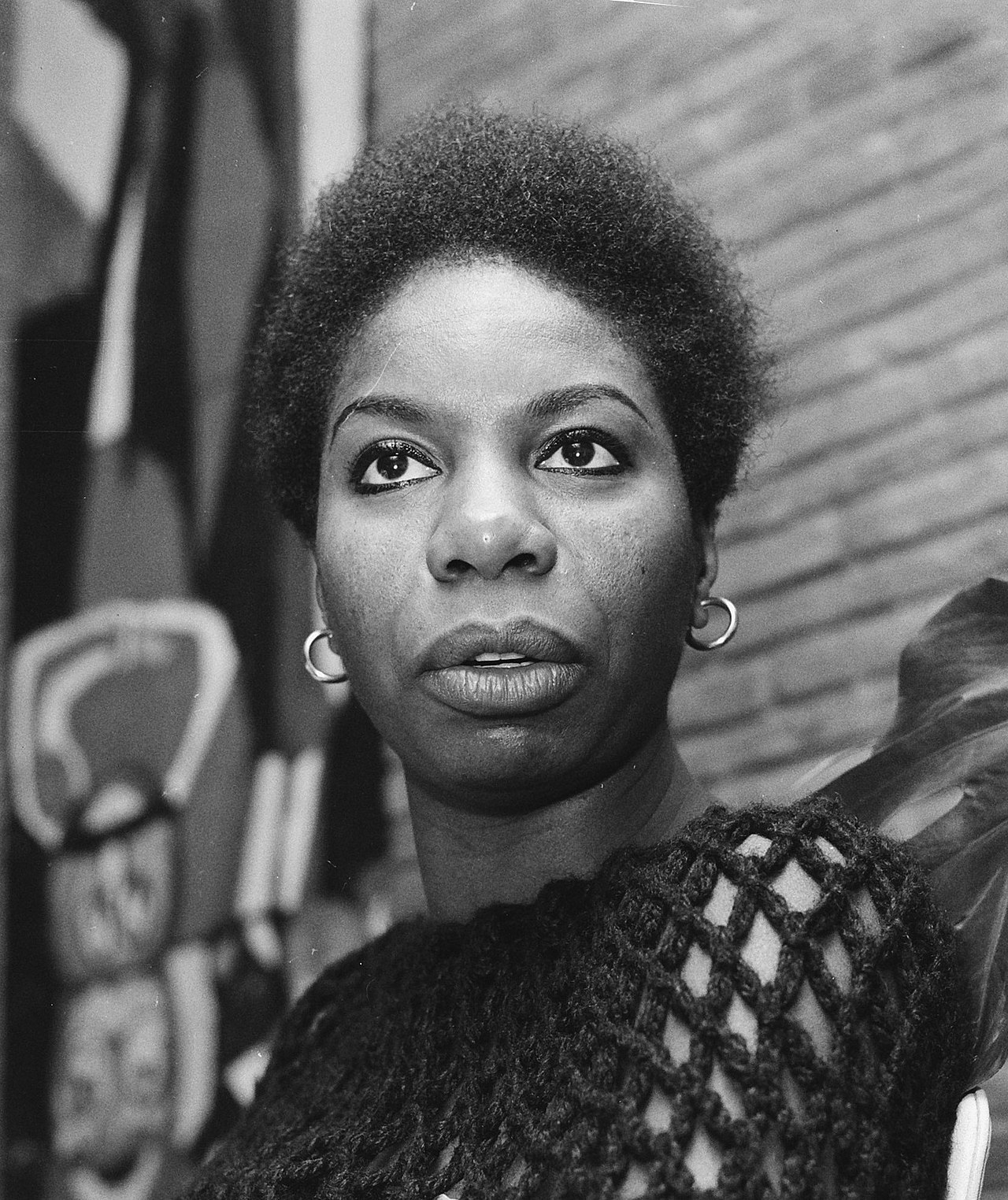



Early life and training
Raised in Tryon, North Carolina, Simone trained in classical piano from childhood and showed early promise. She aspired to a concert career and studied seriously as a young woman; an unsuccessful application to a major conservatory and limited financial opportunities redirected her path toward professional performance. Adopting the stage name Nina Simone, she began playing in nightclubs while preserving elements of her classical technique in public performance.
Rise to prominence and repertoire
Simone developed a broad repertoire that blended reworked standards, traditional songs, original compositions and adapted popular material. Her interpretations of pieces such as "I Put a Spell on You," "Feeling Good," "Sinnerman" and "Mississippi Goddam" showcased a wide emotional range and a distinctive pianistic approach: economy of phrase, dramatic timing and close interplay between voice and piano. She recorded prolifically for several labels and earned a reputation for expressive intensity and interpretive originality.
Musical style and influences
Her work combined elements of classical music, blues, gospel, folk and popular song. Simone drew on formal training to shape arrangements and to bring harmonic and rhythmic complexity to small-group and solo settings. She insisted that her music could not be neatly pigeonholed and often rejected attempts to define her solely as a genre artist.
Activism and political expression
During the 1960s Simone became increasingly identified with the civil rights movement. She used concerts and recordings to comment on racial injustice, producing songs that functioned as direct protest and personal testimony. Her outspokenness and politically charged material sometimes affected commercial opportunities but deepened her influence among activists and other artists.
Later life, recognition and legacy
Simone lived for extended periods outside the United States and continued to perform and record sporadically until her death in 2003. In later years her life and work attracted renewed attention through reissues, documentary film and the continuing influence of her style on singers, pianists and songwriters across genres. She is remembered for imaginative arrangements, emotional candor and a refusal to be confined by labels.
Notable facts
- Stage name: adopted to conceal nightclub work from family while pursuing classical goals.
- Musical identity: resisted being boxed into a single genre, embodying classical, blues and jazz impulses.
- Signature songs: "Mississippi Goddam," "I Put a Spell on You," "Feeling Good," and "Sinnerman."
- Political voice: used songwriting and performance as tools of protest within the civil rights struggle.
- Enduring influence: cited by contemporary artists for her interpretive daring and fusion of musical worlds.
Questions and answers
Q: Who was Nina Simone?
A: Nina Simone was an American singer, songwriter, pianist, arranger, and civil rights activist.
Q: What was Nina Simone's birth name?
A: Nina Simone's birth name was Eunice Kathleen Waymon.
Q: When was Nina Simone born and when did she die?
A: Nina Simone was born on February 21, 1933, and she died on April 21, 2003.
Q: How did people refer to Nina Simone?
A: People often referred to Nina Simone as "The High Priestess of Soul".
Q: Did Nina Simone identify with a specific music genre?
A: No, Nina Simone did not like people to classify her music or say what genre it fell into.
Q: Was Nina Simone involved in activism?
A: Yes, Nina Simone was also a civil rights activist.
Q: What was Nina Simone mainly known for?
A: Nina Simone was mainly known for her career as a singer, songwriter, and pianist.
Author
AlegsaOnline.com Nina Simone: Singer, Pianist, Songwriter and Civil Rights Voice Leandro Alegsa
URL: https://en.alegsaonline.com/art/127699