
Nicholas Roerich: Painter, Mystic and Advocate for Cultural Protection
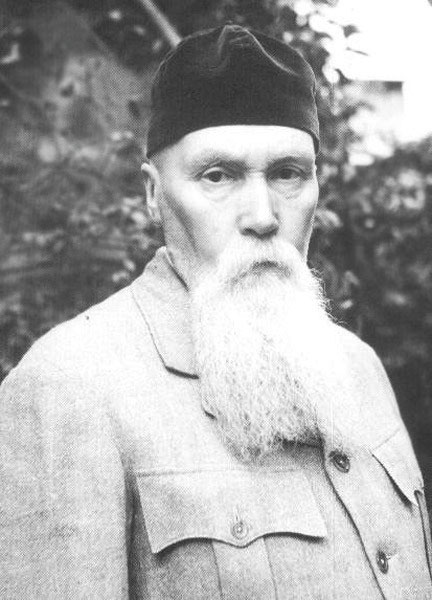
Nicholas Roerich (1874–1947) was a Russian-born painter, writer and spiritual thinker whose art, expeditions and cultural activism led to the Roerich Pact and lasting influence on cultural preservation and Himalayan art.
Nicholas Roerich (Nikolai Konstantinovich Rerikh; 1874–1947) was a multifaceted figure: an artist celebrated for luminous landscapes and Himalayan scenes, a writer and thinker engaged with Eastern spirituality, and a public advocate for the protection of cultural heritage. Roerich trained in the arts in late 19th- and early 20th-century Russia and achieved international recognition for works that blended vivid color, symbolic forms and a fascination with mountain landscapes.
Image gallery
10 Images




Artistic style and major themes
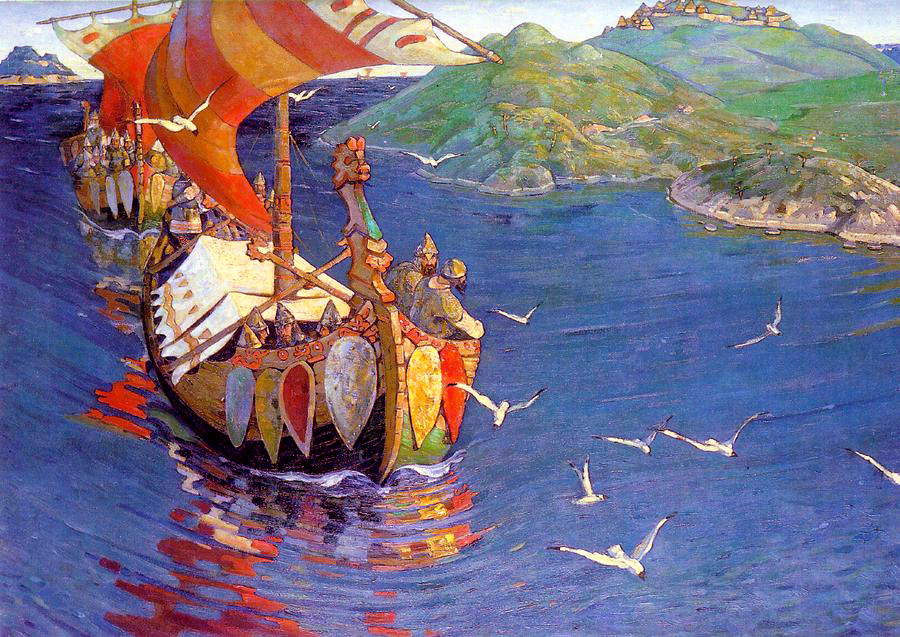
Roerich's religious and landscape paintings emphasize atmosphere, simplified forms and a palette that often favors deep blues, golds and reds. His canvases frequently portray Himalayan peaks, ancient ruins, and archetypal figures, giving them an aura of timeless myth. Many viewers and critics have described a meditative or trance-like quality in his compositions, a trait linked by some commentators to his interest in altered states and hypnosis. You can explore his paintings as well as his writings, which elaborate the spiritual and cultural ideas behind his imagery.
Life, travels and intellectual influences
Born in Saint Petersburg to a mixed family background, Roerich combined Western art training with sustained curiosity about Eastern thought. From the 1910s onward he led or joined expeditions across Central Asia and the Himalayas to study antiquities, local cultures and sacred landscapes. These journeys informed both his archaeological interests and the mystical themes of his later books. He and his wife, Helena, were associated with a modern spiritual movement known as Agni Yoga and engaged with theosophical circles that connected Western and Eastern esoteric traditions. In Russia and abroad some considered him an enlightener and public figure, while others treated his spiritual claims more skeptically; his reputation combined artistic acclaim with controversial spiritual leadership.
Advocacy and legacy
Roerich is widely remembered for an international cultural campaign that sought legal protection for art and monuments in wartime. His proposals culminated in the 1935 treaty known as the Roerich Pact, a pioneering agreement for safeguarding cultural property signed by the United States and many American republics. The visual emblem associated with this campaign, the Banner of Peace, remains a recognized symbol of cultural protection. Roerich's activism and public outreach—he has been described as an activist for cultural preservation—also led to multiple nominations for peace-related honors during his lifetime.
Works, institutions and continuing interest
Roerich's output includes hundreds of paintings, travel journals and collaborative philosophical texts. Institutions devoted to his art and ideas preserve his legacy, and his life continues to interest historians of art, religion and cultural policy. Some groups in his native country and internationally regard him as a cultural hero while others debate the spiritual claims that accompanied his work; nonetheless, Roerich's combination of artistic innovation and concrete legal achievement left a distinct mark on 20th-century cultural life. For context on his reception in Russia and elsewhere see discussions by Russian commentators and international scholarship.
- Notable themes: Himalayan landscapes, mythology, cultural heritage.
- Associated movements: symbolism, theosophy, Agni Yoga.
- Enduring contributions: Roerich Pact and the Banner of Peace; museum collections and ongoing exhibitions.
For further reading and images, consult museum catalogues, editions of Roerich's travel accounts and studies of cultural protection treaties, or follow online resources that collect his art and writings (paintings, writings). His life remains a crossroads of creative work, spiritual inquiry and practical advocacy for the protection of human cultural achievements.
Questions and answers
Q: Who was Nicholas Roerich?
A: Nicholas Roerich was a Russian painter, writer, archaeologist, and theosophist.
Q: How was Nicholas Roerich regarded in Russia?
A: Some people in Russia thought of him as an enlightener, philosopher, and public figure.
Q: What was Nicholas Roerich interested in?
A: Nicholas Roerich was interested in hypnosis and other spiritual practices.
Q: What is said about Nicholas Roerich's paintings?
A: His paintings are said to have hypnotic expression.
Q: Where was Nicholas Roerich born?
A: Nicholas Roerich was born in Saint Petersburg to a Russian mother and a Baltic German father.
Q: What cause did Nicholas Roerich fight for?
A: Nicholas Roerich was an activist for the preserving of art and architecture during war time.
Q: What is the Roerich Pact?
A: The Roerich Pact was signed into law in 1935 by the United States and most nations of the Pan-American Union and was named after Nicholas Roerich.
Author
AlegsaOnline.com Nicholas Roerich: Painter, Mystic and Advocate for Cultural Protection Leandro Alegsa
URL: https://en.alegsaonline.com/art/127567