
Nestor Basterretxea — Basque sculptor, painter and cultural figure
Overview of Nestor Basterretxea (1924–2014), Basque artist and public figure known for modernist sculpture, paintings and cultural leadership in the Basque Country.
Nestor Basterretxea Arzadun (6 May 1924 – 12 July 2014) was a prominent Basque artist whose work spanned sculpture, painting, film and public commissions. Born in Bermeo, in the province of Biscay, he became a leading figure in the post–World War II Basque avant-garde. During the 1950s and 1960s he worked in close creative proximity with other significant Basque artists, including Jorge Oteiza and Eduardo Chillida, and contributed to a regional movement that combined abstraction with local cultural themes.
Image gallery
6 Images



Artistic approach and themes
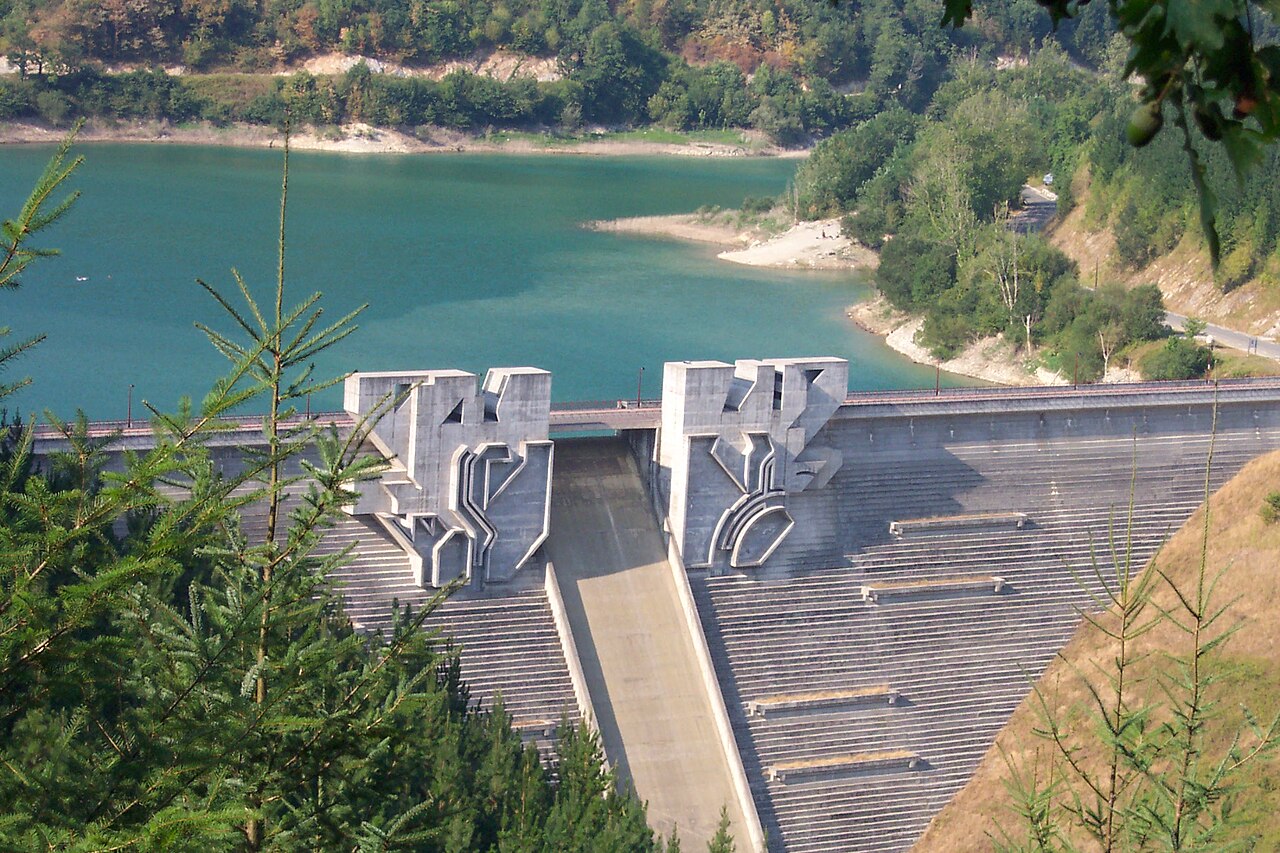
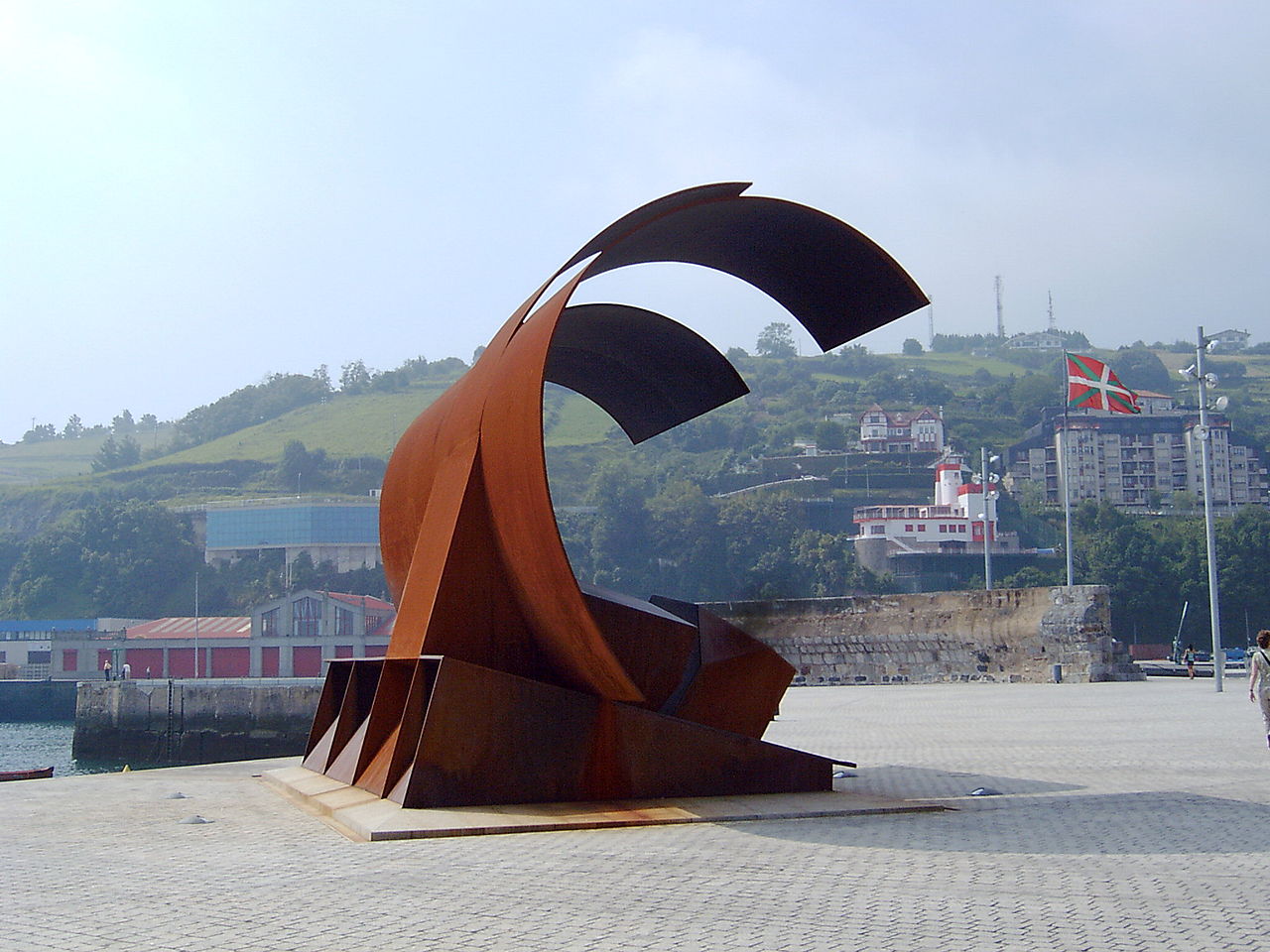
Basterretxea's practice moved fluidly between media. He produced freestanding and monumental sculpture, intimate paintings, and audiovisual projects, often exploring the tension between vernacular Basque subjects and modernist formal language. His works frequently reference rural life, seafaring traditions and collective memory, while employing simplified, geometric or biomorphic shapes. Public commissions from the 1970s onward made his work widely visible in urban landscapes, where his sculptures act as both landmarks and markers of identity.
Public roles and notable works
Beyond his studio practice, Basterretxea also served in public office: in the 1980s he was a Culture Councillor for the Basque Government for a two‑year term, a role in which he advocated for cultural institutions and heritage projects. Among his best known public sculptures are La Paloma de Paz (the Peace Dove), first installed on the Zurriola beach promenade in Donostia / San Sebastián and later relocated to a roundabout outside the Anoeta Stadium, and the Monument to the Basque Shepherd (1989), created to honour Basque emigrant shepherds and installed in Reno; the work has also been associated with displays and commemorations that reached audiences in other cities, including events connected with Atlanta Reno / Atlanta.
Selected works and roles
- La Paloma de Paz — public sculpture in Donostia / San Sebastián
- Monument to the Basque Shepherd (1989) — installation associated with Basque communities abroad
- Cultural leadership — Culture Councillor in the Basque Government (1980s)
- Collaborations and films — part of the Basque modernist circle with peers such as Oteiza and Chillida
Basterretxea's work is held in public spaces and in museum collections across the Basque Country and beyond. He is remembered for bridging regional themes and contemporary artistic methods, helping to shape a distinctive Basque modern art language that addressed identity without resorting to literalism.
Nestor Basterretxea died at his home in Hondarribia on 12 July 2014 at the age of 90. His legacy continues in the many public monuments and cultural initiatives that keep Basque history and aesthetics visible in everyday urban life.
Author
AlegsaOnline.com Nestor Basterretxea — Basque sculptor, painter and cultural figure Leandro Alegsa
URL: https://en.alegsaonline.com/art/127526