
Nerva — Roman emperor (reigned AD 96–98)
Overview of Marcus Cocceius Nerva, his rise from senatorial service, brief principate, adoption of Trajan, policies, and historical assessment.
Overview
Marcus Cocceius Nerva (8 November AD 30 – 25 January AD 98) served as Roman emperor from September AD 96 until his death in January AD 98. He assumed power after the assassination of Domitian and is best remembered for restoring a measure of senatorial authority, surviving a crisis with the Praetorian Guard, and making the pivotal choice to adopt Trajan as his successor.
Image gallery
10 Images

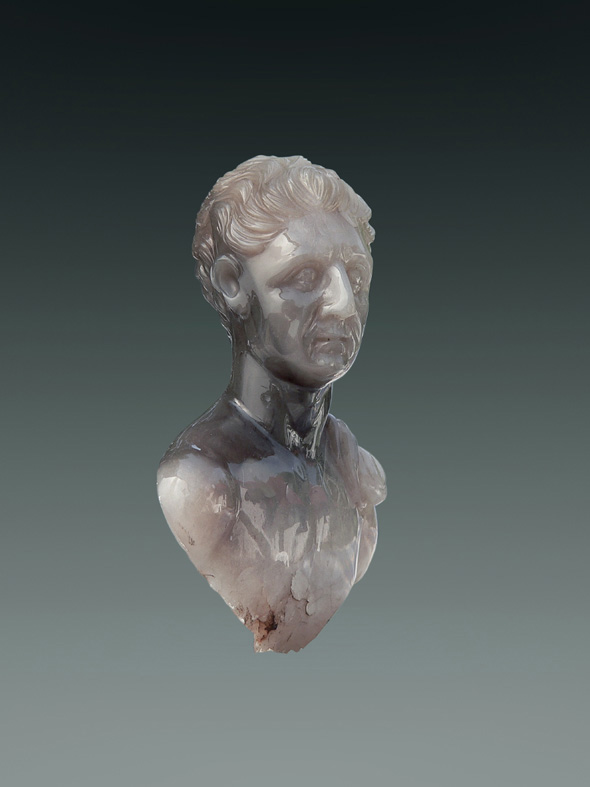


Early career and public life
Nerva came from an established senatorial family and spent most of his career in the service of the imperial court. He served under Nero and later under the Flavian emperors, gaining the trust of colleagues and patrons. Ancient accounts credit him with involvement in exposing the Pisonian conspiracy, and he held the consulship twice, in years when political experience mattered more than military command—first under Vespasian and later under Domitian, a mark of his standing in the Senate and the imperial administration (consulships).
Accession and initial aims
When Domitian was killed in a palace plot on 18 September AD 96, the Senate moved quickly to proclaim Nerva as emperor. The Senate's elevation reflected a desire for a less autocratic style of rule and a restoration of some traditional liberties curtailed under Domitian. Nerva publicly pledged to restore civil freedoms and to cooperate with the senatorial order as part of his effort to stabilize the Roman state and reverse abuses perceived in the previous reign (assassination, Senate, liberties).
Government, challenges, and measures
His rule was short and constrained by age and limited military authority. Nerva attempted modest administrative measures—seeking fiscal stability and making symbolic gestures to conciliatory governance—but he struggled to command the legions and their commanders. Relations with the army were strained from the start (army), and a serious disturbance by the Praetorian Guard in October AD 97 exposed the fragility of his power. In response to the crisis, and to avoid greater violence, he chose to adopt a strong military figure as heir.
Adoption of Trajan and succession
After consulting with advisors and weighing political realities, Nerva adopted the popular general Trajan. This decision defused immediate threats to Rome’s stability and ensured an orderly transfer of authority when Nerva died of natural causes after fifteen months on the throne. The peaceful succession marked the beginning of what later historians grouped as the Nerva–Antonine line (Nerva-Antonine dynasty).
Assessment and legacy
Contemporaries and later ancient writers often described Nerva as moderate, humane, and devoted to restoring senatorial dignity, an image preserved in many classical narratives (ancient historians). Modern scholars tend to balance praise with criticism, portraying him as well-meaning but limited by age, lack of military backing, and financial constraints—qualities that nearly brought the empire to a crisis in AD 97 (modern historians).
Notable actions and lasting importance
- Restoration of some senatorial prerogatives and a tone of moderation after an autocratic reign.
- Attempts at financial prudence and relief measures for urban dependents, though resources were scarce.
- The decisive political act of adopting Trajan, which secured succession and inaugurated a period of relative stability.
Nerva’s reign was brief but consequential: while his direct reforms were limited, his willingness to place the state’s continuity above personal power helped set a pattern of adoptive succession that defined imperial politics for several generations. For further reading on individuals and institutions mentioned here, see entries on Nero, the Flavians, the Praetorian Guard, and the later imperial period reflected in the Nerva-Antonine succession.
Questions and answers
Q: Who was Nerva?
A: Nerva was a Roman Emperor from 96 to 98. He was sixty-five years old when he became emperor, and had previously served under Nero and the Flavian dynasty.
Q: What role did Nerva play in exposing the Pisonian conspiracy of 65?
A: Under Nero, Nerva was a member of the imperial team and played a vital part in exposing the Pisonian conspiracy of 65.
Q: How did Nerva become emperor?
A: On 18 September 96, Domitian was assassinated in a palace conspiracy and on the same day, Nerva was declared emperor by the Roman Senate.
Q: What did Nerva vow to do as ruler of the Roman Empire?
A: As ruler of the Roman Empire, he vowed to restore liberties which had been cut during the autocratic government of Domitian.
Q: Why is his reign considered marred by financial difficulties and inability to assert authority over the army?
A: His brief reign was marred by financial difficulties and his inability to assert his authority over the Roman army due to lack of resources or support from other officials.
Q: Who did Nerva adopt as his successor?
A: After some deliberation, he adopted Trajan, a young and popular general, as his successor.
Q: How has recent historians' assessment of him changed compared to ancient historians'?
A: Recent historians have revised their assessment of him from wise and moderate emperor according to ancient historians', to well-intentioned but ultimately weak ruler whose reign brought Rome close to civil war.
Author
AlegsaOnline.com Nerva — Roman emperor (reigned AD 96–98) Leandro Alegsa
URL: https://en.alegsaonline.com/art/127524