
Nathaniel Wallich: Danish Surgeon and Botanist (1786–1854)
Nathaniel Wallich was a Danish-born surgeon and botanist who worked in India, helped develop the Calcutta Botanical Garden, assembled an extensive Asian herbarium, and is commemorated in many plant names.
Overview
Nathaniel Wallich FRS (28 January 1786 – 28 April 1854) was a Danish-born medical doctor and botanist who became a major figure in early 19th-century plant exploration in South Asia. Trained as a surgeon, he combined medical duties with systematic plant collecting and taxonomy, publishing catalogues and distributing specimens that shaped European knowledge of Asian flora. He is remembered both for his fieldwork and for the botanical collections he assembled and shared.
Image gallery
9 Images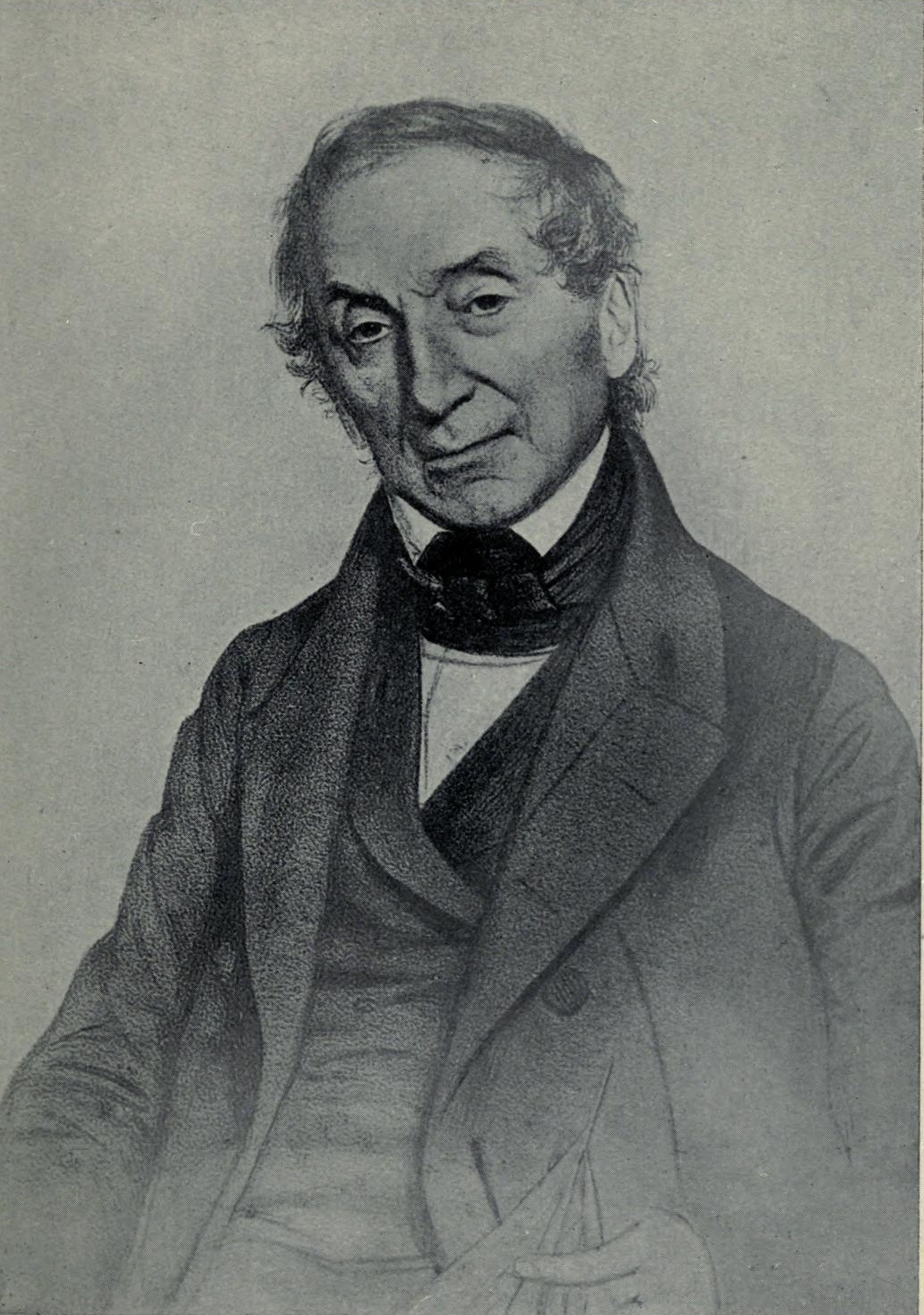




Early life and career
Born in what is now Denmark, Wallich traveled to India as part of a medical posting. He first served in the small Danish settlement near Calcutta, where he began formal botanical work. Later he accepted a position with the East India Company, which provided broader opportunities to collect plants across varied regions and to coordinate exchanges with European institutions.
Contributions and collections
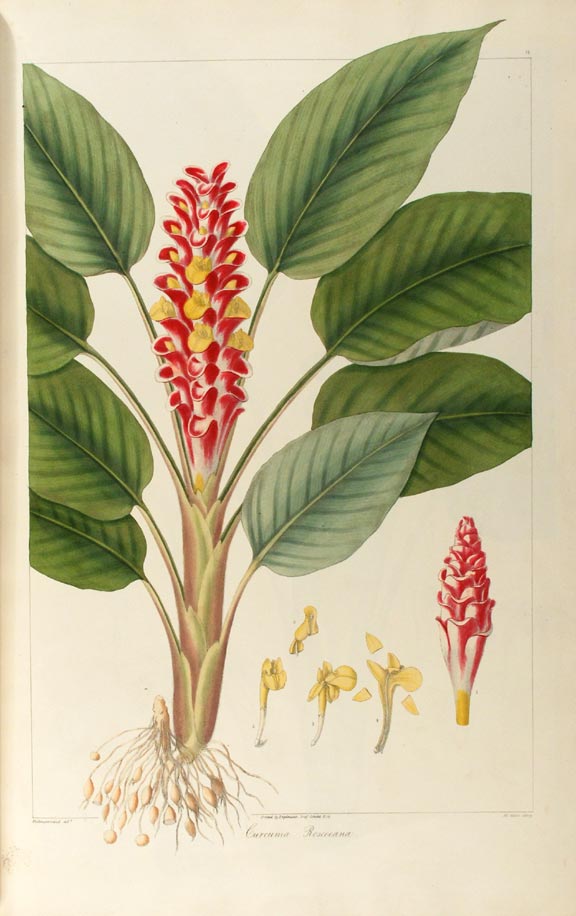
Wallich played a key role in the early development of the Calcutta Botanical Garden, helping to expand its living collections and to bring order to plant introductions. He created an extensive herbarium of Asian plants and prepared catalogues and lists that made those specimens accessible to botanists in Europe. Many duplicates were sent to museums and botanical gardens abroad, providing reference material for taxonomists and aiding the description of numerous new species.
Scientific impact and eponymy
Wallich described and collected many species from the Himalaya and other parts of Asia; he also coordinated specimen exchange and correspondence with contemporary naturalists. As a mark of his influence, several genera and many species carry names honoring him—most commonly the epithet wallichii or the genus name Wallichia. His name appears in botanical literature and in the nomenclature of Asian plants to this day.
Legacy and notable facts
- He is recorded as a Fellow of the Royal Society and recognized among 19th‑century plant collectors.
- Wallich's herbarium and catalogues became reference points for later floras and taxonomic work.
- Many botanical institutions preserved his specimens; duplicates were distributed to collections across Europe for study and safekeeping.
Nathaniel Wallich's combination of medical practice, field exploration, and institutional development helped to bridge Asian botanical knowledge and European science. For further reading, consult specialist biographies and historical treatments of colonial botanical gardens and 19th‑century plant exchange networks.
Further biographical resources | Denmark context | India botanical history | Danish settlements | East India Company | Calcutta Botanical Garden
Questions and answers
Q: Who was Nathaniel Wallich?
A: Nathaniel Wallich was a medical doctor and botanist from Denmark, who worked in India.
Q: What did Nathaniel Wallich do while in India?
A: Nathaniel Wallich worked in the Danish settlement near Calcutta and later for the East India Company in India.
Q: What was Nathaniel Wallich's contribution to the early development of the Calcutta Botanical Garden?
A: Nathaniel Wallich was involved in the early development of the Calcutta Botanical Garden, describing many new plant species and developing a large collection with copies that he gave to collections in Europe.
Q: How did Nathaniel Wallich's contributions to botany get recognized?
A: Several of the plants that Nathaniel Wallich collected were named after him.
Q: When was Nathaniel Wallich born?
A: Nathaniel Wallich was born on January 28, 1786.
Q: When did Nathaniel Wallich die?
A: Nathaniel Wallich died on April 28, 1854.
Q: What is FRS in Nathaniel Wallich FRS?
A: FRS stands for Fellow of the Royal Society, which Nathaniel Wallich was also known as.
Author
AlegsaOnline.com Nathaniel Wallich: Danish Surgeon and Botanist (1786–1854) Leandro Alegsa
URL: https://en.alegsaonline.com/art/127442