
Natalia Goncharova: Russian avant‑garde painter, designer and writer
Natalia Goncharova (1881–1962), a leading Russian avant‑garde artist, combined painting, illustration and theatrical design; influential in neo‑primitivism and Rayonism and known for bold stage costumes and sets.
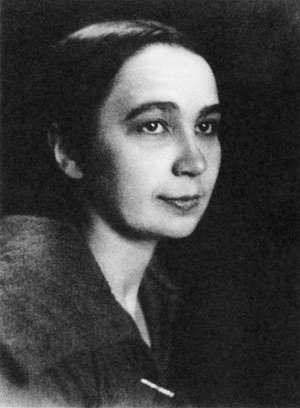
Natalia Sergeevna Goncharova (16 June 1881 – 17 October 1962) was a Russian artist whose work spanned painting, graphic art, book illustration, stage and costume design, and writing. A central figure in the early 20th‑century avant‑garde, she blended traditional Russian sources with currents from Western Europe, becoming associated with movements variously described as neo‑primitivism and Rayonism. Her long partnership with the painter Mikhail Larionov shaped much of her experimental practice and public activity.
Image gallery
10 Images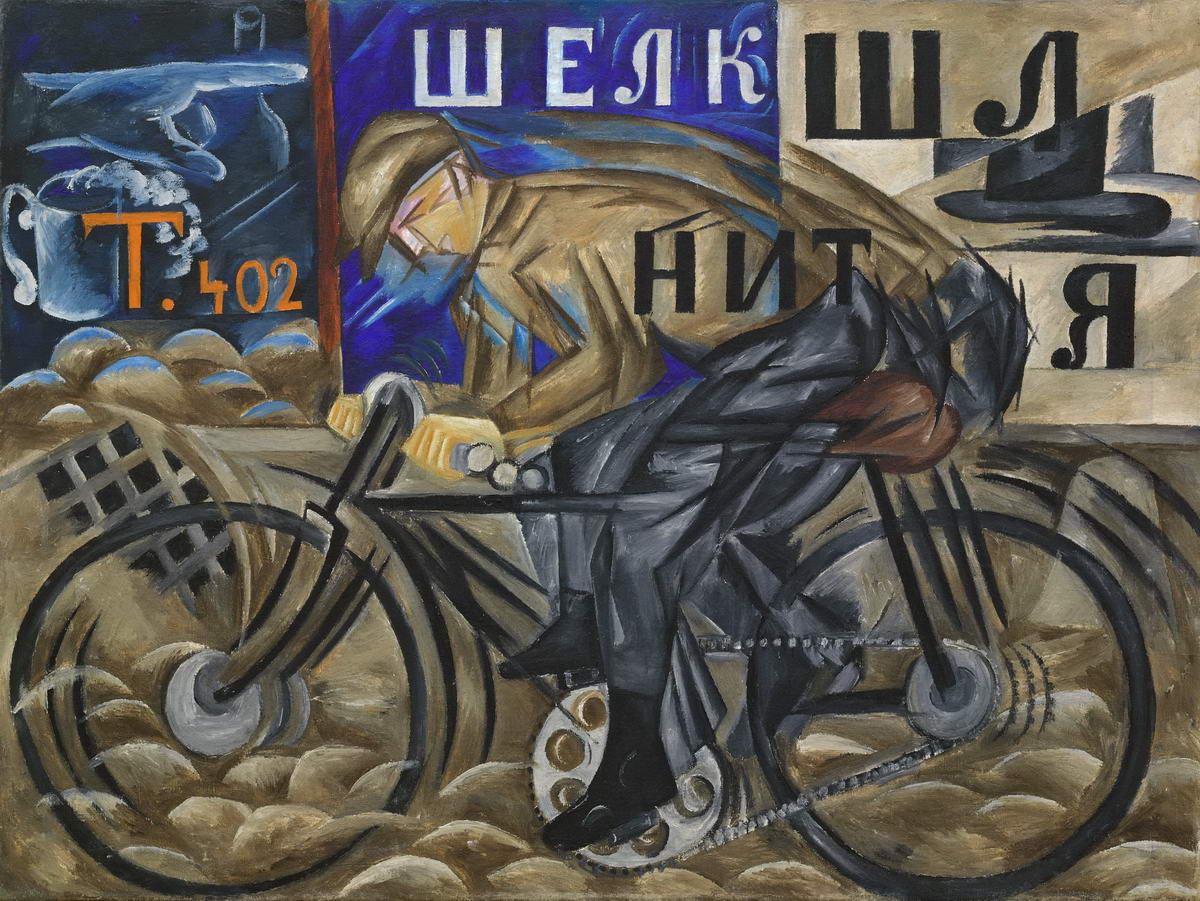




Early life and education
Goncharova trained in Moscow at the Moscow School of Painting, Sculpture and Architecture, where she absorbed academic fundamentals and responded critically to them. Early in her career she drew attention for works that reinterpreted Russian icons, peasant crafts and folk ornament, integrating simplified forms and strong color. These interests informed both her easel work and her graphic commissions.
Styles, media and influences
She worked across media: oil and watercolor painting, prints, book illustration and applied arts. Her visual language evolved through contact with European movements — elements of fauvism appear in her vivid color choices, planar construction recalls aspects of cubism, and her interest in motion and modern life reflects affinities with futurism. These influences were reshaped by an enduring engagement with Russian imagery, producing a distinctive synthesis rather than straightforward imitation.
Theatre, ballet and design
Goncharova is widely remembered for her stage work. She brought a painter's approach to the theatre, producing dramatic set and costume designs that emphasized color, silhouette and pattern. She collaborated with leading figures and companies of her time, including projects for Sergei Diaghilev's company and other modern productions in which her work helped redefine visual aspects of ballet and theatre. Her designs translated avant‑garde ideas into wearable forms and large‑scale scenic environments.
Writing, exhibitions and later life
Alongside visual practice she wrote on art and contributed to exhibitions that promoted new Russian directions. After leaving Russia in the 1910s she lived and worked in Paris, where she continued to exhibit, design and publish. Her career combined public commissions, gallery exhibitions and applied work, reflecting a modern impulse to bridge art and everyday life.
Legacy
Goncharova's reputation rests on both the originality of her paintings and the reach of her multidisciplinary practice. Her works are held in major museum collections and she is cited as an important influence on 20th‑century Russian modernism. Market interest and scholarly attention have grown in recent decades; one of her early still lifes, often titled "The Flowers," is notorious in auction histories for fetching a very high price, underscoring renewed attention to her oeuvre. For introductions to her work as a painter, a designer and a writer, consult museum catalogues and modern surveys of Russian art and performance design.
- Major themes: synthesis of folk and modern, bold color, theatricality.
- Media: painting, printmaking, illustration, set and costume design.
- Associations: early Russian avant‑garde groups and Parisian modern circles.
Questions and answers
Q: Who was Natalia Goncharova?
A: Natalia Goncharova was a Russian painter, designer, and writer.
Q: What art styles have influenced Goncharova's work?
A: Goncharova's art styles were influenced by fauvism, cubism, and futurism.
Q: In what area was Goncharova notable for her creations?
A: Goncharova was notable for her set and costume creations for ballet and theater.
Q: Does Goncharova hold a world record for the price paid for a work of art by a woman?
A: Yes, Goncharova holds the world record for the price paid for a work of art by a woman.
Q: What is the name of the painting that sold for a record price?
A: The painting that sold for a record price is Goncharova's 1912 still-life The Flowers.
Q: How much was the record amount paid for Goncharova's painting?
A: The record amount paid for Goncharova's painting was $U.S. 10.8 million.
Q: When was Natalia Goncharova born and when did she die?
A: Natalia Goncharova was born on June 16, 1881, and she died on October 17, 1962.
Author
AlegsaOnline.com Natalia Goncharova: Russian avant‑garde painter, designer and writer Leandro Alegsa
URL: https://en.alegsaonline.com/art/127416