
Napoléon III (Louis‑Napoléon Bonaparte)
French statesman who served as the first President of the Second Republic and later Emperor of the Second French Empire; known for authoritarian rule, economic modernization, and defeat in the Franco-Prussian War.
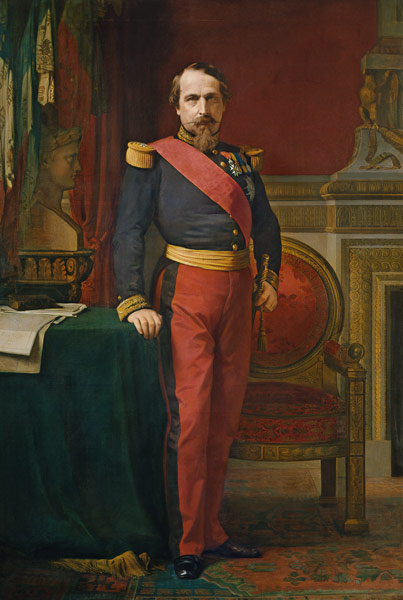
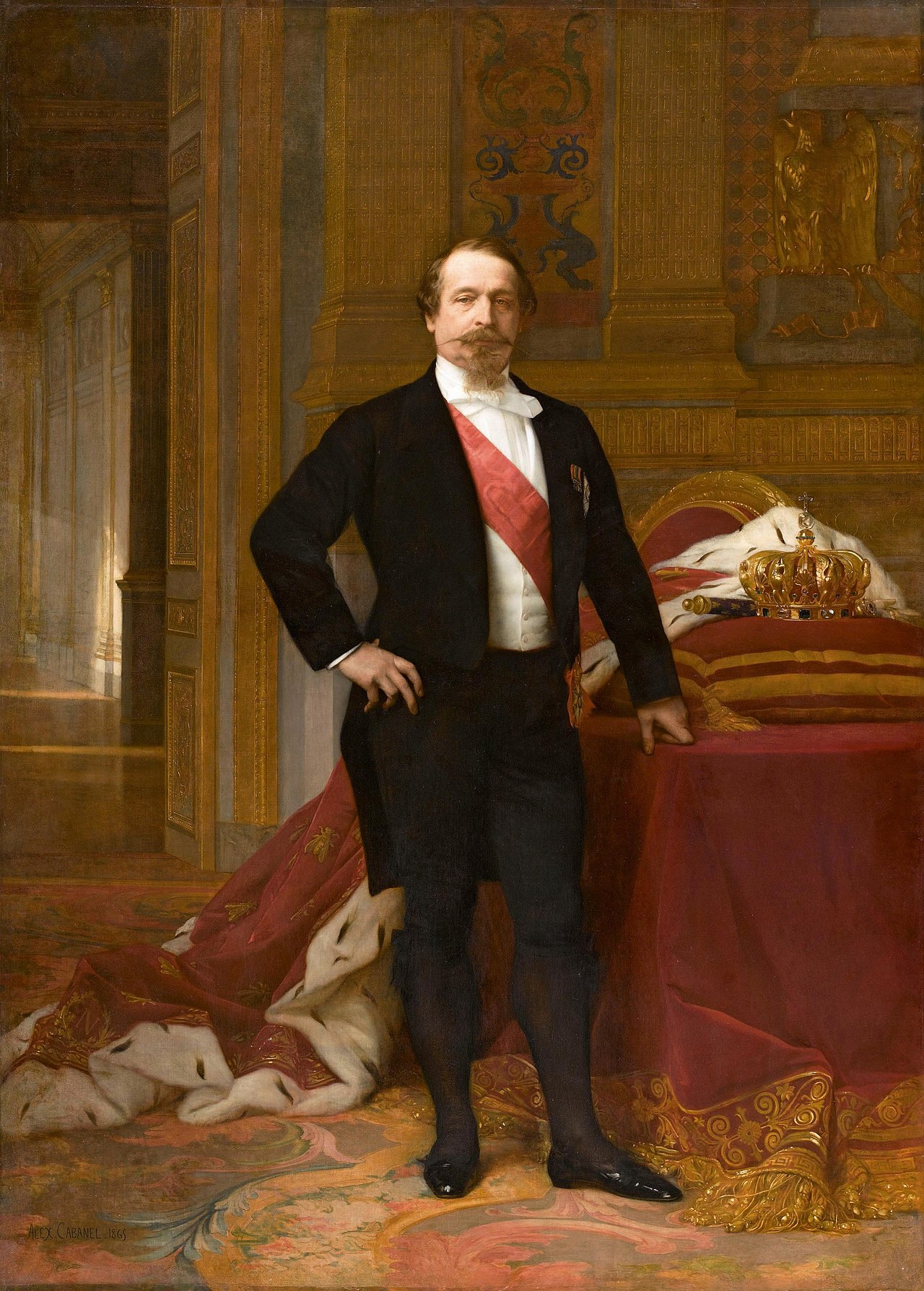
Napoléon III, born Charles-Louis Napoléon Bonaparte (1808–1873), was a central figure in mid-19th century French politics. He became the first president of the renewed French Republic by popular vote and later restored the imperial title, ruling as Emperor of the French. His career combined popular legitimism linked to his uncle's name, authoritarian government, and ambitious programs of economic development and urban transformation.
Image gallery
10 Images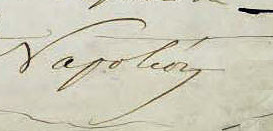



Rise to power
After years of exile and failed plots, Louis‑Napoléon returned to prominence following the 1848 revolution. Elected president by universal male suffrage, he consolidated his position through a coup d'état on 2 December 1851 and proclaimed himself emperor the following year. His ascent from elected head of state to monarch crossed the boundary between republican institutions and dynastic rule: he was both the first President of the French Republic (presidency) and later the last monarch of modern France (monarchy), exercising power from the imperial capital over metropolitan France and its global interests.
Domestic policy and modernization
Domestically, his regime combined centralized control with active state encouragement of industrial and infrastructural development. He promoted railroad expansion, new banking institutions, and policies intended to stimulate commerce and investment. He also undertook major urban renewal, commissioning wide boulevards, public parks, and extensive rebuilding in the capital that reshaped urban life. Press laws, political repression and plebiscites were tools used to manage opposition early in his rule; later decades saw limited liberalization.
Major reforms and institutions
- Infrastructure: railways, ports, and telegraph expansion.
- Urban planning: large-scale renovation of Paris and other cities.
- Economic policy: support for industry, credit institutions, and free-trade treaties.
- Political mechanisms: plebiscites, centralized administration, and controlled liberal reforms.
Foreign policy and conflicts
On the international stage he pursued an assertive but sometimes unpredictable course. His government intervened in Crimea and supported Italian unification while also engaging in a costly expedition in Mexico. The emperor sought to restore French influence overseas but faced shifting alliances. His rule ended after a decisive defeat and capture by Prussian forces during the conflict commonly known as the Franco-Prussian War, an event that precipitated the collapse of the imperial government.
After defeat and exile, his legacy became contested. Supporters credit him with economic modernization, state-led improvements in infrastructure, and an enduring transformation of urban life. Critics point to authoritarian methods, risky foreign adventures, and the ultimate military failure that ended imperial rule. His tenure remains a key episode in the transition from revolutionary-era politics to modern European nation-state governance.
Questions and answers
Q: Who was Napoléon III?
A: Napoléon III was the first President of the French Republic and the last monarch of France.
Q: What was Napoléon III's real name?
A: Napoléon III's real name was Louis-Napoléon Bonaparte.
Q: How did Napoléon III become president?
A: Napoléon III became president by popular vote in 1848.
Q: When did Napoléon III become an emperor?
A: Napoléon III ascended to the throne on 2 December 1852.
Q: Whose anniversary did Napoléon III ascend to the throne on?
A: Napoléon III ascended to the throne on the forty-eighth anniversary of his uncle, Napoleon I's, coronation.
Q: How long did Napoléon III rule as the Emperor of France?
A: Napoléon III ruled as the Emperor of France until September 1870.
Q: What happened to Napoléon III during the Franco-Prussian War?
A: Napoléon III was captured in the Franco-Prussian War.
Author
AlegsaOnline.com Napoléon III (Louis‑Napoléon Bonaparte) Leandro Alegsa
URL: https://en.alegsaonline.com/art/127403