
Naiyyum Choudhury: Bangladeshi Biochemist and Nuclear Regulator
Biographical overview of Naiyyum Choudhury (1944–2019), a Bangladeshi biochemist who led the country's nuclear regulatory authority, participated in IAEA regional cooperation, and served in the Bangladesh Academy of Sciences.
Overview
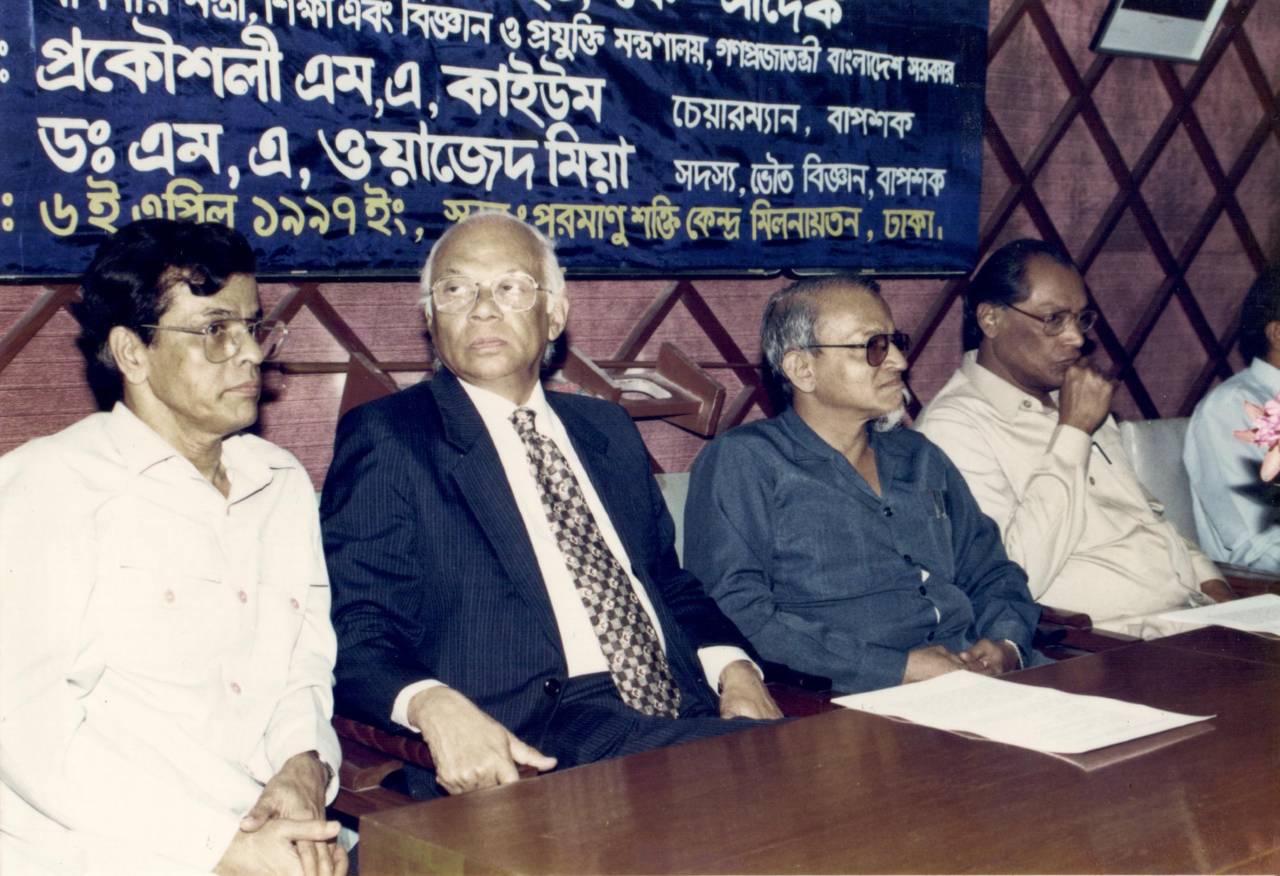
Naiyyum Choudhury (27 September 1944 – 7 September 2019) was a Bangladeshi biochemist and science administrator known for his role in developing nuclear regulation and scientific institutions in Bangladesh. Trained as a life scientist, he combined technical expertise with public service to shape regulatory frameworks, promote research cooperation across Asia, and support national scientific capacity building.
Image gallery
5 Images


Career and areas of work
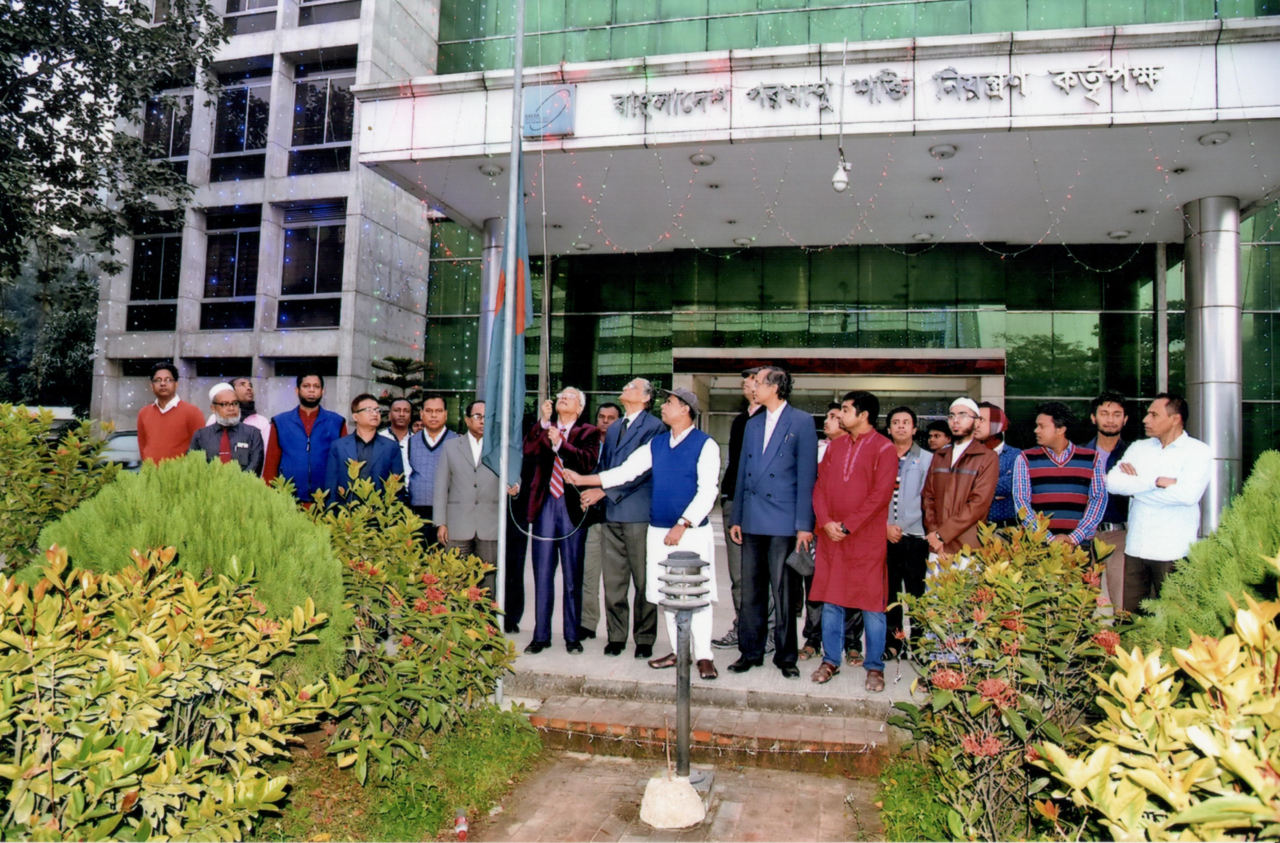
Choudhury's professional work bridged biochemistry and the safe use of nuclear technology. He became the founding chairman of the Bangladesh Atomic Energy Regulatory Authority (BAERA), the independent agency responsible for licensing, inspection, radiation protection, and enforcement of nuclear safety standards in Bangladesh. As the head of BAERA he helped establish procedures for oversight of medical, industrial and research applications of ionizing radiation and for ensuring public and environmental protection.
Leadership and international engagement
Beyond national duties, Choudhury was active in regional and international cooperation. He served as chairperson of the IAEA Regional Cooperative Agreement (RCA) for Asia and the Pacific, through which countries coordinate research, development and training related to nuclear science and technology. In these roles he emphasized capacity building, harmonization of regulatory practices, and the peaceful uses of nuclear techniques in health, agriculture and industry.
Academic service and recognition
Choudhury was a long-standing member of the Bangladesh Academy of Sciences (BAS). He was elected a fellow of the academy in 2000 and served as a vice president of BAS, contributing to the promotion of scientific scholarship, policy advice and outreach. His career combined laboratory-level scientific understanding with institutional leadership, and he mentored younger scientists and regulators.
Legacy
Choudhury is remembered for establishing regulatory foundations that support the safe use of nuclear technology in Bangladesh and for promoting regional collaboration under the auspices of the IAEA. His work helped introduce systematic inspection, licensing and safety culture in sectors using radiation, and reinforced the role of national science academies in advising public policy. For further information about his career and contributions, see additional resources.
Author
AlegsaOnline.com Naiyyum Choudhury: Bangladeshi Biochemist and Nuclear Regulator Leandro Alegsa
URL: https://en.alegsaonline.com/art/127364