
Nadezhda Krupskaya — Bolshevik revolutionary, educator and librarian
Nadezhda Krupskaya (1869–1939) was a Russian Bolshevik, Lenin’s wife, and a leading figure in Soviet education and library development who championed literacy, teacher training and public libraries.
Overview
Nadezhda Konstantinovna Krupskaya (26 February 1869 – 27 February 1939) was a prominent Russian revolutionary and an influential educator in the early Soviet state. She is best known for her long partnership with Vladimir Lenin and for shaping Soviet policies on schooling, adult education and librarianship. Her political life combined party activism with practical work to increase literacy and access to books for children and adults alike. For the Russian-language form of her name see Russian, and for the Old Style date conventions see O.S. dating.
Image gallery
9 Images
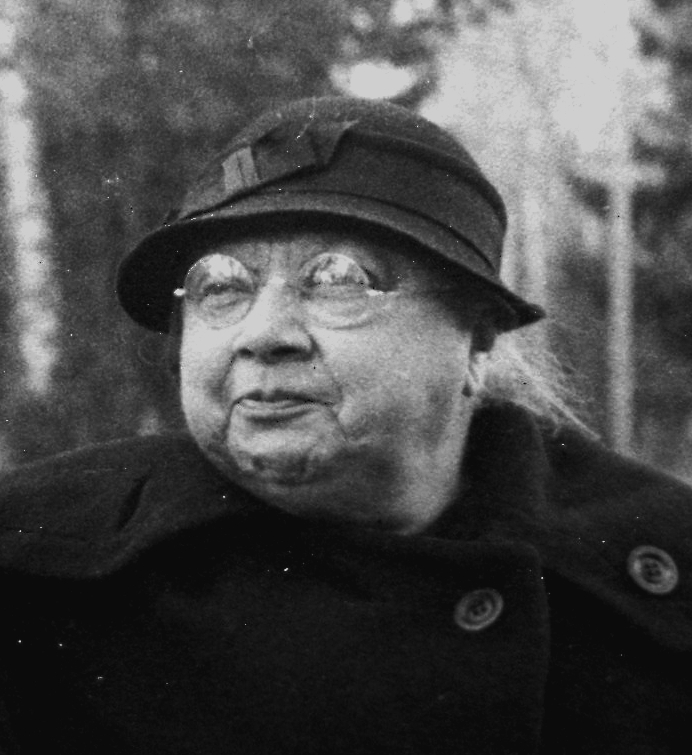
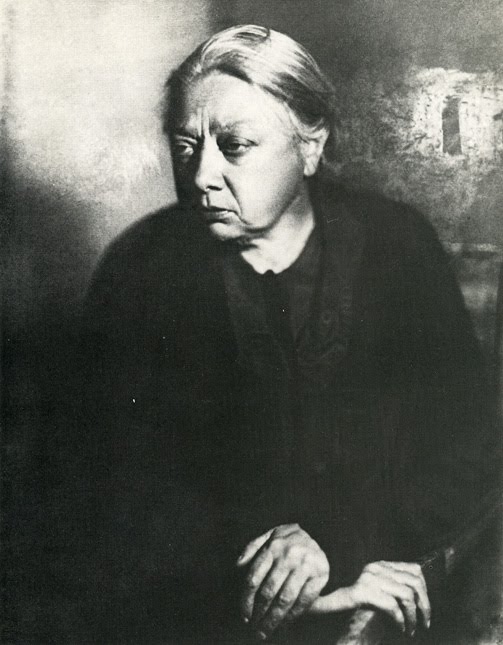


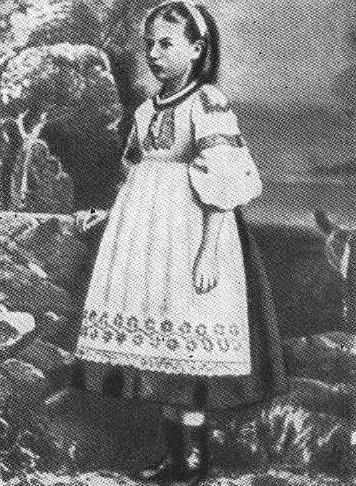
Early life and education
Born into a family of the minor nobility that had fallen on hard times, Krupskaya trained as a teacher and developed a lasting interest in pedagogy. Her professional background in education informed much of her later work: she understood schooling not only as political preparation but as a way to improve everyday life for the poor and working class. It was in Marxist circles and study groups that she deepened her political views; she joined discussions with other socialists and became active in underground networks associated with the Marxist movement. She trained and worked as a teacher, and that training remained central to her identity.
Revolutionary activity and marriage to Lenin
Krupskaya met Vladimir Lenin at a Marxist meeting; both were committed to revolutionary change and soon became life partners. After Lenin’s arrest and internal exile, she was permitted to accompany him only after they married, an arrangement that combined personal attachment and the constraints of tsarist policing. Their relationship has been variously described as deeply loyal and also practical under difficult circumstances. Krupskaya herself continued clandestine activity before and after their exile, and she suffered the same legal pressures and restrictions as many party activists, including episodes of exile to remote regions such as Siberia.
Role after 1917: education, libraries and policy
Following the 1917 events she became a visible figure in Soviet cultural and educational policy. She held posts within the new apparatus and worked to expand literacy campaigns, worker education and the development of public libraries. As a deputy education commissar in later years she influenced teacher training, the production of textbooks and the organization of libraries as instruments of public education. Her writings and administrative work argued that libraries should serve both children and adults and should be central to raising literacy and political awareness after the 1917 Revolution.
Political positions and later career
In the early 1920s Krupskaya took sides in intra-party disputes. Between roughly 1922 and 1925 she sided with a grouping that opposed Leon Trotsky’s position, aligning at times with figures such as Stalin and the coalition around Zinoviev and Kamenev against Trotsky and the Left Opposition. Over time her views diverged from Stalin’s policies, particularly as the party moved toward centralized control of cultural life. She continued to hold responsibilities linked to education and libraries and remained a respected voice for professional librarianship and schooling until the late 1930s.
Contributions, writings and legacy
Krupskaya left a legacy as one of the architects of Soviet education and public libraries. She advocated integrated approaches to primary schooling, adult education and library services, emphasizing practical pedagogy and broad access to reading materials. Her published essays and directives on library organization and teacher training were influential in the interwar Soviet Union. Historically she is remembered both as Lenin’s partner and as an independent activist whose work shaped how a revolutionary state attempted to teach and inform its citizens. For further context and archival references see linked resources: Bolshevik context, Lenin, language note, teaching, Marxism, exile practices, Siberian exile, 1917 events, Stalin, Zinoviev and Kamenev, Trotsky, calendar.
- Main roles: revolutionary activist, educational administrator, librarian advocate.
- Notable themes: literacy campaigns, teacher training, public libraries as civic institutions.
- Historical note: remembered for both political activity and practical contributions to Soviet cultural policy.
Questions and answers
Q: Who was Nadezhda Konstantinovna Krupskaya?
A: Nadezhda Konstantinovna Krupskaya was a Russian Bolshevik and the wife of Vladimir Lenin.
Q: What did Krupskaya do for a living?
A: Krupskaya trained to be a teacher, and later had a strong influence over the Soviet educational system and the development of Soviet librarianship.
Q: What is her family background?
A: Krupskaya was born into an impoverished noble family.
Q: How did she meet Lenin?
A: She met Lenin at one Marxist discussion group.
Q: When were they married?
A: They were married when Lenin was exiled to Siberia, in order for her to join him there.
Q: Was their marriage one of convenience or loyalty?
A: Though it could suggest a marriage of convenience, they remained loyal throughout their marriage.
Q: What political stance did she take during 1922-1925?
A: During this period, she aligned with Stalin, Zinoviev and Kamenev against Trotsky's Left Opposition.
Author
AlegsaOnline.com Nadezhda Krupskaya — Bolshevik revolutionary, educator and librarian Leandro Alegsa
URL: https://en.alegsaonline.com/art/127349