
Mumia Abu-Jamal: activist, journalist, and contested conviction
Biography and overview of Mumia Abu-Jamal, his background as an activist and journalist, the conviction and appeals in the killing of a Philadelphia police officer, his writings from prison, and the global controversies.
Overview
Mumia Abu-Jamal (born Wesley Cook on April 24, 1954) is an American political activist and journalist whose conviction for the shooting death of Philadelphia police officer Daniel Faulkner in 1981 made him a focal point of international debate. Before his arrest he was involved with community activism and had been associated with the Black Panther movement while working as a taxi driver and reporter. His case drew widespread attention because it raised questions about race, capital punishment, and the fairness of criminal trials in the United States. For biographical context see profiles of his activism.
Image gallery
7 Images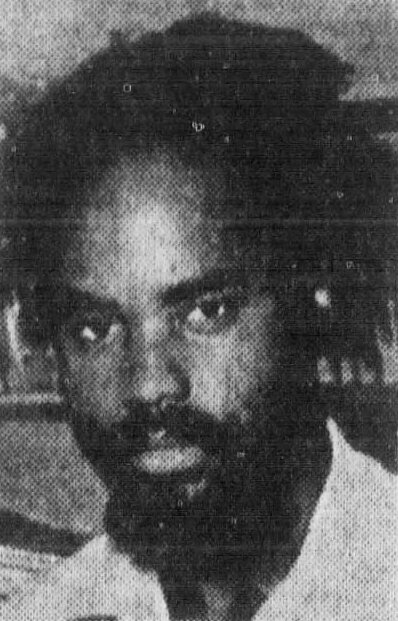


Background and early life
Raised in Philadelphia, Abu-Jamal became politically active in the 1970s and worked as a journalist covering urban affairs and police issues. He has described his early experiences with the Black Panther organization and later community work; others emphasize his role as a local cab driver and freelance writer. Those aspects of his life are often referenced together: his political engagement (Black Panther ties), his work driving cabs (taxi driver), and his reporting for local media outlets.
Incident, conviction, and sentencing
In December 1981 Officer Daniel Faulkner was killed in Philadelphia during an encounter that also involved Abu-Jamal. Abu-Jamal was tried and convicted of the killing and was sentenced to death. Supporters and legal observers have repeatedly contested aspects of the investigation and trial, while prosecutors and many in law enforcement maintain the conviction was lawful. The case is often discussed in broader conversations about the death penalty (capital punishment) in the United States. Contemporary accounts place the shooting in Philadelphia (city), in the state of Pennsylvania (state); some reports and legal documents refer specifically to the shooting of Daniel Faulkner (case details).
Legal appeals and prison status
Abu-Jamal's legal team filed numerous appeals challenging jury instructions, evidence handling, and the adequacy of counsel. Over the years courts have reviewed aspects of the case and the death sentence. His punishment has been subject to retrials and resentencing proceedings that drew national attention. He has spent decades in Pennsylvania correctional facilities and has been held at institutions such as State Correctional Institution Greene (penal location) among others.
Writings, media, and activism from prison
While incarcerated, Abu-Jamal continued to write and to speak through commentaries and recordings that were syndicated or circulated by supporters. His most widely cited work from prison is the collection Live from Death Row, and he contributed numerous essays and radio-style commentaries that critics and supporters used to press competing narratives about race, justice, and punishment. His output helped transform his case into a cause celebrated by anti–death penalty activists, civil rights groups, and some international organizations.
Controversy, public response, and legacy
The Abu-Jamal case remains polarizing. Supporters argue that racial bias, flawed police investigation, inadequate defense, and improper jury conduct undermined the fairness of the trial. Opponents assert that the evidence and subsequent rulings support the conviction and emphasize the victim and the rule of law. The debate has involved legal scholars, human rights advocates, musicians, artists, and political figures, and has prompted protests, petitions, and cultural works in his name.
Key issues raised in public debate
- Questions about how the original investigation and eyewitness accounts were handled.
- Claims of ineffective legal representation and claims of procedural errors during trial.
- Broader arguments about the application of the death penalty and racial disparities in criminal justice.
- Ongoing disagreements about credibility of new or disputed evidence.
The case of Mumia Abu-Jamal continues to be studied as one of the most prominent and contested criminal prosecutions in recent American history, intersecting issues of race, media, punishment, and civic activism. For more perspectives, readers can consult legal analyses, contemporary news coverage, and collected writings by Abu-Jamal and his supporters.
Questions and answers
Q: Who is Mumia Abu-Jamal?
A: Mumia Abu-Jamal is an American activist who was convicted and sentenced to death for the 1981 murder of police officer Daniel Faulkner in Philadelphia, Pennsylvania.
Q: What was Mumia Abu-Jamal's background before his arrest?
A: Before his arrest, Mumia Abu-Jamal was a Black Panther Party activist, taxi driver, and journalist.
Q: What has Mumia Abu-Jamal done while in prison?
A: While in prison, Mumia Abu-Jamal has continued his efforts as an activist, as well as publishing several books and commentaries, notably Live from Death Row.
Q: Why is Mumia Abu-Jamal a controversial figure?
A: Mumia Abu-Jamal is a controversial figure because supporters and opponents disagree on whether it is right for him to receive the death penalty, if he is guilty, or if he received a fair trial.
Q: Where is Mumia Abu-Jamal currently imprisoned?
A: Mumia Abu-Jamal is currently a prisoner at State Correctional Institution Greene near Waynesburg, Pennsylvania.
Q: Has Mumia Abu-Jamal's legal appeals been settled?
A: No, as of 2008, Mumia Abu-Jamal's legal appeals are still unsettled.
Q: What is one of Mumia Abu-Jamal's notable works?
A: One of Mumia Abu-Jamal's notable works is Live from Death Row, a commentary that he published while in prison.
Author
AlegsaOnline.com Mumia Abu-Jamal: activist, journalist, and contested conviction Leandro Alegsa
URL: https://en.alegsaonline.com/art/127302