
Mu'izz ad‑Din Muhammad Ghori: Ghurid ruler and founder of Muslim power in northern India
Biography and impact of Mu'izz ad‑Din Muhammad (Muhammad of Ghor), his conquests, administration, death and legacy as a key figure in the establishment of medieval Muslim rule in South Asia.
Overview
Mu'izz ad‑Din Muhammad, commonly called Muhammad of Ghor, was a leading figure of the Ghurid dynasty in the late 12th and early 13th centuries. Often styled in sources by his Persian name and titles, he became the effective sultan-figure for Ghurid expansion beyond the Iranian plateau. His campaigns from bases in present‑day central Afghanistan and northern India set patterns of conquest and governance that shaped the history of the Indian subcontinent for centuries.
Image gallery
10 Images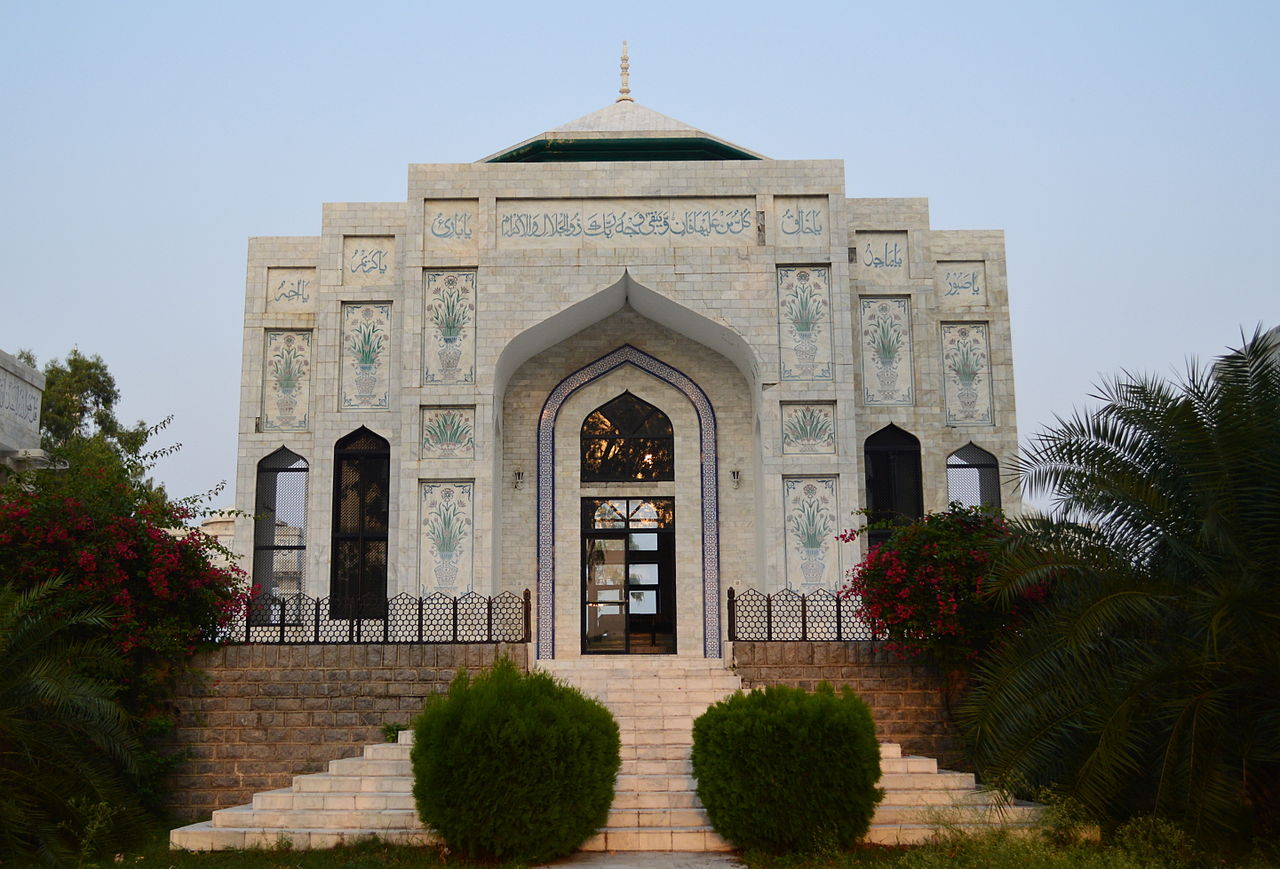


Origins and rise to power
Born in the mid‑12th century into a Turkic‑Persianized ruling family of the Ghor region, Muhammad rose to prominence alongside his brother Ghiyath ad‑Din. The brothers shared power: Ghiyath focused on western frontiers while Muhammad led eastern campaigns. Early in his career he secured the city of Ghazni and used it as a staging ground for further campaigns. From these centres he projected authority across a broad zone that touched areas now in Afghanistan, Iran and into the plains that later became parts of north India and Pakistan.
Military campaigns and expansion
From the 1170s onward Muhammad conducted multiple raids and sieges that brought important cities and regions under Ghurid control. His conquests included the capture of Ismaili‑held strongholds, frontier principalities and former Ghaznavid territories. Major actions attributed to his leadership include:
- Seizing Ghazni and reestablishing it as a power base for eastern operations (Ghazni).
- Taking the southern Punjab cities such as Multan and Lahore, which opened routes into the Gangetic plains.
- Campaigns against Ismaili positions and other local rulers (Ismailis).
- Supporting his brother’s struggles in Khorasan and influence across Khorasan and wider Western Asia.
These operations extended Ghurid influence into regions that today include parts of Tajikistan, Turkmenistan, Uzbekistan and even areas of southern Kazakhstan, though control varied by time and locality.
Administration and institutions
Rather than a single centralized state, the Ghurid realm under Muhammad consisted of a network of garrisons, delegated commanders and urban centres where Persian administrative practices mixed with local customs. He relied on military slaves and freedmen, a common practice of the period, to staff key posts; one such lieutenant, Qutb al‑Din Aibak, later became the first ruler of the Delhi territories established on Ghurid foundations. The use of military households (referred to in sources by terms such as Mamluk) and appointed deputies helped sustain rule across culturally diverse lands.
Death, succession and historical significance
Muhammad’s career ended abruptly when he was killed in 1206 near the Jhelum river. Contemporary accounts report that his death was the result of an assassination in the region of Jhelum. After his death the Ghurid domains fragmented under competing commanders and external pressure; within a few decades the political map of the region was significantly altered by new dynasties, including later Turco‑Mongol polities such as the Timurids in parts of Central Asia.
Legacy and notable facts
Muhammad of Ghor is widely credited in South Asian histories as a principal architect of long‑term Muslim political presence in northern India. His conquests created the conditions for successor regimes and paved the way for the establishment of dynasties centered in Delhi. He fought both former Ghaznavid elites associated with Mahmud of Ghazni and local rulers, and in the process reshaped regional politics. Modern assessments emphasize both his military skill and the contingent, often rapidly changing nature of medieval frontier rule.
For further structured study, readers can consult overview studies of the Ghurid dynasty and regional histories that place Muhammad’s career in the wider context of post‑Ghaznavid and pre‑Mongol Eurasian politics. Primary and archaeological sources continue to refine our understanding of exactly how the Ghurid state functioned and how its legacy survived in later institutions.
Persian form of the name | Regions referenced: Bangladesh, Afghanistan, Iran.
Questions and answers
Q: Who was Mu'izz ad-Din Muhammad Ghori?
A: Mu'izz ad-Din Muhammad Ghori (Persian: معز الدین محمد غوری) was a sultan of the Ghurid Empire who ruled from 1173 to 1202 along with his brother Ghiyath ad-Din Muhammad and then again from 1202 to 1206. He is also known as Muhammad of Ghor and Shihab ad-Din.
Q: What did Mu'izz do in 1173?
A: In 1173, Mu'izz took the city of Ghazni from Mahmud of Ghazni in order to avenge the death of his ancestor Muhammad ibn Suri. He used this city as a base for expansion into northern India.
Q: What other conquests did he make?
A: In addition to taking the city of Ghazni, Mu'izz captured Multan from the Ismailis in 1175, and also took Uch that same year. He occupied the principality of Lahore in 1186 as well.
Q: How long did he rule?
A: Mu'izz ruled over a large part of subcontinent for about 33 years, from 1173 to 1206.
Q: Who succeeded him after his death?
A: After his assassination near Jhelum by Ismaili assassins in 1206, there was struggle among the remaining Ghuri leaders before Khwarizmi eventually took over the Sultanate around 1215.
Q: What impact did he have on Indian history?
A: Mu’izz laid the foundations for Muslim rule in India and Qutbu l-Din Aibak, one of his former slaves (Mamluk), became the first Sultan of Delhi following his death.
Author
AlegsaOnline.com Mu'izz ad‑Din Muhammad Ghori: Ghurid ruler and founder of Muslim power in northern India Leandro Alegsa
URL: https://en.alegsaonline.com/art/127292