
Muhammad Habibur Rahman
Bangladeshi jurist and public servant (1928–2014) who briefly served as Chief Justice and as the first Chief Advisor of the 1996 caretaker government.
Overview
Muhammad Habibur Rahman (3 December 1928 – 11 January 2014) was a prominent Bangladeshi jurist and public figure known for his short but notable roles at the highest levels of the judiciary and transitional government. He served as chief justice of the Supreme Court of Bangladesh for a brief period in 1996 and was appointed as the first Chief Advisor of a caretaker government during the same year. His public service is often cited in discussions of judicial leadership and non‑partisan stewardship of elections.
Image gallery
1 Image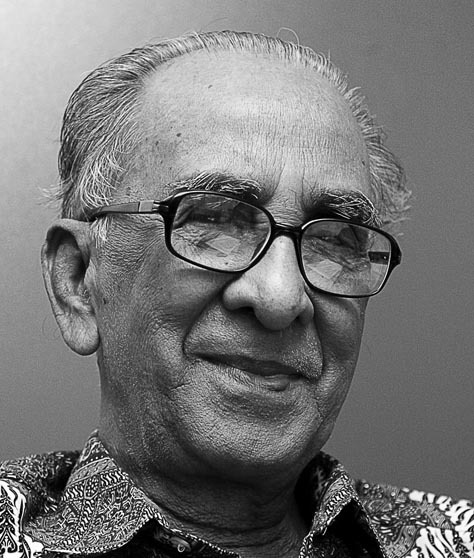
Judicial career
Rahman had a long career in the legal profession before reaching the apex of the judiciary. He is best known for his tenure as chief justice of the Bangladesh Supreme Court from 31 March to 23 June 1996. Although his time as chief justice was short, the position placed him at the head of the country's highest court and responsible for overseeing judicial administration and upholding constitutional law. For more on his judicial record, see the judicial profile or historical listings of Bangladesh's highest courts at judicial records.
Caretaker government and 1996 transition
In 1996 Rahman was appointed as the first Chief Advisor of a caretaker government charged with supervising a neutral, interim administration to oversee elections. The caretaker concept in Bangladesh was intended to allow an impartial authority to manage state affairs during an election period so that voters could choose without direct influence from the incumbent political leadership. Rahman's appointment as a non‑partisan jurist reflected a practice of selecting respected legal figures for such custodial roles; contemporary accounts and summaries of the 1996 transition discuss his month‑long stewardship and its role in the broader electoral process (background).
Contributions and significance
Beyond the narrow dates of office, Rahman's career illustrates the crossover between the judiciary and temporary governance arrangements in countries that adopt caretaker mechanisms. Legal scholars and commentators point to such appointments as examples of how senior judges can be called upon to provide legitimacy, stability, and procedural oversight during politically sensitive periods. His work is referenced in studies of Bangladesh's constitutional practices and civic institutions; for a concise biography and context, consult the available biographical summaries (biography).
Notable facts
- Born: 3 December 1928; died: 11 January 2014.
- Served as Chief Justice of the Bangladesh Supreme Court from 31 March to 23 June 1996.
- Served as the first Chief Advisor of a caretaker government for about a month in 1996, tasked with supervising a neutral election period.
Rahman's brief tenures at the apex of both the judiciary and an interim executive role make him a reference point in discussions about judicial independence, transitional governance, and the institutional mechanisms used in Bangladesh to manage electoral handovers. For further reading, consult institutional histories and archival summaries that cover the judicial and political developments of the 1990s in Bangladesh (judicial records, background).
Questions and answers
Q: Who was Muhammad Habibur Rahman?
A: Muhammad Habibur Rahman was a Bangladeshi politician and jurist.
Q: When was he the Chief Justice of the Bangladesh Supreme Court?
A: He was the chief justice of the Bangladesh Supreme Court from March 31 to June 23, 1996.
Q: Was he involved in the Caretaker Government of Bangladesh?
A: Yes, he was the first Chief Advisor of the Caretaker Government of Bangladesh for a month in 1996.
Q: What was Muhammad Habibur Rahman's profession?
A: He was a politician and jurist.
Q: When did Muhammad Habibur Rahman pass away?
A: He passed away on January 11, 2014.
Q: What was the duration of Muhammad Habibur Rahman's service as Chief Advisor?
A: He served as the first Chief Advisor of the Caretaker Government of Bangladesh for a month in 1996.
Q: What is the significance of the post of Chief Advisor of the Caretaker Government of Bangladesh?
A: The Chief Advisor of the Caretaker Government of Bangladesh is responsible for overseeing the government and ensuring free and fair elections. Muhammad Habibur Rahman was the first person to hold this position.
Author
AlegsaOnline.com Muhammad Habibur Rahman Leandro Alegsa
URL: https://en.alegsaonline.com/art/127286