
Mother Teresa (Saint Teresa of Calcutta)
Roman Catholic nun born Agnes Gonxha Bojaxhiu; founder of the Missionaries of Charity; Nobel Peace Prize laureate (1979); beatified and later canonised as Saint Teresa of Calcutta.
Mother Teresa (born Agnes Gonxha Bojaxhiu; 26 August 1910 – 5 September 1997) was an Albanian‑ethnic Roman Catholic nun and missionary who founded the Missionaries of Charity. She became internationally known for long‑term work among the poorest and most vulnerable in Calcutta (Kolkata) and in other countries, and received the Nobel Peace Prize in 1979. Her life and ministry were widely publicised and remain influential in conversations about faith‑based charity, humanitarian work and the ethics of aid.
Image gallery
10 Images


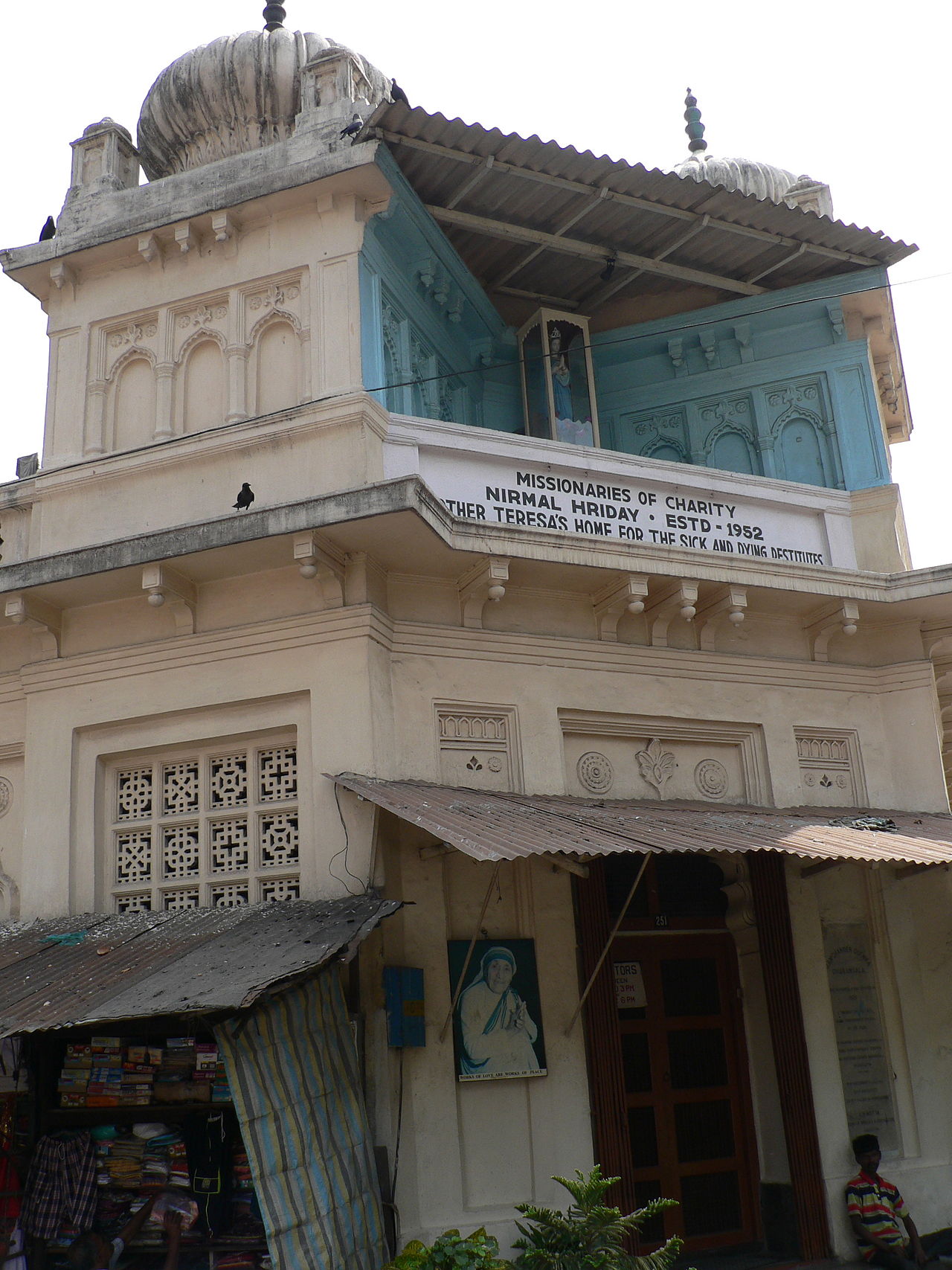

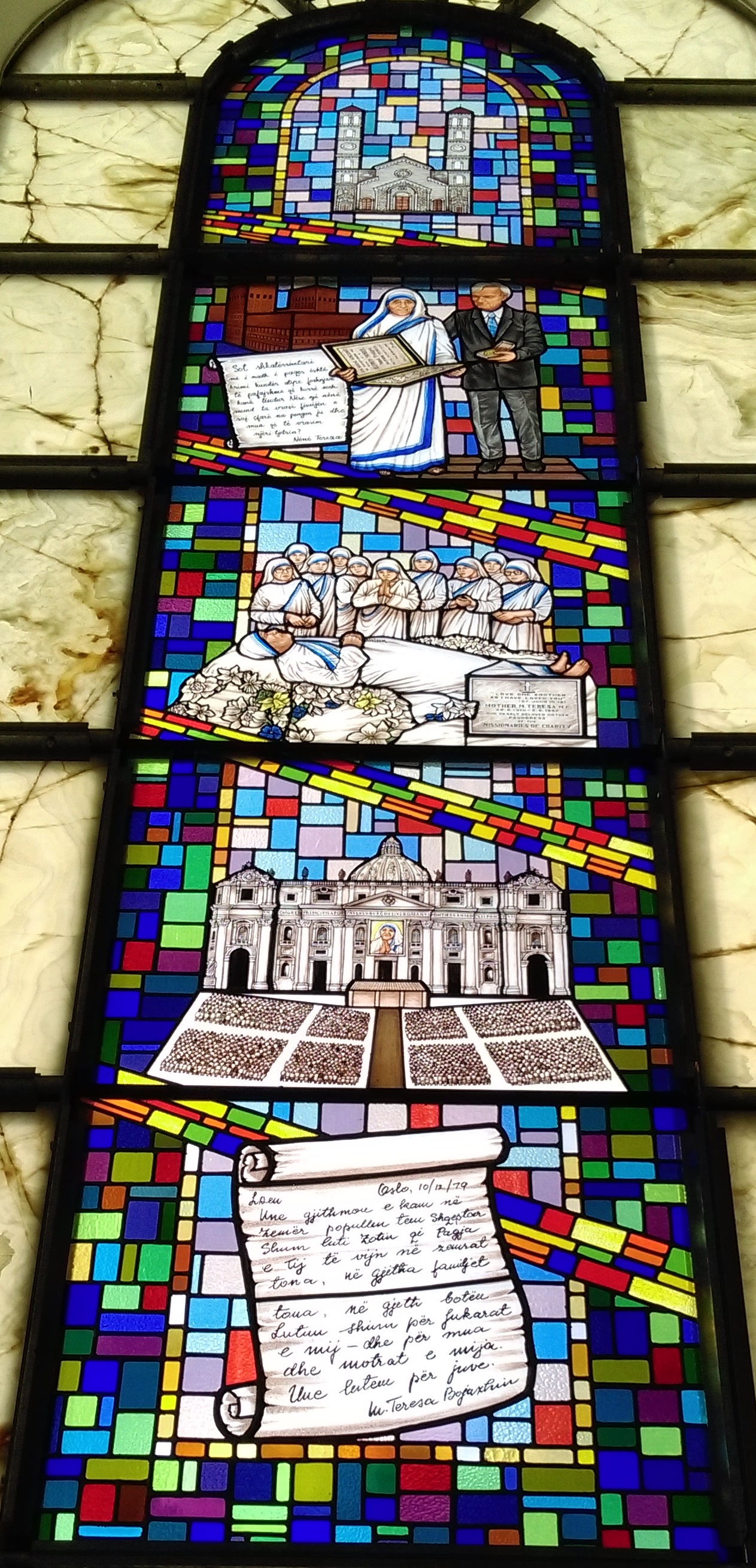

Early life and religious calling
Agnes Gonxha Bojaxhiu was born in Skopje (Skopje), then part of the Ottoman Empire, into an Albanian family. As a young woman she left home to join the Sisters of Loreto and took the religious name Teresa in honour of Saint Thérèse of Lisieux. She trained as a teacher and spent many years teaching in Calcutta. In 1948 she described experiencing a strong call to live among and serve what she called "the poorest of the poor," and in 1950 she established a new religious congregation, the Missionaries of Charity, devoted to care of the destitute, the sick, people with HIV/AIDS, and those dying with little or no medical attention.
Work, expansion and spiritual life
The congregation began in Calcutta but expanded to other Indian cities and then internationally, opening hospices, homes and clinics. Members of the order provided basic nursing care, shelter, food and spiritual comfort. Mother Teresa said she was inspired by the example of Saint Francis of Assisi and by a personal commitment to live in close contact with those she served. Later published letters also revealed periods of spiritual doubt and interior struggle, sometimes described as a long "dark night of faith," which have been discussed in biographies and studies of her life.
Awards, public profile and controversies
Her public profile grew through media, books and films; the book and film Something Beautiful for God by Malcolm Muggeridge helped bring wide public attention. She received many honours, including the Nobel Peace Prize (1979) and India's highest civilian award, the Bharat Ratna (1980). At the same time she attracted criticism on several grounds: some journalists, medical professionals and scholars questioned the standards of clinical care in certain homes, the role of suffering in her theology, and the acceptance of donations from controversial sources. She also publicly opposed abortion and contraception, positions that informed both support for and criticism of her public witness (on abortion and related views).
Beatification, canonization and legacy
After her death in 1997 the Catholic Church began the formal process that led to her beatification by Pope John Paul II in 2003 and her canonisation as Saint Teresa of Calcutta by Pope Francis on 4 September 2016. The Vatican recognised miracles attributed to her intercession as part of that process. Supporters emphasise the direct help she and the congregation offered to thousands of people and the global attention she drew to extreme poverty. Critics and historians often call for careful assessment of institutional practices, the balance between spiritual care and medical treatment, and the implications of faith‑based approaches to humanitarian aid.
Further context and reading
Mother Teresa's life intersects with issues of religion, colonial and post‑colonial India, global media, and the professionalisation of humanitarian aid. The Missionaries of Charity remain active worldwide and continue to inspire volunteers and debate. For introductory material on her life and mission see biographical summaries and religious context sources (biographical overview), accounts of her origins and formation (early years), and discussions of her spiritual influences (spiritual models).
- Born: 26 August 1910; Died: 5 September 1997.
- Original name: Agnes Gonxha Bojaxhiu.
- Founded: Missionaries of Charity (1950).
- Major honours: Nobel Peace Prize (1979), Bharat Ratna (1980).
- Beatified (2003) and canonised (2016); see official Church records for details (beatification and canonisation).
Questions and answers
Q: Who was Mother Teresa?
A: Mother Teresa was an Albanian Roman Catholic nun who started the Missionaries of Charity and won the Nobel Peace Prize in 1979 for her work with people. She took care of needs of those without money, those who were sick, those without parents, and those dying in Calcutta (Kolkata).
Q: Where was she born?
A: Mother Teresa was born in Skopje, Macedonia.
Q: What did she do to help the poor?
A: Mother Teresa took care of needs of those without money, those who were sick, those without parents, and those dying in Calcutta (Kolkata). She also expanded her ministry to other countries by leading the Missionaries of Charity.
Q: How did she become well-known internationally?
A: Mother Teresa became internationally well-known as an advocate for the poor and helpless due in part to a movie and book called Something Beautiful for God by Malcolm Muggeridge.
Q: What did she think about abortion?
A: Mother Teresa did not think women had the right to have abortions and said "The greatest destroyer of peace is abortion because if a mother can kill her own child, what is left for me to kill you and you to kill me?".
Q: When was she beatified by Pope John Paul II?
A: Following her death on 5 September 1997, Mother Teresa was beatified (the first stage of sainthood) by Pope John Paul II on 19 October 2003.
Q: When was she canonized as Saint Teresa of Calcutta? A: On 4 September 2016, Mother Teresa was canonized as Saint Teresa of Calcutta by his Holiness Pope Francis at Saint Peter's Basilica in Vatican City.
Author
AlegsaOnline.com Mother Teresa (Saint Teresa of Calcutta) Leandro Alegsa
URL: https://en.alegsaonline.com/art/127261