
Monica Lewinsky: life, scandal, and later work
Monica Lewinsky (born 1973) is an American public figure known for her role in a 1990s presidential scandal, later studies in social psychology, fashion work, and advocacy against cyberbullying.
Monica Samille Lewinsky, born July 23, 1973, first came to public attention as a young intern in Washington. She is widely described as an American public figure and later developed careers in design and public speaking. Her early years were spent in California; she was born in San Francisco and grew up in an affluent neighborhood of Beverly Hills, where her family lived in a noted family home often referenced in contemporary reporting financially.
Image gallery
4 Images
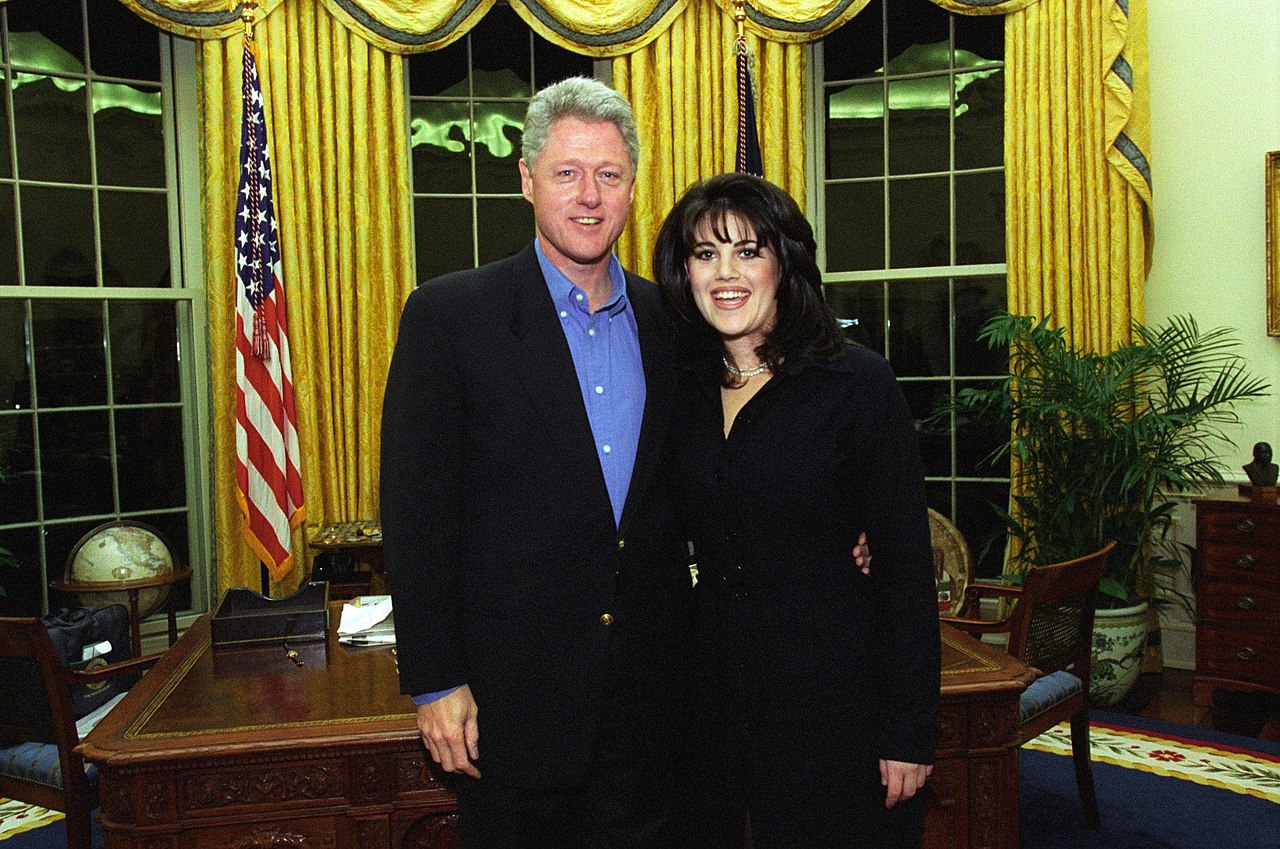


Early life and education
Lewinsky is the daughter of Bernard Lewinsky, a medical professional and photographer. After secondary school she moved to Washington, D.C., where she took internship positions that included time at the White House and work in other federal offices such as the Pentagon. In the mid-2000s she returned to formal study and completed a postgraduate degree in social psychology, earning a Master of Science from the London School of Economics. Her academic work examined media effects on juror impartiality and pre-trial publicity (MSc thesis).
The 1990s scandal and political consequences
Lewinsky became a central figure in a highly publicized political controversy in the late 1990s. The episode involved allegations about a sexual relationship between herself and President Bill Clinton of the United States. The matter prompted congressional inquiry and led to an impeachment process in the House of Representatives on charges related to testimony and obstruction; the Senate later held a trial and acquitted the president. The events produced intense media scrutiny and widespread public debate about privacy, power differentials between public officials and subordinates, and the treatment of women in scandal coverage (scandal).
Career, public work, and design
Following the controversy, Lewinsky pursued several professional avenues. She explored fashion design, particularly handbags and accessories, creating a small line under the name "The Real Monica" and engaging with the design community (handbags). She also sought employment opportunities abroad and discussed continuing her career in the United Kingdom after graduate school (job search). Over time she shifted toward media work, interviews, and contributions as a public speaker.
Activism, public speaking, and later reputation
In the 2010s Lewinsky repositioned much of her public identity around advocacy. She became known for speaking against online harassment and the culture of public shaming; her activism focuses on anti-bullying and cyberbullying issues and on encouraging more humane treatment of people who become targets of viral attacks (anti-bullying). She has given keynote talks and a widely viewed presentation on the social costs of public humiliation. Commentators and some media outlets noted her prominent presence on social media platforms, even dubbing her influence on those platforms with playful epithets (activist) and celebratory nicknames in popular culture (profile).
Notable facts and continuing discussion
- Her experience became a touchstone for conversations about power and consent in workplaces and institutions.
- Academic and journalistic examinations of the late-1990s events have continued; scholars have reviewed testimony and communications related to the case over time (analysis).
- Lewinsky has expressed, in interviews and discussions, views about the damage caused by sustained public shaming and about how the internet intensified that harm (commentary).
- Her life story encompasses roles as a student, designer, public speaker, and campaigner against online harassment (overview).
While the 1990s controversy remains a defining episode in public memory, Lewinsky's later activities — including higher education, design work, and advocacy — have broadened how she is discussed in contemporary accounts. For further context on different aspects of her life and public reception, see profiles and analyses that address both the personal impact and the wider cultural implications of the episode (background) and legal and media studies that trace its political aftermath (research). Sources that chronicle the ongoing discussion include journalism, scholarly work, and Lewinsky's own public remarks and presentations (speeches), as well as continued commentary on social media and documentary retrospectives (resources).
Questions and answers
Q: What is Monica Lewinsky's profession?
A: Monica Lewinsky is an American fashion designer, television personality and anti-bullying activist.
Q: When did the scandal between her and President Bill Clinton take place?
A: The scandal between Monica Lewinsky and President Bill Clinton took place in 1998.
Q: Where was Monica Lewinsky born?
A: Monica Samille Lewinsky was born on July 23, 1973 in San Francisco.
Q: What kind of degree does she have?
A: In 2006, Monica Lewinsky graduated with a Masters of Science degree in Social Psychology from the London School of Economics.
Q: What is the title of her thesis?
A: The title of her thesis is "In Search of the Impartial Juror: An exploration of the third person effect and pre-trial publicity".
Q: How much did her family home cost when she grew up?
A: Her family home cost $1.6 million when she grew up in Beverly Hills.
Q: What did she say about President Clinton during Ken Gormley's study into their relationship?
A: During Ken Gormley's study into their relationship, she said that Clinton had lied under oath when asked detailed and specific questions about his relationship with her.
Author
AlegsaOnline.com Monica Lewinsky: life, scandal, and later work Leandro Alegsa
URL: https://en.alegsaonline.com/art/127205