
Mohammed Nadir Shah (1883–1933)
King of Afghanistan from 1929 to 1933. A military leader and diplomat who restored the monarchy after 1929 unrest, enacted conservative reforms, and was assassinated in 1933; succeeded by his son Zahir Shah.
Mohammed Nadir Shah (born Muhammad Nadir Khan; 9 April 1883 – 8 November 1933) served as King of Afghanistan from 15 October 1929 until his assassination in November 1933. He had earlier held senior military posts, served as Minister of War and represented Afghanistan abroad as ambassador. His family line, the Musahiban, continued to shape Afghan politics through his son and successor, Muhammad Zahir Shah. Native renderings of his name appear in regional scripts: Pashto and Persian.
Image gallery
4 Images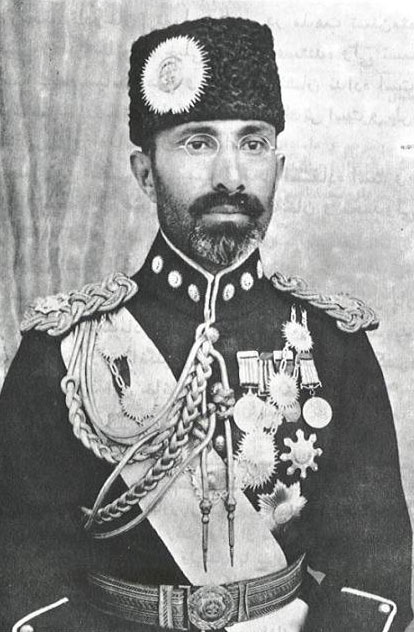
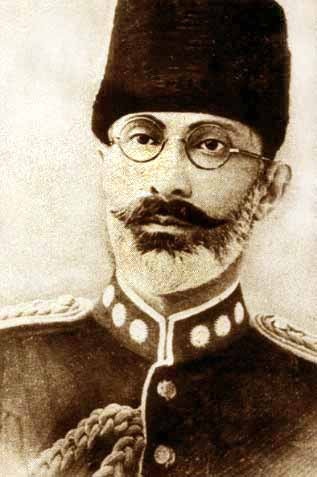


Early life and career
Nadir was born into an influential family that combined royal descent with military tradition. He trained as a soldier and rose through the ranks to become a general. Over several decades he held both military and administrative posts, gaining experience that later underpinned his claim to the throne. Before becoming king he also acted as Afghanistan's envoy to European capitals, a role that exposed him to diplomatic practice and the politics of neighbouring powers.
Accession and reign
Nadir took the throne amid political turmoil following the collapse of Amanullah Khan's reforms and a period of armed contest in 1929. His accession aimed to re-establish central authority and public order. As monarch he sought to stabilize the country by reorganizing the army, strengthening administrative institutions and reasserting traditional social norms. His approach combined cautious modernization in state institutions with a reversal of some rapid social reforms enacted earlier by his predecessor.
Policies and significance
During his brief reign Nadir emphasized security, administrative consolidation and fiscal recovery. He appointed experienced officials, attempted to attract foreign technical assistance for infrastructure and kept foreign relations pragmatic. Observers note he favored gradual change rather than sweeping reform, arguing that Afghanistan required restored order after years of unrest. His government laid groundwork that allowed his son to preside over a longer and comparatively stable period.
Assassination and legacy
Nadir Shah was assassinated in November 1933. His death brought his eldest son, Zahir Shah, to the throne as a teenager and prompted a consolidation of Musahiban influence. Historians regard his reign as a transitional phase: he halted some of the rapid social experimentation of the 1920s, reasserted monarchical authority, and prepared state institutions for the relative stability of the subsequent decades. His rule remains a focal point for debates about reform, conservatism and modernization in early 20th-century Afghanistan.
- Key roles: military commander, Minister of War, ambassador, king.
- Reign: 1929–1933; successor: Muhammad Zahir Shah.
- Legacy: restoration of order, consolidation of state institutions, Musahiban dynasty continuity.
Questions and answers
Q: Who was Mohammed Nadir Shah?
A: Mohammed Nadir Shah was the King of Afghanistan from 15 October 1929 until his assassination in November 1933.
Q: When was Mohammed Nadir Shah born?
A: Mohammed Nadir Shah was born on April 9, 1883.
Q: What was Mohammed Nadir Shah's original name?
A: Mohammed Nadir Shah's original name was Muhammad Nadir Khan.
Q: What positions did Mohammed Nadir Shah hold before becoming the King of Afghanistan?
A: Mohammed Nadir Shah served as Minister of War, Afghan Ambassador to France, and as a general in the military of Afghanistan before becoming the King of Afghanistan.
Q: What is the Musahiban?
A: The Musahiban is a ruling family in Afghanistan, and both Mohammed Nadir Shah and his son Muhammad Zahir Shah, who succeeded him, are part of the Musahiban.
Q: When was Mohammed Nadir Shah assassinated?
A: Mohammed Nadir Shah was assassinated in November 1933.
Q: Who succeeded Mohammed Nadir Shah as the King of Afghanistan?
A: Mohammed Nadir Shah was succeeded by his son, Muhammad Zahir Shah, as the King of Afghanistan.
Author
AlegsaOnline.com Mohammed Nadir Shah (1883–1933) Leandro Alegsa
URL: https://en.alegsaonline.com/art/127174