
Mir-Hossein Mousavi
Iranian reformist politician, architect and artist; prime minister from 1981–1989, 2009 presidential candidate and leading figure in the Green Movement, later head of the Iranian Academy of Arts.
Overview
Mir‑Hossein Mousavi (born 29 September 1941) is an Iranian figure known for his roles in politics, the arts and public life. His Persian spelling is often cited alongside his family name Khameneh. Professionally he is recognized as a politician and also maintains a long-standing reputation as a creative practitioner and cultural manager.
Image gallery
10 Images


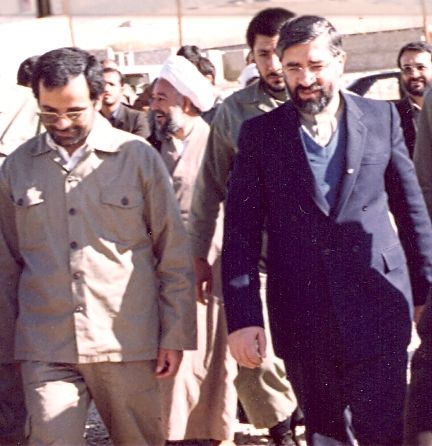
Political career and government service
Mousavi served as the fifth Prime Minister of the Islamic Republic of Iran between 1981 and 1989, a period that included the Iran–Iraq war and extensive post‑war reconstruction planning. His tenure coincided with efforts to manage a wartime economy and to prioritize resource allocation under difficult conditions. After he left office the national constitution was revised and the office of prime minister was abolished, changing Iran's executive structure.
Artistic background and academic roles
Alongside his political work, Mousavi trained and worked as a painter and architect, and he has been involved in cultural institutions. He became president of the Iranian Academy of Arts and has been active in debates about cultural policy and preservation. In the early years of the Islamic Republic he was also editor‑in‑chief of the Jomhouri‑e Eslami newspaper — the official organ of the Islamic Republican Party — reflecting his engagement with both politics and media (Jomhouri‑e Eslami).
2009 presidential campaign and aftermath
In 2009 Mousavi stood as a presidential candidate and ran a campaign that adopted green as its emblematic color. The disputed outcome of that election triggered large public demonstrations and a movement popularly known as the Green Movement. In the years that followed authorities restricted his public activities and movements; he remained a central symbolic figure for reform‑minded Iranians even while his ability to participate in open politics was curtailed.
Positions, affiliations and public image
Although often identified with the Iranian reform movement, Mousavi's career included membership of several formal bodies of the Islamic Republic; for example, he has been listed as a member of the Expediency Discernment Council and the High Council of Cultural Revolution. Reported nonattendance at some council meetings and his later distance from official posts contributed to a public image of a politician who moved from insider roles toward a more oppositional or reformist stance.
Legacy and notable facts
Mousavi's public life spans executive government during a wartime period, cultural leadership and an electoral candidacy that became a focal point for mass protest. He is remembered for his involvement in wartime governance, his promotion of cultural institutions, and his symbolic role after 2009. Key points include:
- Born 29 September 1941; active as architect, painter and cultural official.
- Prime Minister of Iran, 1981–1989, before the post was abolished.
- 2009 presidential candidate whose campaign color, green, became an emblem of a wider movement.
- Longstanding association with reformist politics and later constrained public activity.
Mousavi's life and career continue to be a subject of study for those interested in contemporary Iranian politics, the interaction between culture and power, and the dynamics of reform movements within the Islamic Republic.
Questions and answers
Q: Who is Mir-Hossein Mousavi Khameneh?
A: Mir-Hossein Mousavi Khameneh is an Iranian politician, painter, and architect who belongs to the Iranian reform movement. He was the fifth Prime Minister of the Islamic Republic of Iran from 1981 to 1989 and is currently the president of the Iranian Academy of Arts.
Q: Was Mousavi a candidate in the 2009 presidential election?
A: Yes, Mousavi was a candidate for the 2009 presidential election.
Q: What color did Mousavi choose for his campaign in the 2009 presidential election?
A: Mousavi chose green as his campaign color, which has since become common in Iran.
Q: What was Mousavi's position before he became Prime Minister?
A: Before his post as prime minister, Mousavi was the Minister of Foreign Affairs.
Q: What happened to the post of prime minister in Iran after Mousavi's term?
A: After Mousavi's term, the constitution was changed, and the post of prime minister was abolished.
Q: What are the Expediency Discernment Council and the High Council of Cultural Revolution, and what is Mousavi's connection to them?
A: The Expediency Discernment Council and the High Council of Cultural Revolution are councils in Iran that Mousavi is a member of. However, he has not attended their meetings for years, and political analysts think that he does not like these councils.
Q: What was Mousavi's role in the early years of the revolution in Iran?
A: In the early years of the revolution, Mousavi was the editor-in-chief of the official newspaper of the Islamic Republican Party, the Jomhouri-e Eslami (Islamic Republic) newspaper.
Author
AlegsaOnline.com Mir-Hossein Mousavi Leandro Alegsa
URL: https://en.alegsaonline.com/art/127092