
Milenko Stefanović
Serbian clarinetist (1930–2022), principal clarinet of the Belgrade Philharmonic, noted soloist in classical and jazz contexts and influential pedagogue at major Serbian music schools.
Milenko Stefanović (19 February 1930 – 25 July 2022) was a Serbian clarinetist celebrated for his work in both classical music and jazz. He combined orchestral, solo and chamber activity with a long teaching career, and is widely regarded as one of the leading wind players of his generation in Serbia and the former Yugoslavia.
Image gallery
2 Images
Early life and education
Born in 1930, Stefanović studied clarinet and music performance at institutions that prepared him for a dual career as orchestral musician and solo performer. His formative years included training in technical facility, tone production and stylistic flexibility that later allowed him to move comfortably between concert repertoire and improvised music.
Orchestral and solo career
For many years Stefanović served as Principal Clarinetist of the Belgrade Philharmonic Orchestra, where he appeared both as an orchestral leader and as a featured soloist. In symphonic and concerto settings he was noted for a lyrical sound, precise articulation and a sense of phrasing suited to a broad range of works from classical concertos to 20th-century compositions. He also appeared in chamber ensembles and gave recitals that explored standard clarinet literature and modern works.
Jazz, improvisation and chamber work
Alongside his classical activities, Stefanović maintained an active interest in jazz and small-group performance. He performed arrangements and improvised in contexts that emphasized melodic invention and rhythmic nuance, bringing classical technique to bear on popular and jazz-influenced repertoire. His ability to navigate different styles inspired younger musicians to explore genre-crossing approaches.
Teaching and influence
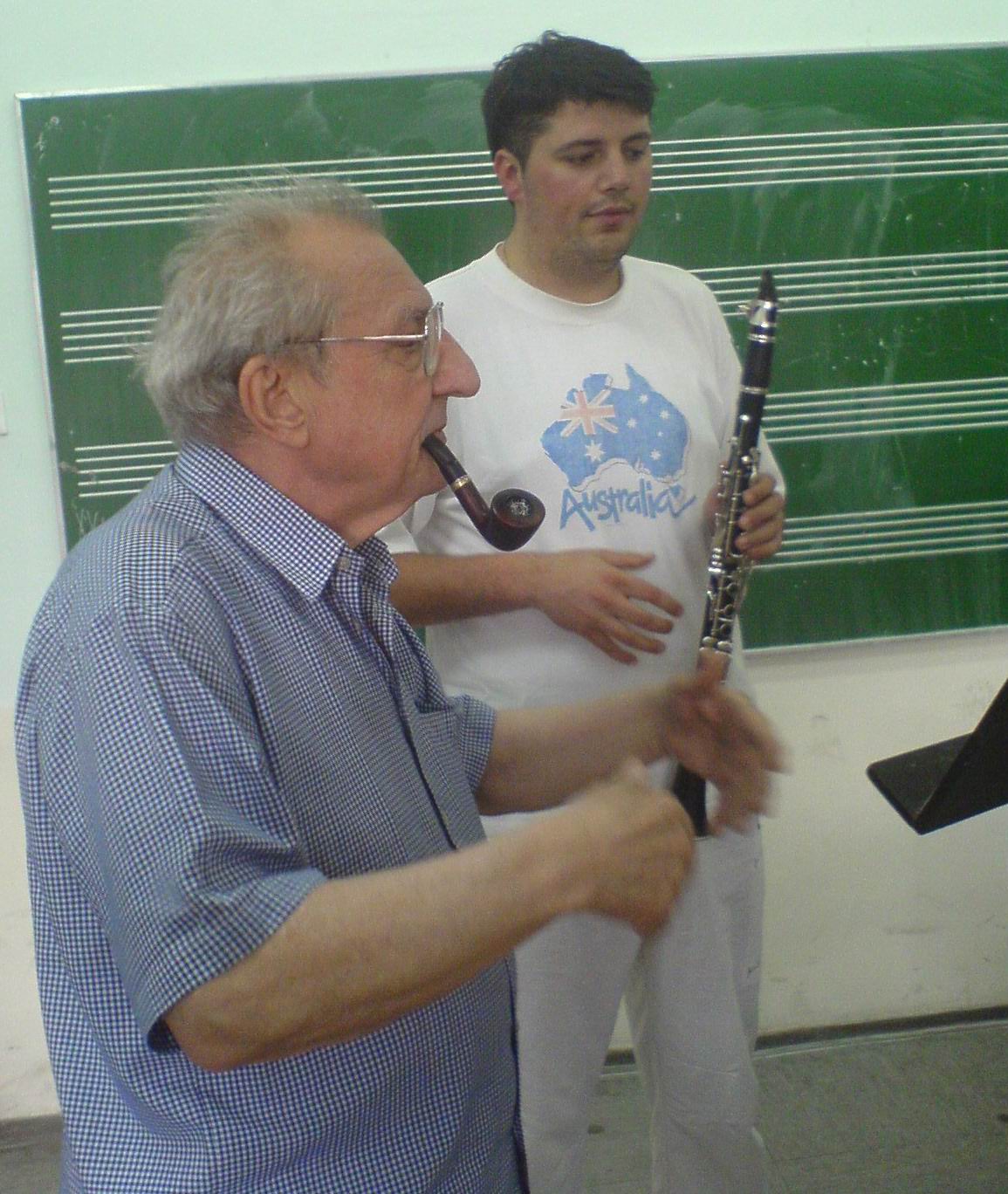
Stefanović was a committed educator who held posts at the Josip Slavenski School of Music, the University of Pristina and the University of the Arts in Belgrade. Over decades of instruction he shaped multiple generations of clarinetists, offering individual tuition, ensemble coaching and masterclasses. His pedagogical emphasis combined technical command, musical expression and awareness of stylistic conventions in both classical and jazz idioms.
Recordings, repertoire and legacy
Recordings, radio broadcasts and concert reviews document his interpretations and serve as reference material for students and colleagues. His repertoire ranged from standard works of the classical clarinet literature to contemporary pieces and jazz standards. Stefanović’s long career helped raise the profile of the clarinet in Serbian musical life and fostered a cross-genre aesthetic that subsequent performers continued to explore.
Style and approach
Critics and peers often highlighted Stefanović’s warm tonal palette, controlled vibrato and clear phrasing. He advocated careful attention to breathing, hand position and articulation as foundations for expressive playing. As a mentor he encouraged adaptability, recommending that students develop both a secure technical base and an informed musical sensitivity.
Though best known for his orchestral and pedagogical work, Stefanović’s career exemplified a broad musical curiosity that embraced concert hall repertoire, chamber collaboration and improvisation. For general background on instrument and genres associated with his work, see resources on the clarinet, classical performance and jazz.
Questions and answers
Q: Who was Milenko Stefanović?
A: Milenko Stefanović was a renowned Serbian classical and jazz clarinet player, former Principal Clarinetist of the Belgrade Philharmonic Orchestra, and Professor at the Josip Slavenski School of Music, University of Pristina, and University of the Arts in Belgrade.
Q: When was Milenko Stefanović born and when did he pass away?
A: Milenko Stefanović was born on February 19, 1930, and he passed away on July 25, 2022.
Q: What was Milenko Stefanović's main instrument?
A: Milenko Stefanović's main instrument was the clarinet.
Q: Where did Milenko Stefanović work as a professor?
A: Milenko Stefanović worked as a Professor at the Josip Slavenski School of Music, University of Pristina, and University of the Arts in Belgrade.
Q: What orchestra did Milenko Stefanović play for?
A: Milenko Stefanović played for the Belgrade Philharmonic Orchestra as their former Principal Clarinetist.
Q: Was Milenko Stefanović famous in Serbia?
A: Yes, Milenko Stefanović was the most famous Serbian classical and jazz clarinet player.
Q: What was Milenko Stefanović's profession?
A: Milenko Stefanović's profession was that of a musician, specifically a clarinet player, and he also worked as a Professor at various music schools in Serbia.
Author
AlegsaOnline.com Milenko Stefanović Leandro Alegsa
URL: https://en.alegsaonline.com/art/127058