
Bohol (province) — geography, history, culture and tourism
Bohol is an island province in the Central Visayas of the Philippines known for the Chocolate Hills, tarsiers, beaches, and a blend of rural agriculture and tourism centered on Tagbilaran.
Overview
Bohol is an island province of the Philippines located in the Central Visayas region. The province consists of one principal island, Bohol, and more than seventy smaller islets that surround it. Its administrative seat and largest city is Tagbilaran. Locally the province is referred to in Cebuano as Lalawigan sa Bohol and in Filipino as Lalawigan ng Bohol.
Image gallery
10 Images


Geography and natural features
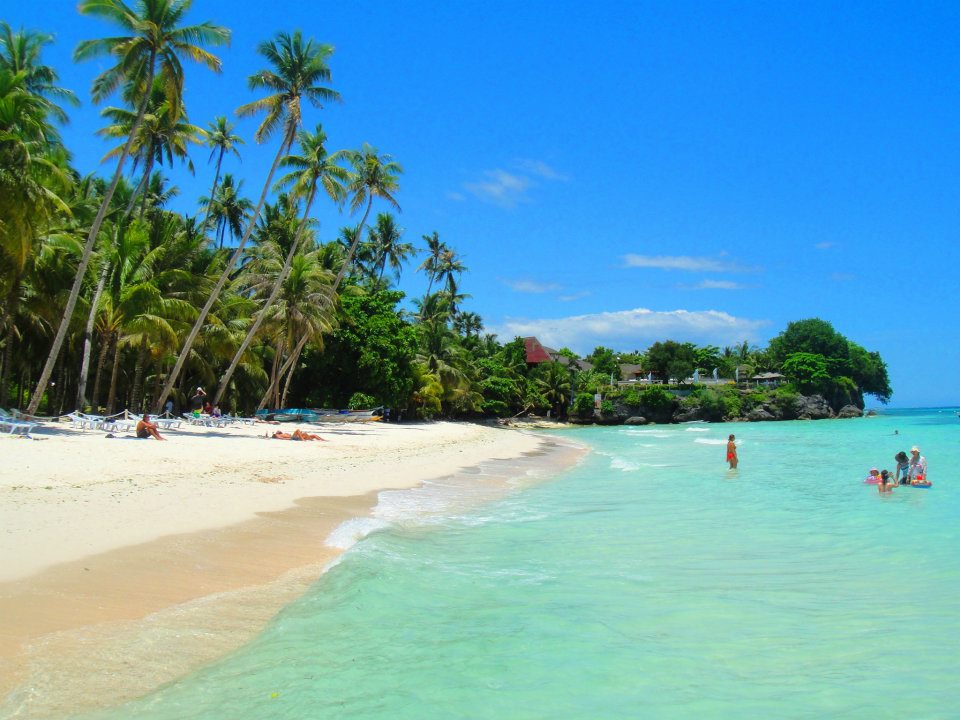
Bohol’s landscape ranges from low coastal plains to rolling hills and inland river valleys. Its most celebrated landform is the Chocolate Hills, a large cluster of conical mounds formed from karstic limestone that turn brown in the dry season, giving them their nickname. The coastline supports sandy beaches, coral reefs and fishing communities, while the interior hosts secondary forest patches and small rivers.
Wildlife and conservation
Bohol is home to several species of conservation interest. The Philippine tarsier, one of the world’s smallest primates, inhabits parts of the island and is a focal species for local wildlife tourism and habitat protection. Coastal and marine areas support reef fishes and invertebrates that sustain both subsistence and commercial fisheries. Conservation efforts in the province aim to balance tourism and development with the protection of sensitive habitats.
History and cultural notes
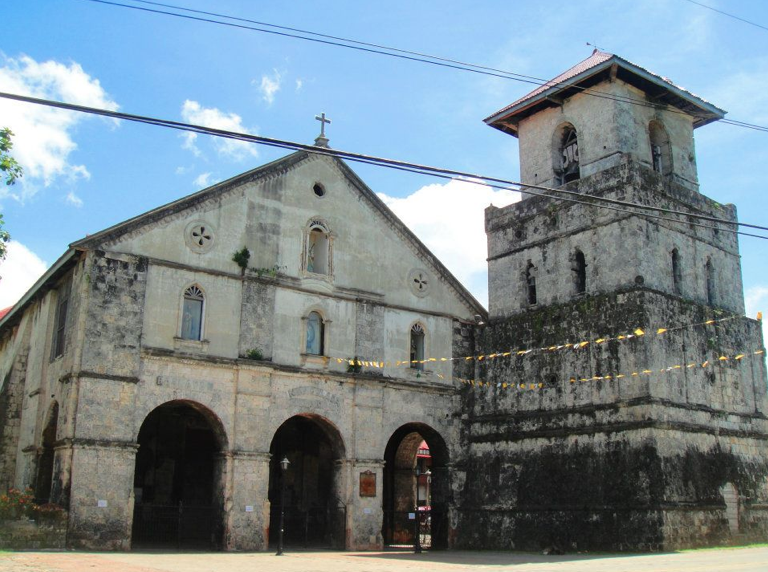
Bohol has a long human history that includes indigenous communities, pre-colonial trade networks and more than three centuries of Spanish colonial influence visible in church architecture and religious traditions. Christianization, local chieftaincies and later integration into the modern Philippine state shaped the island’s social structures. Bohol is also the birthplace of notable national figures, including President Carlos P. Garcia, and it retains strong traditions of music, dance and fiesta celebrations.
Economy, transport and services
The economy combines agriculture, fisheries and an increasingly important tourism sector. Crops, livestock and small-scale fishing support rural livelihoods, while coastal resorts and beach towns attract domestic and international tourists. Hotels and resorts line many southern beaches and are complemented by inland guesthouses and eco-lodges; a range of hotels and small hospitality businesses serve visitors. Tagbilaran functions as the transport and service hub with ferry connections and an airport linking the province to other islands.
Attractions and practical information
- Chocolate Hills — scenic viewpoints and a photo landmark.
- Tarsier sanctuaries and nature trails for wildlife observation.
- Beaches and diving spots around Panglao and outlying islets.
- Historic churches, heritage towns and local markets in the provincial interior.
Visitors are asked to observe local guidelines to protect fragile habitats: keep distance from wildlife, respect marine protected areas and support community-based enterprises. For more on Bohol’s geography and administrative status see the provincial entries and regional references to the island province within the wider Central Visayas area.
Further reading and resources: official provincial pages and tourism guides provide current travel details, conservation programs and lists of registered accommodations. Sample local terms include the Cebuano name Lalawigan sa Bohol and the Filipino form Lalawigan ng Bohol. For historical context see materials about colonial-era churches and the province’s role in national history; for practical arrangements consult transport and accommodation listings in Tagbilaran and island-hopping schedules to nearby islets.
Limestone geology and karst formations underlie much of Bohol’s distinctive scenery; local research, community guides and conservation groups work to protect these features while sustaining tourism and the livelihoods of island residents. Accommodation options range from small guesthouses to larger hotels, and visitors often combine beach time with trips to cultural sites and wildlife sanctuaries. Historical and cultural notes are summarized in regional overviews of the region and country-wide heritage listings in the Philippines.
Questions and answers
Q: What is the capital of Bohol?
A: The capital of Bohol is Tagbilaran.
Q: What is the most popular attraction in Bohol?
A: The most popular attraction in Bohol is the Chocolate Hills, which are many small hills of limestone formations.
Q: How many islands make up the Province of Bohol?
A: The Province of Bohol consists of one main island, Bohol, and more than 70 smaller islands.
Q: Where can tourists find hotels in Bohol?
A: Tourists can find hotels in the southern beaches of Bohol.
Q: What region does the Province of Bohol belong to?
A: The Province of Bohol belongs to the Central Visayas region.
Q: Who was born in Talibon, a town located within the province?
A: Carlos P. Garcia, who was the eighth president of the Republic of Philippines (1957-1961), was born in Talibon.
Q: What makes it a popular tourist destination?
A: It is a popular tourist destination because it has beautiful beaches and resorts as well as its famous Chocolate Hills attraction.
Related articles
Author
AlegsaOnline.com Bohol (province) — geography, history, culture and tourism Leandro Alegsa
URL: https://en.alegsaonline.com/art/12705
Sources
- commons.wikimedia.org : Bohol (province)
- nscb.gov.ph : "List of Provinces"
- bohol-philippines.com : "Bohol Island Philippines"
- aenet.org : "Bohol History"
- aenet.org : "Readings From Bohol's History"
- bohol.gov.ph : "History of Bohol"
- aenet.org : "Overview"
- nscb.gov.ph : "Province of Bohol"