
Bohol (island)
Bohol is a major island in the Central Visayas of the Philippines, known for unique karst formations, diverse marine life, and the small Philippine tarsier. A long-standing tourist and cultural destination.
Overview
Bohol is one of the larger islands of the Philippines and serves as the primary landmass of the Bohol province. It lies within Region VII, commonly called Central Visayas, in the wider Visayas island group. The island combines lowland plains, rolling hills and coastal areas and has long been a destination for travelers and naturalists.
Image gallery
10 Images


Geography and settlement
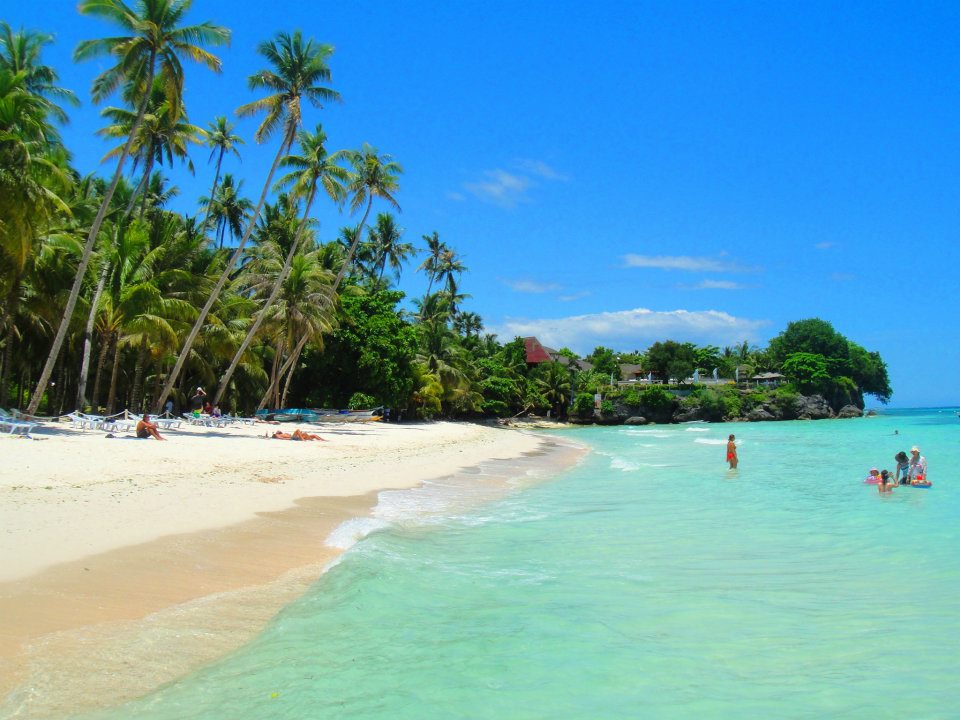
Bohol's terrain includes limestone plateaus and isolated conical hills, extensive shorelines and pockets of forest. The provincial capital and main urban center is Tagbilaran, which is connected by modern roads and shorter ferry crossings to neighboring islands. Smaller islands such as Panglao, which is linked by bridges, are administratively part of the province and important for tourism and fisheries.
Natural features and biodiversity
The island is celebrated for the Chocolate Hills — hundreds of rounded karst mounds that change color with the seasons — and for coral-rich waters around offshore reefs. Bohol provides habitat for the Philippine tarsier, one of the world’s smallest primates, an iconic species of the southern Philippine islands and often described as endemic to the region. Conservation areas and small sanctuaries work to protect these animals and local forest remnants.
History and culture
Human settlement on Bohol stretches back centuries, with local culture shaped by Austronesian heritage, maritime trade and later colonial contacts. Several old churches and heritage sites reflect Spanish-era influences. In recent decades the island has balanced growth with efforts to preserve archaeological sites, religious traditions and folk crafts.
Economy and tourism
Bohol's economy mixes agriculture, fishing, and a sizable tourism sector. Popular activities include beach and resort stays, scuba diving (notably around Panglao), eco-tours to the Chocolate Hills and visits to historic churches and local markets. Local authorities and the provincial government have promoted sustainable tourism while recovering from natural disasters that have periodically affected infrastructure.
Notable facts and practical notes
- Visitors commonly arrive by air or ferry; regional transport links connect Bohol to larger Visayan hubs.
- Conservation groups and sanctuaries host educational programs about the tarsier and coastal ecosystems.
- For official information and travel advisories, consult regional sources such as the Central Visayas offices or provincial resources (provincial government).
For more general background see guides to the Visayas and country overviews of the Philippines. Additional cultural and scientific context is available through natural history references and travel resources that discuss Bohol's landmarks and biodiversity (island profile, provincial information).
Questions and answers
Q: How large is Bohol island in comparison to the other islands of the Philippines?
A: Bohol is the tenth-largest island of the Philippines.
Q: What is the main island of Bohol province?
A: Bohol island is the main island of Bohol province.
Q: Which region does Bohol belong to?
A: Bohol belongs to Region VII (Central Visayas) in the Visayas island group.
Q: What is the Philippine Tarsier?
A: The Philippine Tarsier is one of the smallest primates in the world.
Q: Where is the Philippine Tarsier endemic to?
A: The Philippine Tarsier is endemic to southern Philippines, including the island of Bohol.
Q: What is an endemic animal?
A: An endemic animal is a species that is only found in a particular geographic area.
Q: Which of the Philippine islands is known for the Philippine Tarsier?
A: Bohol island is known for the Philippine Tarsier.
Related articles
Author
AlegsaOnline.com Bohol (island) Leandro Alegsa
URL: https://en.alegsaonline.com/art/12704
Sources
- nscb.gov.ph : "NSCB ActiveStats - List of Regions"
- sevennaturalwonders.org : "Chocolate Hills"
- aenet.org : "Overview"
- weatherbase.com : "Tagbilaran, Philippines - Köppen Climate Classification"