
Mikhail Baryshnikov — Dancer, Choreographer, and Actor
Soviet-born dancer Mikhail Baryshnikov (born 1948) is celebrated for his technical mastery and for bridging classical ballet and modern dance; he became a prominent choreographer, director and actor in the United States.
Overview
Mikhail Nikolaevitch Baryshnikov (Russian: Михаил Николаевич Барышников) is a ballet and modern dancer, choreographer and actor born in 1948 in what was then the Latvian SSR. He is widely known for exceptional technique, musicality and dramatic presence, and for crossing the customary divide between classical ballet and modern dance. Born to Russian parents in Latvia during the era of the Soviet Union, he trained and first rose to prominence in the Soviet ballet system before making a high-profile move to the West.
Image gallery
5 Images


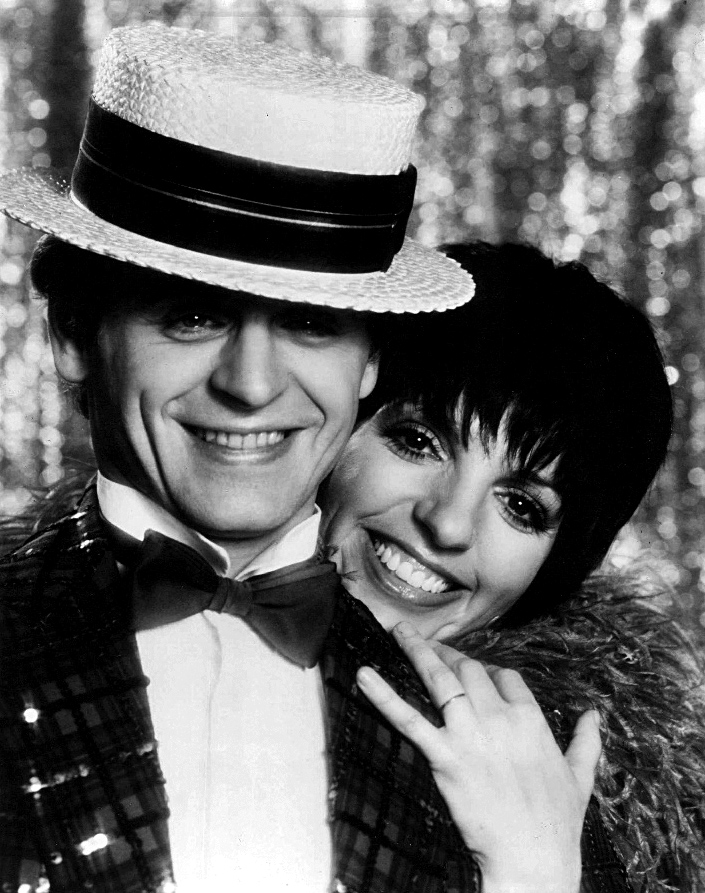
Career and artistic development
Baryshnikov received early professional training and danced with the Kirov Ballet at the Mariinsky Theatre in what was then called Leningrad. His early career followed the tightly codified repertory of classical ballet, but he also sought to explore contemporary choreographic approaches. After his defection from a touring company in 1974, he worked with major American companies and artists, embracing both the technical demands of classical roles and the expressive possibilities of modern choreography.
Major turning points and institutions
While on tour in North America with the Kirov Ballet he requested political asylum in Canada, initially in Toronto. That decision opened opportunities in the West. He performed with the New York City Ballet under the direction of George Balanchine and later became artistic director of the American Ballet Theatre, shaping repertory and dancers' careers. He also established his own company and organized spaces to support interdisciplinary work.
Style, repertoire and influence
Baryshnikov is notable for combining rigorous classical technique with a willingness to adopt and commission modern choreography. Critics and audiences often remarked on his speed, elevation and nuanced phrasing; some commentators called him among the greatest male dancers of his time. He appeared frequently on television and in films, bringing ballet to broader audiences and helping to change how dance was perceived in popular culture. He has received multiple awards, including several Emmy Awards for his television work.
Selected facts and public roles
- Nationality and citizenship: born in the Soviet Union, later resident and citizen of the United States.
- Early company: member of the Kirov Ballet (Mariinsky).
- Defection and asylum: sought asylum in Canada during a 1974 tour.
- Leadership roles: principal dancer and company leader roles in major American institutions.
- Cross-genre work: active in both classical ballet and modern dance.
Legacy and notable distinctions
Baryshnikov's career illustrates the shifting boundaries of dance in the late 20th century: he brought technical precision and theatrical intelligence to a range of repertory, encouraged collaborations between dancers and choreographers, and helped popularize ballet through film, television and international tours. His life and work continue to be discussed in dance histories and criticism; some critics, such as Clive Barnes, praised his performances highly. His move from the Soviet system and subsequent American citizenship (naturalized in 1986) remain notable moments in cultural as well as artistic history.
Further reading and archival materials about his life, roles and later activities are available through a range of cultural institutions and biographies. For a sampled chronology of performances, teaching and company activity see resources linked from institutional pages and dance archives. For background on the political context of his 1974 asylum request see materials about Cold War-era cultural exchanges and Soviet-Western artistic relations.
Sources discussing his film and television appearances, his awards (including multiple Emmy recognitions), and interviews can be found via performing-arts databases and major media archives. Accounts of his time in company leadership often reference his tenure at ABT and collaborations with other established figures in ballet and modern dance.
For more specific entries and primary documents, consult specialized dance libraries, institutional histories of the Kirov/Mariinsky and American Ballet Theatre, and biographies that trace his evolving repertory and administrative roles in the arts. Additional context on his birthplace and early training is available through cultural histories of Latvia and the wider Soviet ballet system.
Related topics: the Kirov/Mariinsky tradition (company history), Cold War artistic defections (asylum cases), and the late-20th-century fusion of classical and modern dance aesthetics (modern dance).
Other anchor links for context and further exploration: Soviet Union context, Leningrad, ballet terminology, Toronto cultural scene, American cultural reception, and archival collections (Balanchine connections, ABT records, Russian-language sources, critical reviews).
Questions and answers
Q: What is Mikhail Baryshnikov's nationality?
A: Mikhail Baryshnikov is a Russian-American dancer, choreographer, and actor. He was born in Latvia to Russian parents during the time of the Soviet Union and later became an American citizen.
Q: Where did he work after defecting from the Kirov Ballet?
A: After defecting from the Kirov Ballet at the Mariinsky Theatre, Leningrad, he moved to Canada for more opportunities in western dance. He then worked full-time in the New York City Ballet under the direction of George Balanchine.
Q: When did he become an American citizen?
A: Baryshnikov asked for political asylum in Toronto while on tour with the Kirov Ballet in 1974 and became an American citizen in 1986.
Q: What awards has he won?
A: He has won three Emmy Awards throughout his career as a dancer and choreographer.
Q: How has he contributed to dance?
A: Part of his significance is that he danced both classical ballet and modern dance. From 1978 onwards, he worked full-time in classical ballet but also founded his own company which moved towards modern dance.
Q: Has he ever performed on television?
A: Yes, Baryshnikov has danced many times on television in North America throughout his career as a dancer and choreographer.
Author
AlegsaOnline.com Mikhail Baryshnikov — Dancer, Choreographer, and Actor Leandro Alegsa
URL: https://en.alegsaonline.com/art/127034