
Miguel Induráin
Spanish road racing cyclist, dominant time trialist who won the Tour de France five consecutive times (1991–1995), two Giros, set the 1994 hour record and won Olympic time trial gold in 1996.
Overview
Miguel Ángel Indurain Larraya (born 16 July 1964) is a retired Spanish road racing cyclist best known for an era of sustained dominance in the early 1990s. He turned professional in the mid-1980s and became internationally famous for combining exceptional power against the clock with calm, tactical racing in the mountains. Indurain is most often remembered for winning the Tour de France five times in a row (1991–1995), a run that established him as one of the greatest stage-racers of his generation.
Image gallery
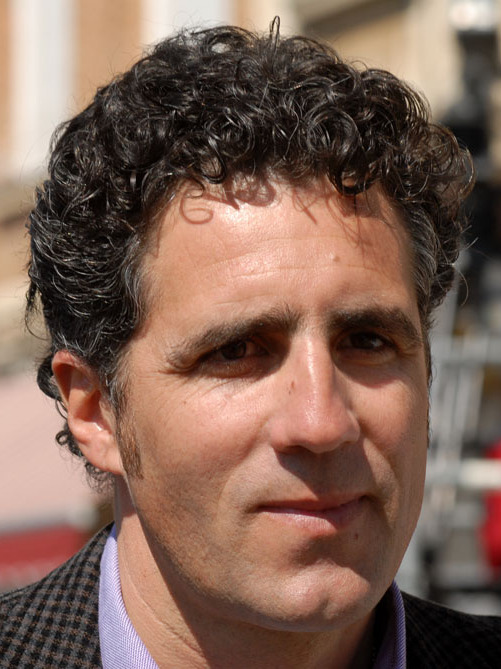
8 Images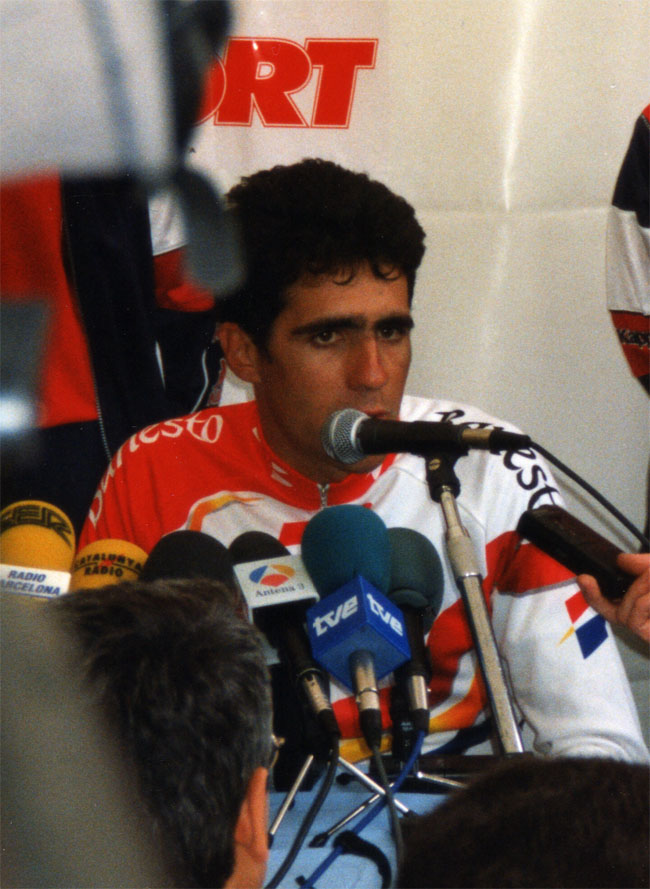



Riding style and characteristics
Indurain had an unusual profile for a grand tour winner: a tall, robust physique and an ability to sustain very high absolute power for long durations. These traits made him an outstanding time trialist and allowed him to gain minutes on rivals in individual efforts. Rather than attacking explosively on mountain slopes, he rode steady, long climbs at a tempo he could maintain, relying on time trials to build decisive advantages. His methodical pacing, aerodynamic position and measured temperament were hallmarks of his approach.
Major achievements
Across his professional career he amassed a compact but remarkable list of victories, emphasizing overall stage races and specialist events. Key highlights include:
- Five consecutive overall wins in the Tour de France (1991–1995).
- Two overall victories in the Giro d'Italia (1992 and 1993).
- Setting the one-hour distance record in 1994 with 53.040 km, a benchmark effort often referenced in discussions of the hour record and its evolution (historical record).
- Winning the Olympic time trial gold medal at the 1996 Games, adding an international title to his grand tour palmarès.
Context and notable races
Indurain's five Tour wins were built on unusually large gains in time trials and conservative riding in the mountains, which meant he did not need to win many mountain stages to secure overall victories. In several Tours his dominance in the clocked stages made him the rider to beat. In the 1996 Tour de France, a respiratory illness disrupted his form and he was unable to mount a successful defense of his title; he then wound down his professional career shortly thereafter and announced his retirement in the late 1990s.
Legacy and later life
Indurain's achievements elevated Spanish cycling on the world stage and influenced how teams valued time-trial specialists in grand tour strategies. He is widely cited as a model of efficiency and reserve: a rider who maximized his physiological gifts with disciplined training and race craft. After retiring from professional racing he has remained a public figure in Spain and is often invited to cycling events, ceremonies and media programs that celebrate the sport's history and heroes.
Further reading and references
For perspectives on Indurain's career, physiology and the races that defined him, see specialist cycling histories and archival race reports. General overviews of the sport's grand tours and the evolution of the hour record provide useful context. Biographical summaries and Olympic records can be consulted via contemporary sporting archives and official Olympic resources (time trial reports, illness and 1996 Tour context).
Questions and answers
Q: Who is Miguel Ángel Indurain Larraya?
A: Miguel Ángel Indurain Larraya is a retired Spanish road racing cyclist who was a professional cyclist from 1985 to 1996.
Q: How many times did Miguel Ángel Indurain Larraya win the Tour de France?
A: Miguel Ángel Indurain Larraya won the Tour de France five times in a row from 1991 to 1995.
Q: What other races did Miguel Ángel Indurain Larraya win?
A: Miguel Ángel Indurain Larraya also won the Giro d'Italia two times, in 1992 and 1993. He also won the Olympic Gold medal for the time trial in 1996.
Q: What was Miguel Ángel Indurain Larraya's hour record in cycling?
A: Miguel Ángel Indurain Larraya cycled 53.040 kilometres in one hour in 1994, which was a new hour record.
Q: What was Miguel Ángel Indurain Larraya's strength as a cyclist?
A: Miguel Ángel Indurain Larraya was very good at time trials. In the five Tours de France that he won, he only won two stages that were not time trials.
Q: Why did Miguel Ángel Indurain Larraya not need to attack in mountain stages?
A: Miguel Ángel Indurain Larraya finished time trials much quicker than other cyclists, so he did not need to attack in mountain stages.
Q: When did Miguel Ángel Indurain Larraya retire from professional cycling?
A: Miguel Ángel Indurain Larraya retired from professional cycling in 1997.
Author
AlegsaOnline.com Miguel Induráin Leandro Alegsa
URL: https://en.alegsaonline.com/art/126926