
Mick Mulvaney: American politician and former federal official
Biography and overview of Mick Mulvaney, his political career, major federal roles, policy positions, controversies, and significance in contemporary U.S. politics.
John Michael "Mick" Mulvaney is an American politician and public official who served in several high-profile roles in the federal government after representing South Carolina in state and national office. A member of the Republican Party, Mulvaney rose from the South Carolina legislature to the U.S. House of Representatives and then to senior executive branch posts during the administration of President Donald Trump.
Image gallery
8 Images


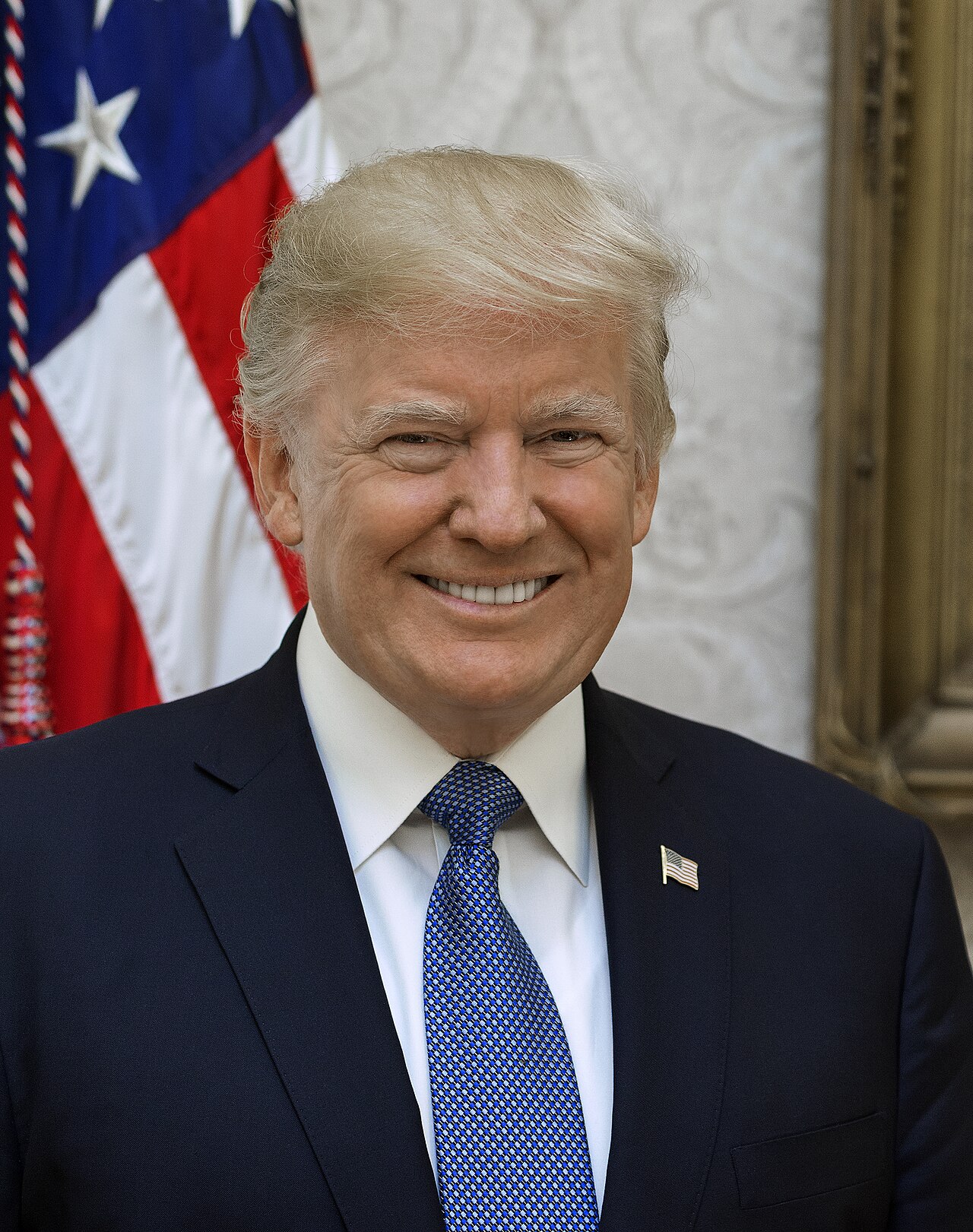


Major offices and timeline
Mulvaney's career has included both elective and appointed positions. Key roles include:
- State legislator in South Carolina's upper chamber representing a district that covers parts of Lancaster and York counties.
- U.S. Representative for South Carolina's 5th congressional district, a seat he held from 2011 to 2017; he was the first Republican to hold that district in over a century (Representative).
- Director of the Office of Management and Budget, confirmed by the Senate in 2017, a post he occupied until 2020 where he oversaw federal budgetary planning and management.
- Acting Director of the Consumer Financial Protection Bureau for a period in 2017, a move that drew legal and political attention.
- Served as Acting White House Chief of Staff in late 2018 and into 2019 in an interim capacity (Chief of Staff).
- Appointed United States Special Envoy for Northern Ireland in 2020 and resigned that post in early 2021.
Political profile and policy emphasis
Mulvaney is widely identified as a fiscal conservative. During his time in Congress and at the Office of Management and Budget he emphasized deficit reduction, spending restraint, and efforts to restructure federal programs. His approach combined advocacy for lower discretionary spending with support for tax and regulatory policies favored by his party. As an executive branch official, he also prioritized management reforms and sought to reduce what he described as regulatory burdens.
Controversies and public response
Several of Mulvaney's appointments provoked debate. The decision to place him in charge of the Consumer Financial Protection Bureau on an acting basis raised questions about succession rules and the agency's direction. His tenure as a high-level White House official coincided with periods of intense political conflict, and his appointment as Special Envoy for Northern Ireland was followed by his resignation after the events at the U.S. Capitol in January 2021. Supporters have praised his commitment to fiscal discipline and management, while critics have faulted some of his policy priorities and the manner of certain interim appointments.
Historical notes and significance
Mulvaney's election to the U.S. House marked a historical shift in a district long held by Democrats; his move from the legislative branch to senior White House positions reflects a broader pathway in modern American politics from Congress to executive administration roles. His work at the Office of Management and Budget placed him at the center of federal budget debates and gave him significant influence over the administration's fiscal agenda.
As a public figure, Mulvaney exemplifies the blend of policy-focused fiscal conservatism and partisan political strategy that has characterized much of the Republican leadership in the 2010s. His record continues to be examined by scholars and commentators interested in budget policy, administrative law, and the governance trade-offs associated with acting or interim appointments in federal agencies.
For more details on particular offices and actions, see official descriptions of the Office of Management and Budget, Mulvaney's congressional service as a U.S. Representative, and reporting on his roles as acting chief or agency head, such as at the Consumer Financial Protection Bureau and in the White House. Contemporary coverage and profiles often discuss his affiliation with the Republican Party and appointments made by President Trump, as well as the regional context of his early career in Lancaster and York counties.
Questions and answers
Q: Who is John Michael "Mick" Mulvaney?
A: John Michael "Mick" Mulvaney is an American politician who has served in various roles, including as United States Special Envoy for Northern Ireland, Director of the Office of Management and Budget, U.S. Representative for South Carolina's 5th congressional district, and member of the South Carolina Senate.
Q: When did Mulvaney serve as Director of the Office of Management and Budget?
A: Mulvaney served as Director of the Office of Management and Budget from February 16, 2017 to March 2020.
Q: What is Mulvaney's political affiliation?
A: Mulvaney is a member of the Republican Party.
Q: What role did Mulvaney serve in the South Carolina Senate?
A: Mulvaney served as a member of the South Carolina Senate, representing the 16th district (Lancaster and York Counties), from 2009 to 2011.
Q: When did Mulvaney serve as White House Chief of Staff-designate in an acting capacity?
A: Mulvaney served as White House Chief of Staff-designate in an acting capacity starting on December 14, 2018.
Q: Why did Mulvaney resign as Special Envoy for Northern Ireland?
A: Mulvaney resigned as Special Envoy for Northern Ireland following the storming of the U.S. Capitol in January 2021.
Q: Which role did Trump controversially appoint Mulvaney to in November 2017?
A: Trump controversially appointed Mulvaney as Acting Consumer Financial Protection Bureau in November 2017.
Author
AlegsaOnline.com Mick Mulvaney: American politician and former federal official Leandro Alegsa
URL: https://en.alegsaonline.com/art/126909