
Michael Sendivogius
Polish alchemist, philosopher and physician (1566–1636) known for early experimental work on gases and nitre; described a life-supporting air component later associated with oxygen.
Michael Sendivogius (Polish Michał Sędziwój, 1566–1636) was a notable figure in the late Renaissance world of natural philosophy and chemical practice. Trained and active as an alchemist, philosopher and medical practitioner, he combined laboratory technique with a program of theoretical interpretation common to early modern chemical thinkers. He travelled widely, worked for several European patrons, and published practical and speculative texts aimed at both artisans and fellow scholars.
Image gallery
3 Images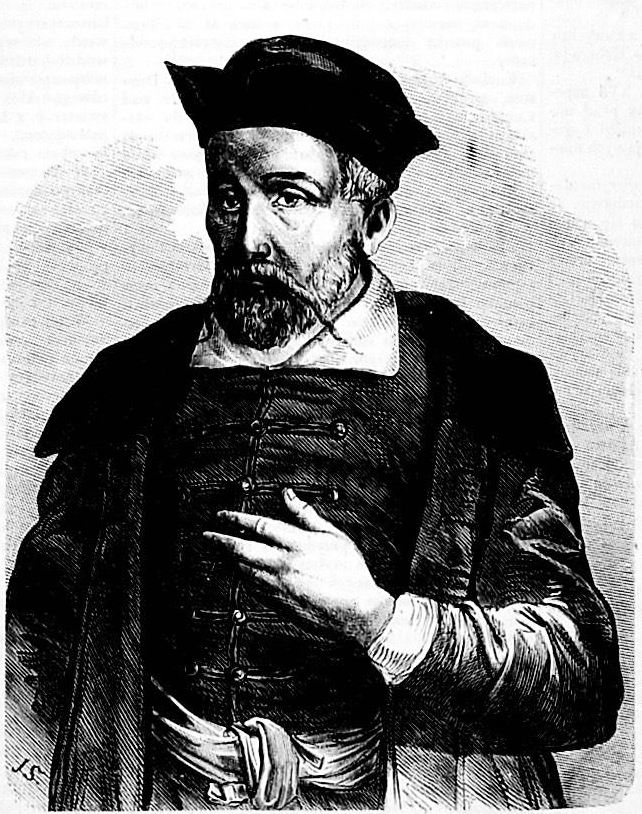

Experimental work and the "food of life"
Sendivogius carried out a range of distillations and preparations that aimed to isolate and purify substances. He described methods to purify salts and produce strong acids from mineral materials, and recorded the preparation and behavior of various compounds. In some of his most discussed passages he reported heating saltpetre (commonly called potassium nitrate) and noticing a gas released in the process. He referred to that gaseous product as a vital principle or "food of life" present in air, anticipating the notion that air contains an active component essential to combustion and respiration. Modern readers often connect his description with the element oxygen, though he did not isolate the element in the modern chemical sense.
Contributions and significance
- Systematic description of laboratory operations used in distillation, sublimation and extraction of mineral and botanical materials.
- Practical recipes for preparing acids and purifying salts that were used in medicine and metallurgy.
- Early recognition that heating certain nitrates releases a gaseous product that interacts with air and supports life processes.
- Writings that blended alchemical symbolism with empirical observations, influencing both practitioners and later chemical thinkers.
Sendivogius published these ideas in works circulated in Latin and in vernacular languages, where he combined concrete laboratory instructions with philosophical interpretation. His style reflects the transitional era between medieval alchemy and nascent modern chemistry: experiments were reported, but theoretical language remained tied to classical and hermetic traditions.
Historians of science treat Sendivogius as an important experimentalist whose observations prefigured later discoveries about gases. However, they also caution that terms like "food of life" were framed within alchemical concepts rather than modern atomic theory. The formal isolation and characterization of oxygen as an element is conventionally dated to the work of 18th-century chemists, but Sendivogius's reports are widely cited as an early recognition that air contains an active, life-supporting component.
Today Sendivogius is remembered for bridging practical laboratory skill and speculative natural philosophy, and for contributing to the empirical foundation from which modern chemistry developed. His texts remain of interest to historians studying the emergence of experimental methods and the changing language used to describe substances, processes and the constituents of air.
Questions and answers
Q: Who was Michael Sendivogius?
A: Michael Sendivogius was a Polish alchemist, philosopher, and medical doctor.
Q: What is he famous for?
A: He is famous for being the first to purify certain compounds and create certain acids. He was also the first to work out that a certain gas was given off when heating potassium nitrate.
Q: What gas did he identify?
A: He identified oxygen as the gas given off when heating potassium nitrate.
Q: What did he call this gas?
A: He called it the "food of life".
Q: Where did he discover this gas?
A: He discovered it in air.
Q: When was Michael Sendivogius born?
A: Michael Sendivogius was born on 2 February 1566.
Author
AlegsaOnline.com Michael Sendivogius Leandro Alegsa
URL: https://en.alegsaonline.com/art/126814